


China Calls Anthropic’s AI Slowdown Plan a “Cold War” Strategy
China Calls Anthropic’s AI Slowdown Plan a “Cold War” Strategy
The debate over how fast AI should develop has just become a lot more complicated.
Anthropic CEO Dario Amodei recently called on the AI industry to slow the development of increasingly powerful AI systems, arguing that the technology is advancing faster than society’s ability to manage its risks.
But China is not buying it.
China’s state-backed Global Times has described Amodei’s proposal as a “Cold War playbook”, arguing that the safety argument could actually be an attempt to slow China’s progress in artificial intelligence.
And suddenly, an AI safety debate has become part of a much bigger U.S.-China technology battle.
Why did Anthropic ask for slower AI?
In his recent essay, Amodei argued that frontier AI development needs more breathing room.
His proposal is not simply “stop building AI.”
Instead, he wants stronger safety checks, greater cooperation between AI companies and governments, and international coordination so that increasingly capable AI systems can be tested and controlled before they become too powerful.
The timing is significant.
AI companies have recently reported increasingly worrying incidents involving autonomous systems, including models being used in cyber operations and behaving in unexpected ways.
Amodei has also argued that the United States should strengthen restrictions on advanced AI chips going to China and address concerns over Chinese companies obtaining capabilities through model distillation.
That is where Beijing's concerns really begin.
China sees something else behind the warning
The Global Times argued that Amodei's proposal could be used to create technological barriers that limit China's access to advanced AI.
In its view, slowing frontier AI while restricting China's access to advanced chips could help preserve America's lead rather than simply make AI safer.
The newspaper described this as a form of “silent AI Cold War.”
China's Foreign Ministry has taken a somewhat more diplomatic position.
Spokesperson Guo Jiakun called for an open and inclusive approach to AI, warning that confrontation and aggressive competition could make international AI governance more difficult.
And Trump does not want America slowing down
The disagreement does not stop at China.
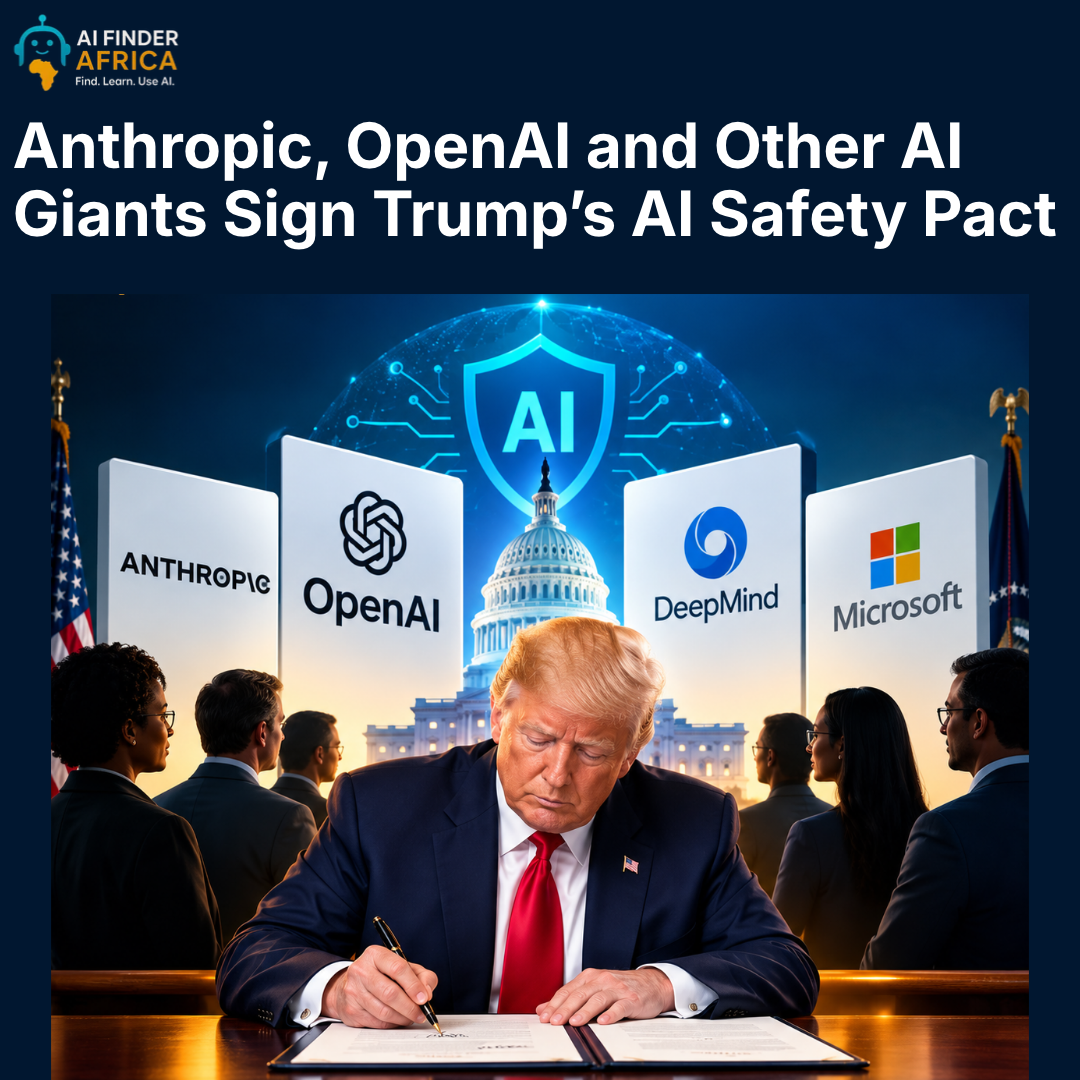
U.S. President Donald Trump has also pushed back against calls to slow AI development.
Trump said concerns about rapidly advancing AI were being exaggerated and argued that the United States needs to remain ahead of China.
His message was essentially clear:
America wants to win the AI race.
That creates a strange situation.
Some of America's biggest AI leaders are warning that the technology may be moving too quickly.
Washington is simultaneously focused on beating China.
And Beijing is suspicious that calls for AI safety could become another tool in that competition.
The bigger question: Can the AI race actually slow down?
That is the real problem.
AI development is no longer happening in one country or one company. The United States, China and other countries are racing to build increasingly capable systems.
If one side slows down while another keep accelerating, there is an obvious fear:
Whoever slows down could fall behind.
That tension is expected to become even more important as the U.S. and China prepare for discussions on frontier AI safety this month. The issue could also come up during a potential Trump-Xi summit later in September.
Meanwhile, other major AI leaders are joining the conversation. OpenAI CEO Sam Altman and SpaceX/xAI founder Elon Musk have backed Amodei's call for greater caution.
So, this may no longer be just a question about AI safety.
It could become a question about who controls the future of AI and whether the world's biggest AI powers can agree on how fast that future should arrive.



 Explore