

OpenAI Is Changing Online Advertising With New Business Tools in ChatGPT
OpenAI Is Changing Online Advertising With New Business Tools in ChatGPT
Advertising has always been about reaching people at the right moment.
Google helps brands reach people searching for something. Instagram and TikTok put products in front of users as they scroll. But AI is introducing a different kind of opportunity: reaching people while they are actively discussing what they need, comparing options, and deciding what to buy.
OpenAI wants businesses to become part of that experience.
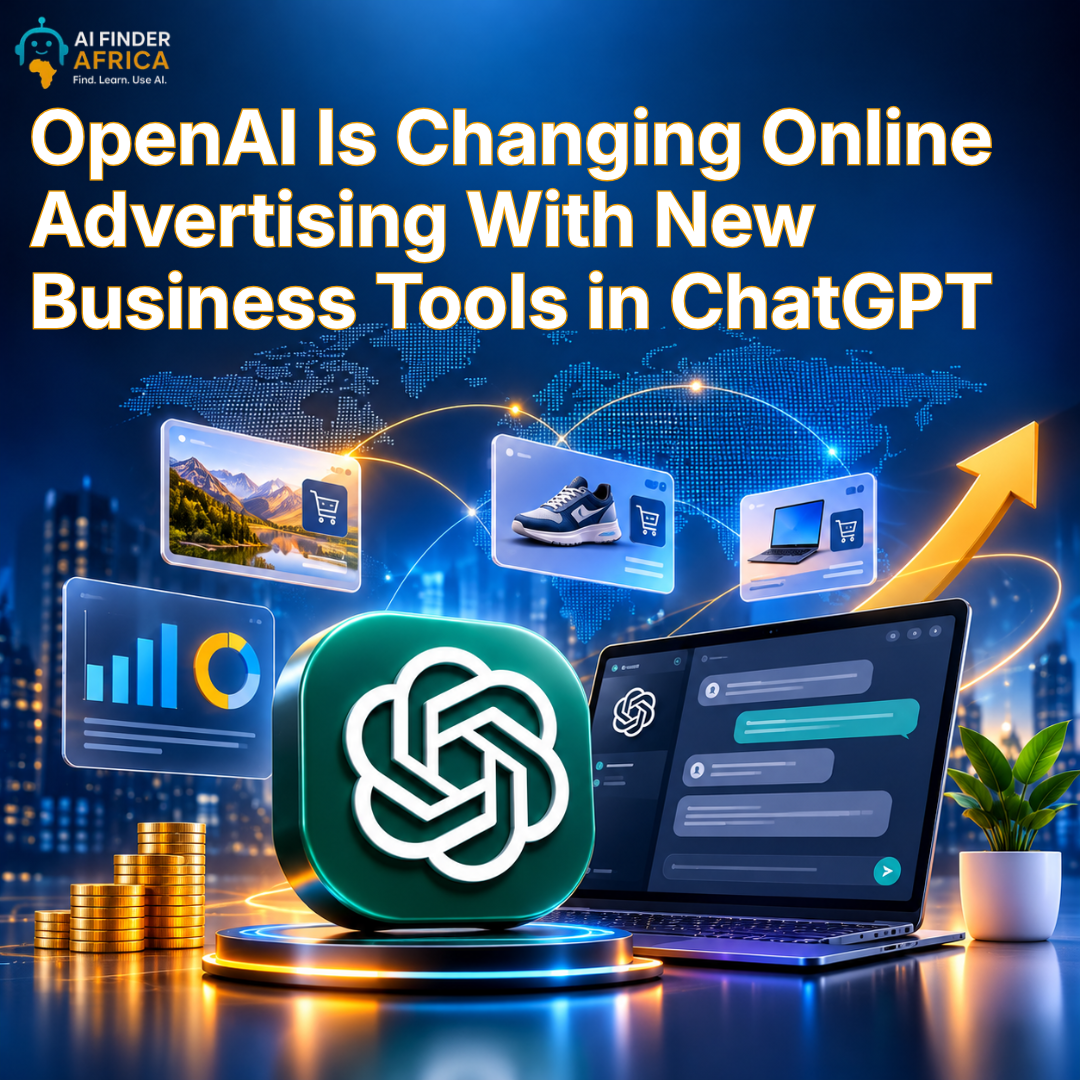
On November 11, 2026, the company introduced Businesses in ChatGPT, a new set of tools designed to help businesses manage their presence, understand how customers discover them, and interact with potential buyers through AI-powered business agents.
This is more than another advertising placement.
OpenAI is building an environment where businesses can be discovered through ChatGPT, provide accurate information about their products and services, and even use their own AI agents to answer customer questions.
For marketers and business owners, this could open an entirely new way to attract customers.
ChatGPT Is Becoming a Place Where Customers Discover Businesses
Think about how people normally shop online. Someone looking for a laptop might visit Google, open several websites, compare specifications, check reviews, and eventually decide where to buy.
With ChatGPT, much of that research can happen inside one conversation.
A user can explain what they need, mention their budget, ask for recommendations, and compare different options without jumping between multiple websites. That creates an interesting opportunity for businesses.
Instead of relying only on traditional search results or social media placements, companies can now build a presence in the environment where customers are already exploring their options.
OpenAI says ChatGPT is used by approximately 1.2 billion people every week. Its goal is to make it easier for businesses to connect with people during these decision-making moments.
And it is introducing several tools to make that possible.
1. Businesses Can Claim Their Profiles on ChatGPT
Through a new platform called Business Hub, companies can claim and verify their presence on ChatGPT. They can update business information and provide product details, including prices and availability. Shopify merchants can also connect their stores.
This matters because people increasingly use ChatGPT to research products, compare services, and find recommendations.
Businesses can now have more control over the information customers discover about them.
2. Businesses Can See How Customers Discover Them
Business Hub also provides insights into how people engage with businesses on ChatGPT.
Companies can see metrics such as mentions and website clicks, alongside common topics connected to conversations where their websites are cited. For example, a fashion brand might discover that people find its website while searching for affordable workwear.
These insights could help marketers understand what potential customers are interested in and improve how their businesses appear online.
OpenAI says the information is aggregated. Businesses do not receive access to individual users' private conversations.
3. Meet Business Agents: AI Assistants That Represent Brands
This is perhaps the most interesting part.
Eligible businesses can create Business Agents that answer customer questions and help people explore their products or services. For example, someone comparing two laptops could ask a company's Business Agent about their features, prices, and differences.
Instead of leaving ChatGPT immediately to search through a website, the customer can have a conversation with the business's AI assistant.
Businesses can also sponsor these agents and use them as destinations for ChatGPT Ads.
That means an advertisement could lead to an interactive conversation rather than just a website visit.
What This Means for Digital Marketers
This development introduces another way to attract and engage potential customers.
Marketers may need to think beyond traditional search rankings, social media visibility and ad clicks. They will also need to consider how their brands appear when people use AI to make purchasing decisions.
It does not mean Google Ads or Meta Ads are becoming irrelevant. Instead, ChatGPT is creating another environment where businesses can reach customers.
There is one important limitation: Business Agents are initially available to eligible ecommerce and online service businesses in the United States. Business Hub profile claiming is available to eligible businesses in markets where ChatGPT operates.
Is ChatGPT Advertising Available Everywhere?
OpenAI has been expanding ChatGPT Ads beyond its initial US testing market.
In October 2026, the company announced an expansion into 26 additional countries, bringing advertising availability to 89 countries. Nigeria was among the markets included in that expansion.
However, it is important to distinguish between the availability of ChatGPT Ads and the availability of Business Agents.
Businesses in eligible markets can explore claiming their presence through Business Hub, while the initial Business Agent rollout is limited to eligible ecommerce and online service businesses in the United States.
OpenAI also says advertisements appear only on the Free and Go plans. Plus, Pro and Enterprise subscriptions remain ad-free.
The company maintains that advertising does not influence ChatGPT's independent answers and that user conversations are not shared with advertisers.



 Explore