


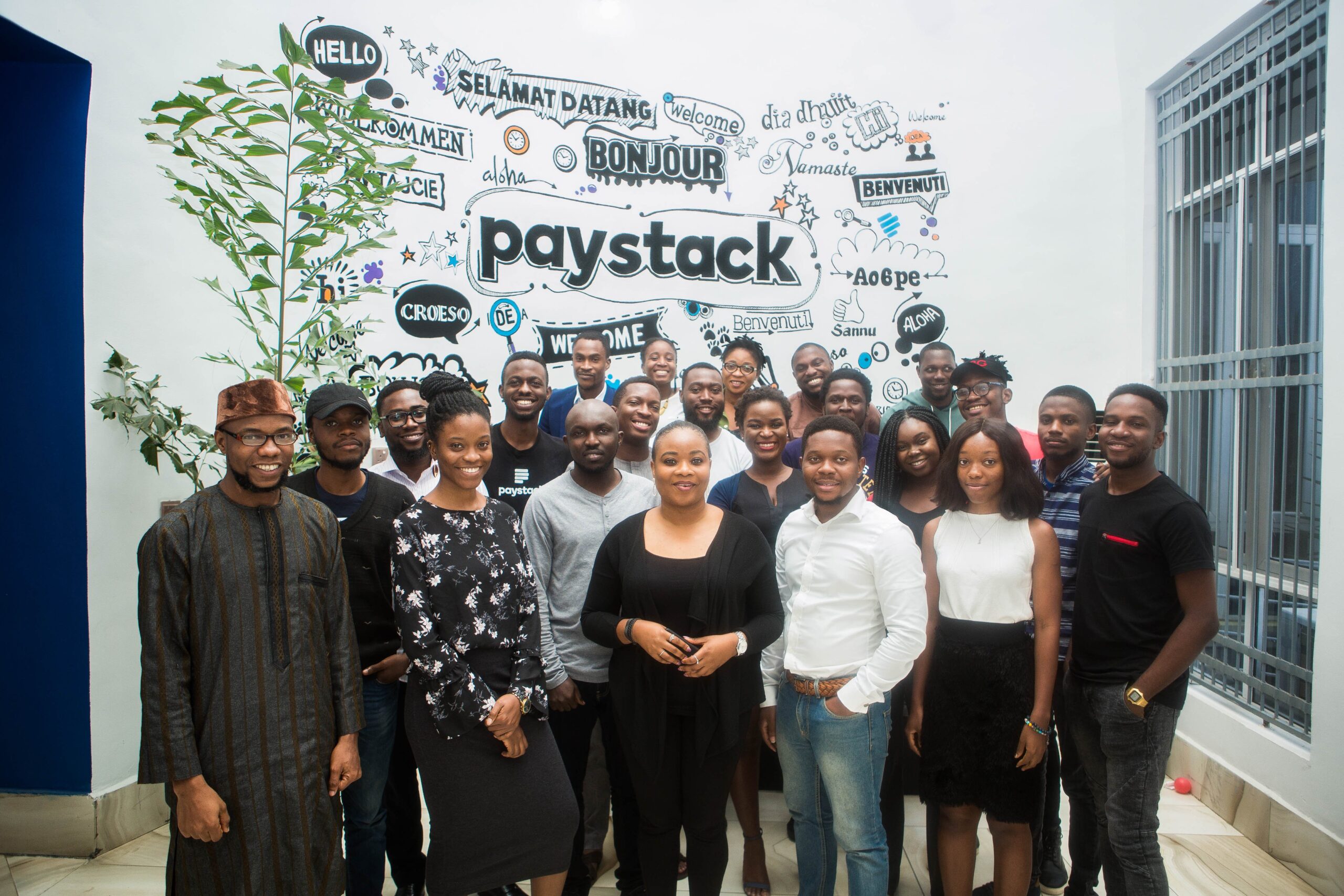
Paystack Is No Longer Just a Payments Company, It’s Now a Bank
Ten years ago Paystack had a simple mission fix online payments in Nigeria. At the time failed card transactions and unreliable payment gateways were holding businesses back.
Paystack solved that problem and became one of Africa’s most trusted fintech brands.
Now the Stripe owned company is entering a new era.
With the acquisition of a microfinance bank Paystack has secured a banking license in Nigeria signaling a major shift from being a payments processor to becoming full financial infrastructure.
From Payments to Banking Infrastructure
For years Paystack moved money but did not hold it. Customer funds lived in partner banks. With its new microfinance bank license Paystack can now
Hold customer deposits directly
Offer credit and working capital loans to businesses
Provide Banking as a Service to developers and fintech startups
This changes Paystack’s role in Nigeria’s fintech ecosystem. It is no longer just a payment gateway it is becoming the system underneath modern digital banking.
Why Paystack Is Making This Move Now
The timing is not accidental. Bank transfers have become the dominant payment method in Nigeria. In recent years transfers overtook cards as the primary way Nigerians move money online.
By owning a bank Paystack can control where these transfers originate not just where they pass through.
Its consumer product Zap reflects this strategy fast simple transfers designed for everyday use.
The Competition Problem
Nigeria’s consumer fintech market is crowded.
Super apps like OPay PalmPay and Moniepoint already serve tens of millions of users supported by massive agent networks and offline distribution.
Paystack is entering late with a different strategy. Instead of street level expansion it is betting on trust product simplicity and deep integration with businesses and developers.
What This Means for Stripe and African Fintech
For Stripe Paystack’s banking license creates a stronger foothold in Africa’s largest economy.
It reduces dependence on partner banks and enables a more vertically integrated fintech stack similar to Stripe’s banking products in the United States.
For Nigeria’s fintech industry this move further blurs the line between fintech companies and traditional banks.
The Bottom Line
Paystack’s story has changed.
It is no longer just fixing payments in Nigeria it is positioning itself as a foundational financial platform.
Whether Paystack can turn its B2B credibility into mass consumer adoption remains the key question.
In a market where scale often beats elegance the next chapter will define its place in Nigeria’s fintech future.




 Explore