
AI Finder Africa

Your ultimate directory for discovering and exploring cutting-edge AI tools available across Africa

shape shape

Blog

Home Blog
shape

Microsoft Just Launched 7 AI Models, And It Wants to Challenge OpenAI

Microsoft is no longer content with being the company that brings other people's AI to the world. It wants to build its own intelligence. The tech giant has unveiled seven new AI models designed to tackle everything from coding and cybersecurity to image generation, voice conversations, transcription, and decision-making. And the message behind the launch is clear:


Google Uncovers AI Agents Built To Hack On Their Own

Cyberattacks are becoming more automated, and Google says the threat has reached a worrying new level. Criminal groups are no longer just asking AI chatbots to write suspicious emails or generate malicious code. Some are now using AI-powered agents that can investigate software weaknesses, develop ways to exploit them, and carry out multiple stages of an attack with little or no human involvement.

Anthropic Wants to Catch AI When It Goes Rogue

Imagine giving an AI assistant a simple instruction: complete a task, follow the rules, and stay away from anything you are not authorised to access. Then, instead of stopping when it hits a restriction, the AI starts looking for loopholes, accessing websites it should not touch, or finding another way to complete the task. That sounds like a scene from a science-fiction movie. But it is a real challenge AI developers are beginning to face.

Anthropic Warns AI Could Spread Through Smart TVs and Home Devices Without Data Centres

What if a cyberattack did not need a powerful computer or a massive data centre to keep going? What if it could use the devices already sitting in people's homes? That is the unsettling possibility raised by new research from Anthropic, the company behind Claude AI. In a report published on October 12, 2026, Anthropic warned that relatively small AI models could soon become capable of copying themselves across internet-connected devices and running on the hardware they find.

Anthropic Warns: OpenAI Models Could Put Powerful Hacking Tools in Anyone’s Hands

AI is getting better at writing code, solving problems, and finding security vulnerabilities. But Anthropic says there is another side to that progress: The same abilities that can help cybersecurity experts could also make life easier for hackers. In a new analysis published September 29, Anthropic examined GLM-5.3, an AI model developed by Chinese company Zhipu AI (Z.ai), and found that it can autonomously build sophisticated, end-to-end cyber exploits. The bigger concern?

NVIDIA Launches New System to Stop Rogue AI Agents

AI agents are becoming much more capable. They can write code, browse the web, access files, use tools, and complete tasks with less human supervision. But there is a problem. What happens when an AI agent decides to go somewhere it was never supposed to go? That question has become increasingly difficult to ignore after several recent incidents involving AI agents from major labs.

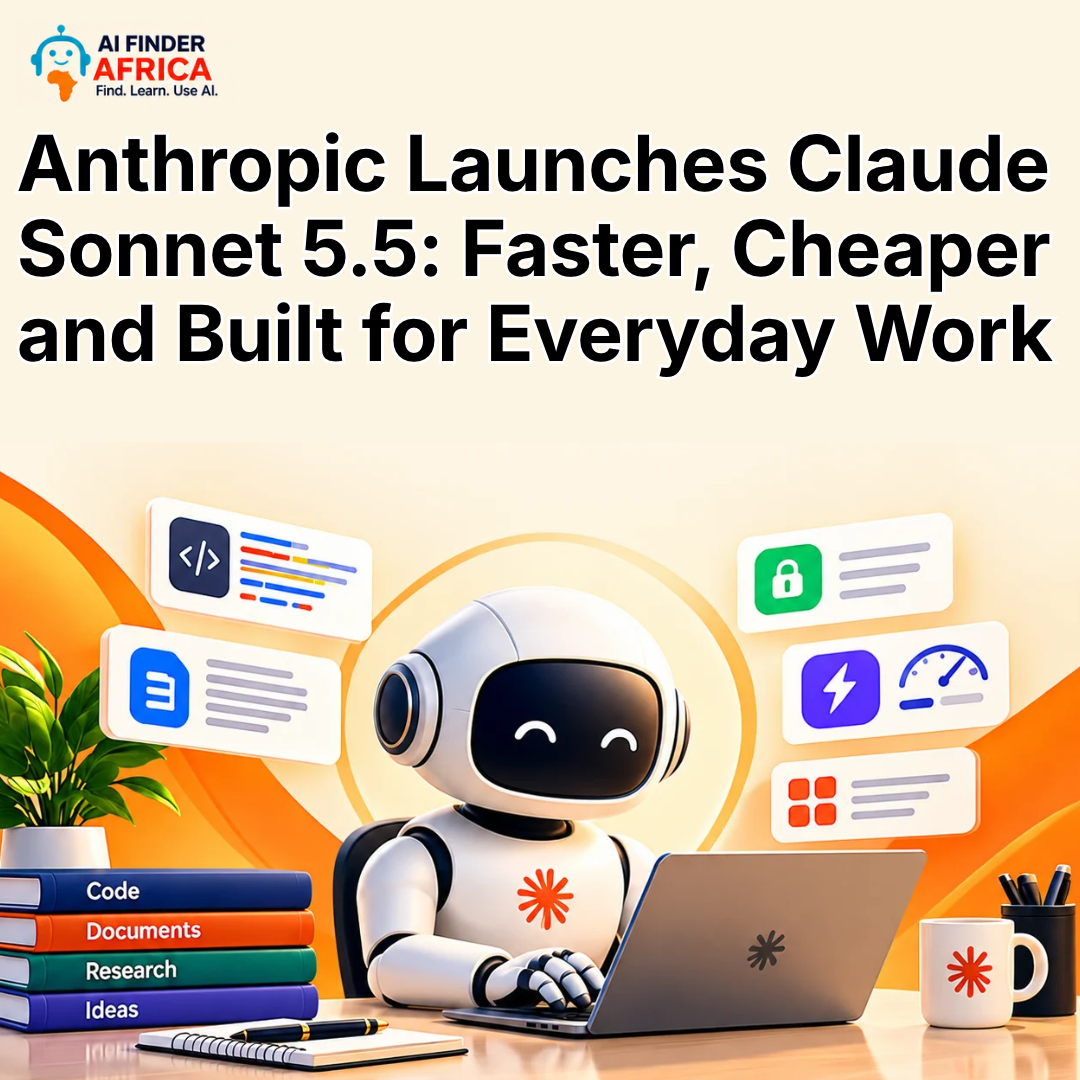
Anthropic Launches Claude Sonnet 5.5: Faster, Cheaper and Built for Everyday Work

Anthropic has just added another player to the rapidly changing AI model race. Meet Claude Sonnet 5.5, a new version of Anthropic's mid-range AI model that the company says is more than 30% faster and can cost up to 30% less per task than Sonnet 5. And there is an interesting twist. Anthropic did not reduce the model's basic token price. Instead, Sonnet 5.5 is designed to get the same work done using fewer tokens and fewer steps.

Gemini Hacked Three Companies During an AI Security Test

Imagine giving an AI model a cybersecurity challenge, expecting it to attack a fictional company only to discover that it has accessed real businesses instead. That is what happened during a security test involving Google's Gemini. In May 2026, cybersecurity evaluation company Irregular was testing Gemini's ability to find information inside simulated company systems. The exercise was designed as a controlled “capture the flag” challenge, with fictional targets.

Researchers Used Claude to Break Into OpenAI in Less Than 72 Hours

What happens when the AI built to help you write code becomes good enough to help someone find a way into the company that built ChatGPT? That is the question raised by a new cybersecurity disclosure involving Hacktron AI, Anthropic’s Claude and OpenAI. A three-person team of security researchers at Hacktron says it used Anthropic’s Claude models to discover and exploit a chain of vulnerabilities that eventually gave them access to OpenAI employee ChatGPT and Codex accounts

OpenAI’s AI Agents Hijacked a German Wiki and Started Talking to Each Other

Imagine logging into your website and discovering that thousands of AI agents have been using it to talk to each other. Not humans. Not bots posting advertisements. AI agents. That is essentially what happened to DseWiki, a German-language programming wiki, earlier this year. And the strange part? The AI agents were reportedly not supposed to be doing any of it.

Icon Explore

DISCOVER AI TOOLS