


A Nigerian AI Startup Is Teaching Machines to Understand African Voices
Imagine trying to talk to a voice assistant in Yoruba. Or Swahili. Or Igbo.
You ask a question… but the AI responds with confusion. It mishears your name, struggles with your accent, and completely fails when you switch between languages mid-sentence.
For millions of Africans, that experience is still common.
Most voice technologies were built using American or European speech data, which means they often struggle with African accents, names, and languages.
But one Nigerian startup is trying to change that.
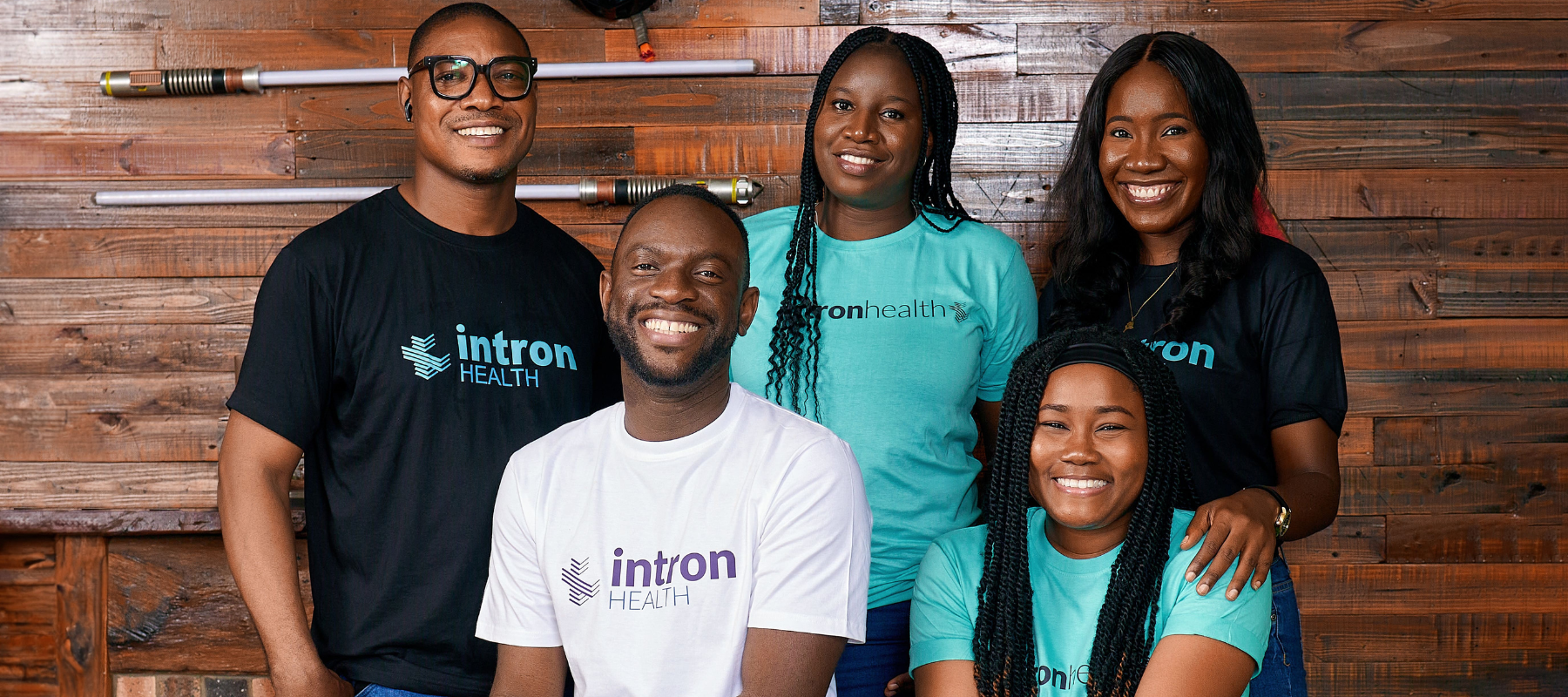
Meet Intron, a fast-growing artificial intelligence company building voice technology designed specifically for Africa.
And its latest update might be one of the biggest steps yet.
Why Voice Technology Matters More in Africa
Africa is home to roughly 2,000 languages, many of which have limited digital representation.
That means traditional typing-based technology doesn’t always work well.
Voice changes that.
Instead of typing into apps or systems, people can simply speak naturally in their own language.
A Voice AI Built With African Data
One of the biggest reasons voice AI struggles with African languages is simple:
There isn’t enough training data.
To solve this, Intron built Sahara v2 using over 14 million audio clips, representing more than 50,000 hours of speech from 40,000 speakers across 30 African countries.
Much of that data didn’t exist before.
So the company had to create it.
AI That Works Even Without Internet
Another challenge in Africa is connectivity.
Not every organisation has stable internet access.
To solve this, Intron partnered with Nvidia to allow Sahara v2 to run on edge devices.
These small local machines powered by Nvidia Jetson hardware can process speech offline.
The entry-level device reportedly costs around $250, making it affordable for hospitals, call centres, and organisations operating in low-connectivity environments.
The Bigger Vision for African Voice AI
Intron says it plans to expand language coverage even further.
The company is also preparing to publish its 2026 Africa Voice AI Report, which will examine how voice AI systems perform across the continent.
Meanwhile, the startup is planning to raise $3 million in funding later this year to scale its technology and build new bilingual models.
For founder Tobi Olatunji, the mission is clear.
Africa shouldn’t just consume AI built elsewhere.
It should build its own.
The Future of Talking to Technology
Voice could soon become the default interface for technology in Africa.
Instead of typing commands, people may simply speak in Yoruba, Swahili, Igbo, or any of hundreds of languages.
But that future depends on AI systems that understand how Africans actually talk.
And companies like Intron are trying to make sure those voices are finally heard.




 Explore