

“Would You Talk to Someone You Lost?" The Chinese AI That’s Bringing Memories Back to Life
It starts like something out of a sci-fi movie… but it’s real.
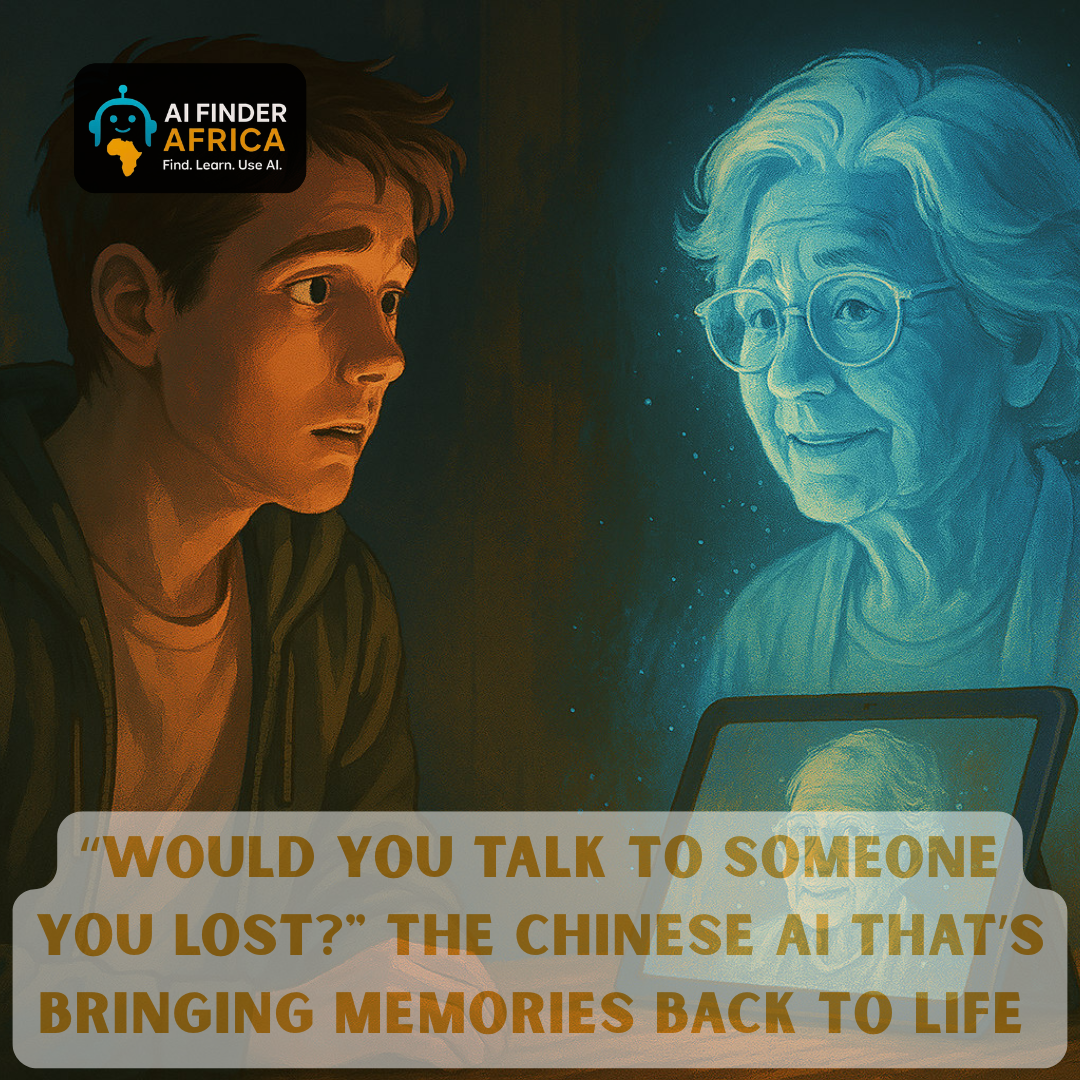
Imagine holding a small device in your hand. Inside it?
A moving, talking version of someone you lost. They speak. They respond. They feel familiar.
That’s exactly what a Chinese AI startup is promising with Super Brain, and yes, it’s already turning heads around the world.
So… What Exactly Is Super Brain?
Super Brain is an AI-powered system designed to create interactive digital avatars of people who have passed away.
But this isn’t just a static photo or a prerecorded video. Here’s what it actually does:
- Uses photos to recreate a person’s appearance
- Analyses voice recordings to mimic how they spoke
- Processes chat history and messages to learn personality and tone
- Generates a responsive avatar that can hold simple conversations
The result? A digital version of someone that looks, sounds, and even communicates like them.
How It Works (In Simple Terms)
Think of it as combining three powerful AI technologies:
- Voice cloning → recreates how someone sounds
- Generative AI → produces responses based on past behaviour
- 3D/visual modelling → brings the person to life visually
All of this is packed into a small interactive format, like the device shown in the image.
Who Is This For?
At first glance, it might feel like this is only for grieving families—but it goes deeper.
People who might use it include:
- Individuals coping with loss and grief
- Families wanting to preserve memories of loved ones
- Tech enthusiasts curious about digital legacy
- Storytellers or historians recreating voices from the past
Why People Are Talking About It
This isn’t just another AI tool, it is an emotional one. Here’s why it’s blowing up:
1. It Changes How We Remember People: Instead of photos and memories, you get something interactive.
2. It Makes AI Feel… Personal: Most AI tools help you work faster. This one connects to your emotions.
3. It’s Surprisingly Affordable: At around $3 (as reported), it lowers the barrier to something that once felt impossible.
The Big Question: Is This Comforting or Creepy?
Not everyone is convinced this is a good idea. Some people see it as: A way to heal and stay connected.
Others worry it could: Make it harder to move on from loss. Raise ethical questions about consent and identity.
And honestly… both sides have a point.
The Bigger Picture
Super Brain is part of a growing wave of what people are calling “digital afterlife” technology. We are moving into a world where: Your data doesn’t just represent you, but it can simulate you.
That’s powerful and a little unsettling.
Final Thoughts
Super Brain isn’t just an AI product. It’s a conversation starter. It forces us to ask:
- What does it mean to remember someone?
- How far should AI go in recreating humans?
- And… would you actually use it?
Because the truth is, this isn’t the future anymore.
It’s already here.


 Explore