

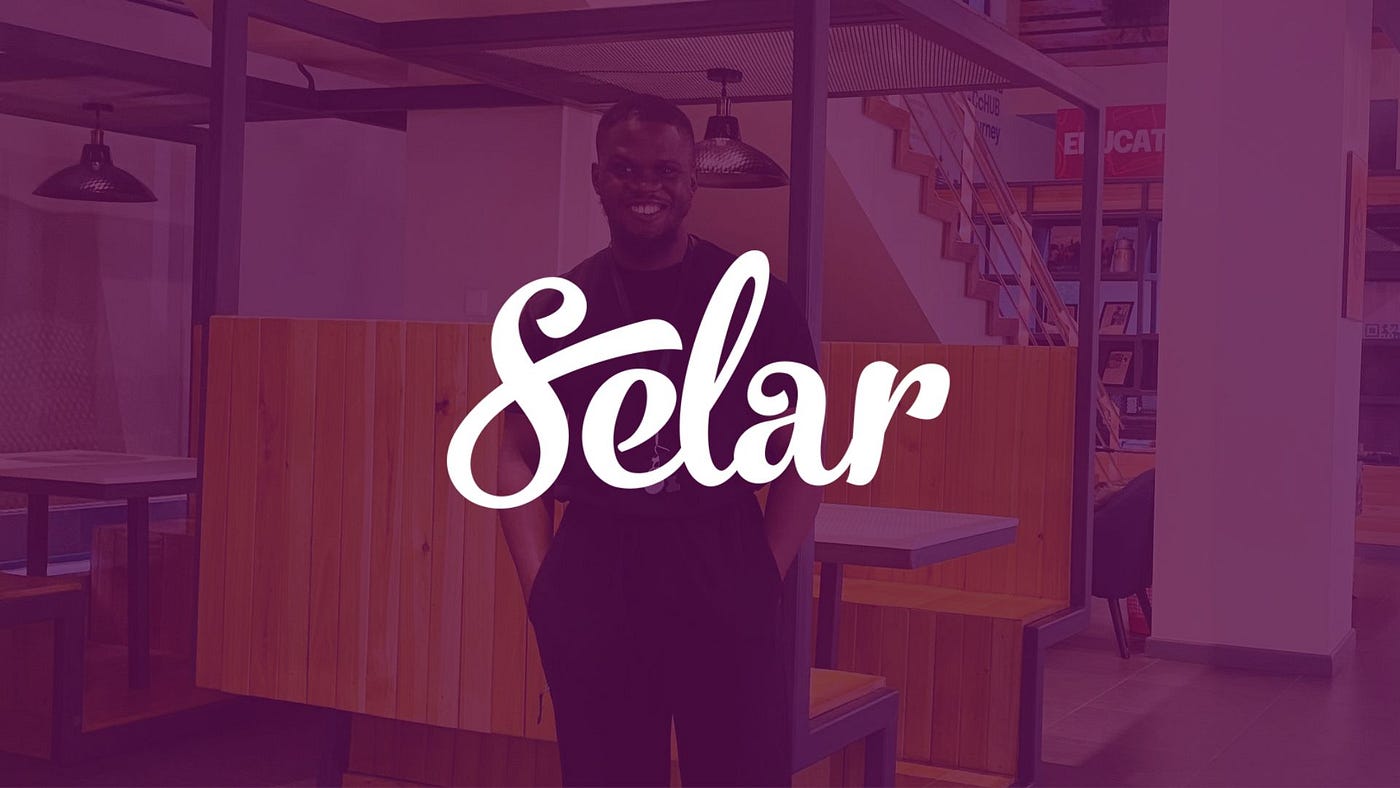
₦18 Billion Later: How Selar Quietly Became One of Africa’s Biggest Creator Economy Pay Machines
In 2016, Selar wasn’t a startup with a grand master plan to dominate Africa’s creator economy.
It was just an idea.
No pitch deck. No market thesis. No “this is how we’ll win” roadmap.
Just one simple belief from founder Douglas Kendyson:
People don’t just want to consume content sometimes; they want to support the people who create it.
Fast forward to 2025, and that belief has quietly turned into over ₦18 billion ($12.8 million) paid out to African creators using the platform in a single year.
The First Sale Didn’t Even Come from Nigeria
Here’s the plot twist most people don’t expect.
Selar’s very first user didn’t come from Lagos, Accra, or Nairobi. They came from France.
A friend of Kendyson had just released an EP and, after some convincing, listed it for sale on Selar so fans who were already listening could financially support him.
That moment unlocked something important: People were willing to pay creators not just for the product, but for the person behind it.
But right after that first win came the panic: “Where are the rest of the users going to come from?”
Because here’s what nobody tells you when you’re building a startup: Users don’t just show up because you built something.
The Dubai Shift That Changed Everything
In 2018, Kendyson moved to Dubai to work at Sarwa as a growth and software engineer.
And that’s where everything changed.
For the first time, he saw how marketing actually works when teams take it seriously.:
By 2020, he left Sarwa and returned to Selar with a completely different mindset:
It’s not enough to build something. You have to make sure people see it repeatedly.
That marked what he now describes as Selar’s rebirth.
From ₦100 Million to ₦18 Billion
That same year, Selar hit its first major milestone:
₦100 million in creator sales.
Then came the next obsession:
₦1 billion.
But growth brought something unexpected: anxiety.
Because digital products are unpredictable.
A creator can make millions from a launch this month… and nothing the next.
So Selar evolved.
The company introduced subscription plans alongside its transaction-fee model, creating a steadier revenue stream for the business and giving creators access to advanced selling tools.
Cold DMs turned into scalable outreach.
Social media became intentional.
Partnerships replaced expensive ad spend.
And the formula became simple:
Build. Improve. Distribute. Collaborate. Repeat.
Africa’s Creator Economy Is Getting Paid
Today, Selar powers thousands of creators across Africa selling:
- Online courses
- Music
- Digital downloads
- Memberships
- Coaching services
- Software
- Event tickets
And with ₦18 billion now paid out in 2025 alone, it’s becoming increasingly clear:
Africa’s creator economy isn’t just growing.
It’s monetizing.
Not through hype.
But through platforms that quietly make it easier for creators to earn from what they already know.
And if Selar’s journey proves anything, it’s this:
Sometimes the biggest startups aren’t the ones that start with a perfect plan…
They’re the ones that start by listening.


 Explore