

Anthropic Is Turning Claude Into an AI Assistant for Lawyers
Anthropic Is Turning Claude Into an AI Assistant for Lawyers
Legal work involves much more than arguing cases in court. Lawyers spend countless hours reviewing contracts, researching regulations, checking citations, managing case documents, and preparing reports. A significant amount of that work happens before a lawyer even gets to the courtroom.
Anthropic wants to change how these tasks are handled.
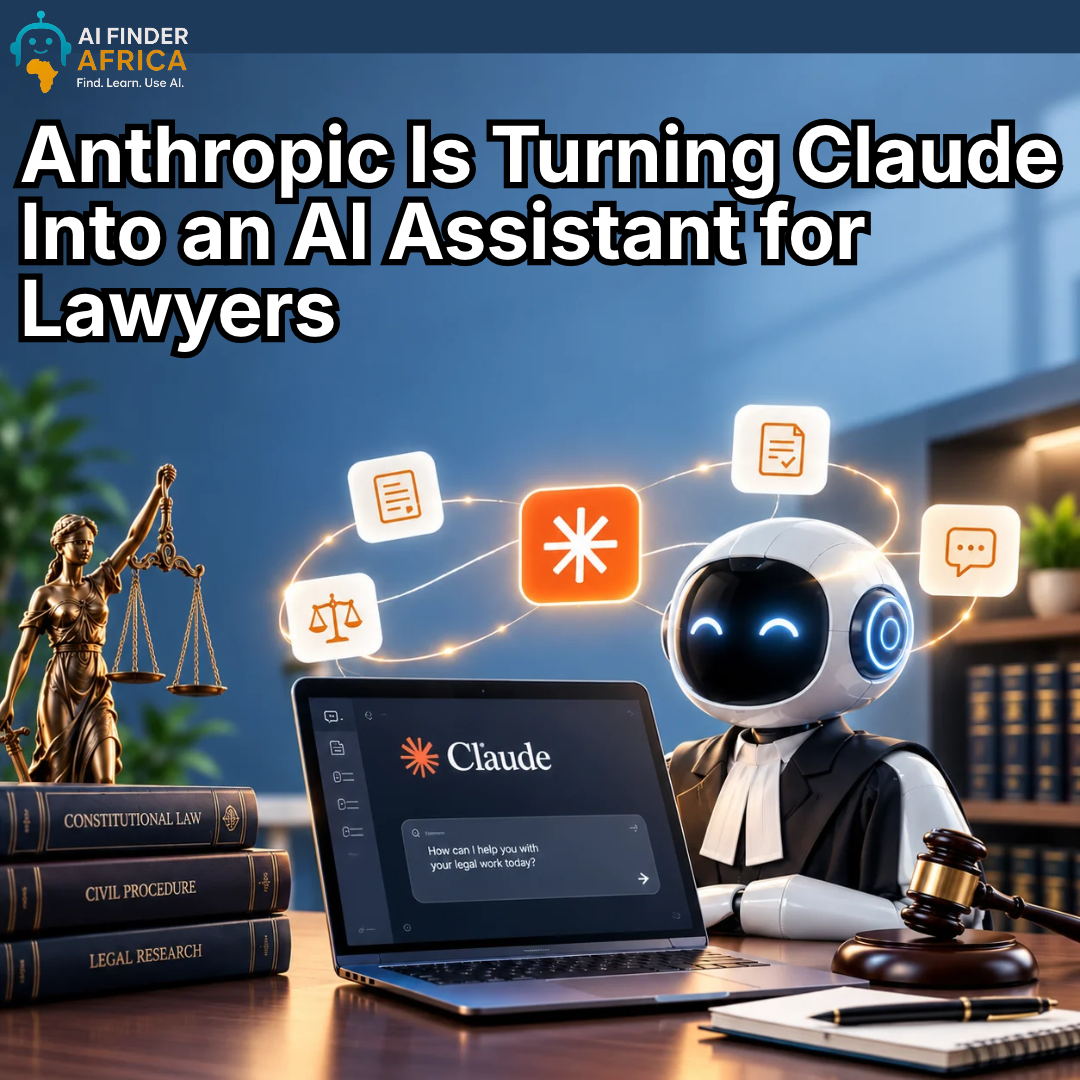
The company behind Claude is expanding its AI assistant into a more complete workspace for legal professionals. Instead of simply asking Claude questions and receiving answers, lawyers can now connect it to the software they already use and give it specialized tools for different areas of legal practice.
The move is part of Anthropic's wider push to make Claude useful for professional industries, with legal services becoming one of its biggest areas of focus.
Claude Is Getting More Than Just New Features
In May 2026, Anthropic announced a major expansion of Claude for the legal industry, introducing more than 20 new connectors and 12 specialized plugins designed around different legal tasks.
The connectors allow Claude to work with software and information systems already used by legal teams. These include tools for contract management, document storage, legal research, electronic discovery and transaction management. Some of the companies and platforms involved include DocuSign, Ironclad, Box, iManage, NetDocuments, Everlaw, Relativity and Thomson Reuters.
This means legal professionals can bring information from their existing work systems into Claude without constantly switching between different applications or manually copying documents into a chatbot.
Anthropic also designed Claude to work across Microsoft Word, Outlook, Excel, and PowerPoint, allowing it to carry relevant context between applications.
For example, a lawyer could review a contract in Word, prepare an email explaining the changes in Outlook, create a closing checklist in Excel and put together a summary presentation in PowerPoint.
Rather than treating each task as a separate conversation, Claude can help connect the different stages of the workflow.
Different Legal Jobs Now Have Their Own AI Tools
One of the more interesting parts of the announcement is that Anthropic is not treating all legal work as the same thing. The 12 plugins are designed around specific legal responsibilities.
For example:
Commercial Legal: Helps review vendor agreements and non-disclosure agreements against a company's approved terms.
Corporate Legal: Supports mergers and acquisitions, due diligence, and board documentation.
Employment Legal: Assists with employment policies, hiring matters, and workplace investigations.
Privacy Legal: Helps review data protection agreements and prepare responses to privacy-related requests.
Litigation Legal: Supports case organization, legal holds, document review, and preparation of legal briefs.
Regulatory Legal: Tracks regulatory developments and helps identify changes that could affect an organization.
AI Governance Legal: Helps assess AI-related risks and review the terms of AI vendors.
There are also tools designed for law students and legal clinics.
Each plugin can be configured around a legal team's preferred writing style, internal policies, approved documents, and review procedures. This is important because two law firms may handle the same type of case differently.
The aim is to make Claude's assistance more relevant to the actual way a legal team works, rather than giving everyone the same generic answers.
Anthropic Is Also Bringing AI Into Legal Research
Legal research is another area receiving attention. A lawyer researching a case needs more than a convincing explanation. They need reliable sources, accurate citations, and information that can be checked.
Anthropic's connectors include access to legal research resources such as CourtListener, Midpage, Trellis and Thomson Reuters' CoCounsel Legal.
These integrations can help professionals locate relevant cases, examine court decisions, review legal documents and connect research findings to their work. The company is also working with organizations such as Free Law Project and Courtroom5 to explore how AI tools could make legal information and assistance more accessible.
This could be particularly valuable for people who cannot easily afford traditional legal services, including individuals handling certain civil matters without a lawyer.
However, access to legal information is not the same as receiving qualified legal representation. AI-generated research and documents still need appropriate professional review.
The Latest Update: Claude Is Getting Interactive Legal Tools
Anthropic has continued expanding its legal offering.
On October 28, 2026, the company introduced additional interactive tools called legal artifacts. These are designed to help lawyers handle recurring tasks through visual, reusable workspaces rather than relying entirely on ordinary chat conversations.
Some examples include tools for checking legal citations, tracking case deadlines, comparing contract clauses against approved company terms, and mapping differences between laws across jurisdictions.
One example is an Obligations Checker developed with law firm Foley & Lardner. Another is an AI Governance Benchmark created with Goodwin. Legal teams can adapt these tools to their own documents and workflows, making them more useful for specific cases and organizational requirements.
Anthropic says the artifacts retain the permissions and safeguards already established by organizations. It is also working with law schools and public-interest organizations to explore how similar tools could support access to justice.
This latest development shows that Anthropic is not simply adding legal knowledge to Claude. It is building tools around the actual processes lawyers carry out every day.
Could Claude Change the Legal Technology Industry?
The expansion places Anthropic in a more direct position within the legal technology market.
For years, specialized legal technology companies have built products to help lawyers research cases, review contracts, and manage complex legal processes.
Now, a major AI company is bringing many of those capabilities into a connected workspace.
That creates new opportunities, but also raises questions about competition. Some legal technology providers may find themselves competing with features built directly into Claude, even as others continue partnering with Anthropic.
Still, legal work comes with serious responsibilities. A mistake in a contract, an incorrect citation or a missed deadline can have significant consequences.
AI can help reduce repetitive work, organize information and speed up research, but it cannot replace a lawyer's professional judgment, accountability or understanding of a client's circumstances.



 Explore