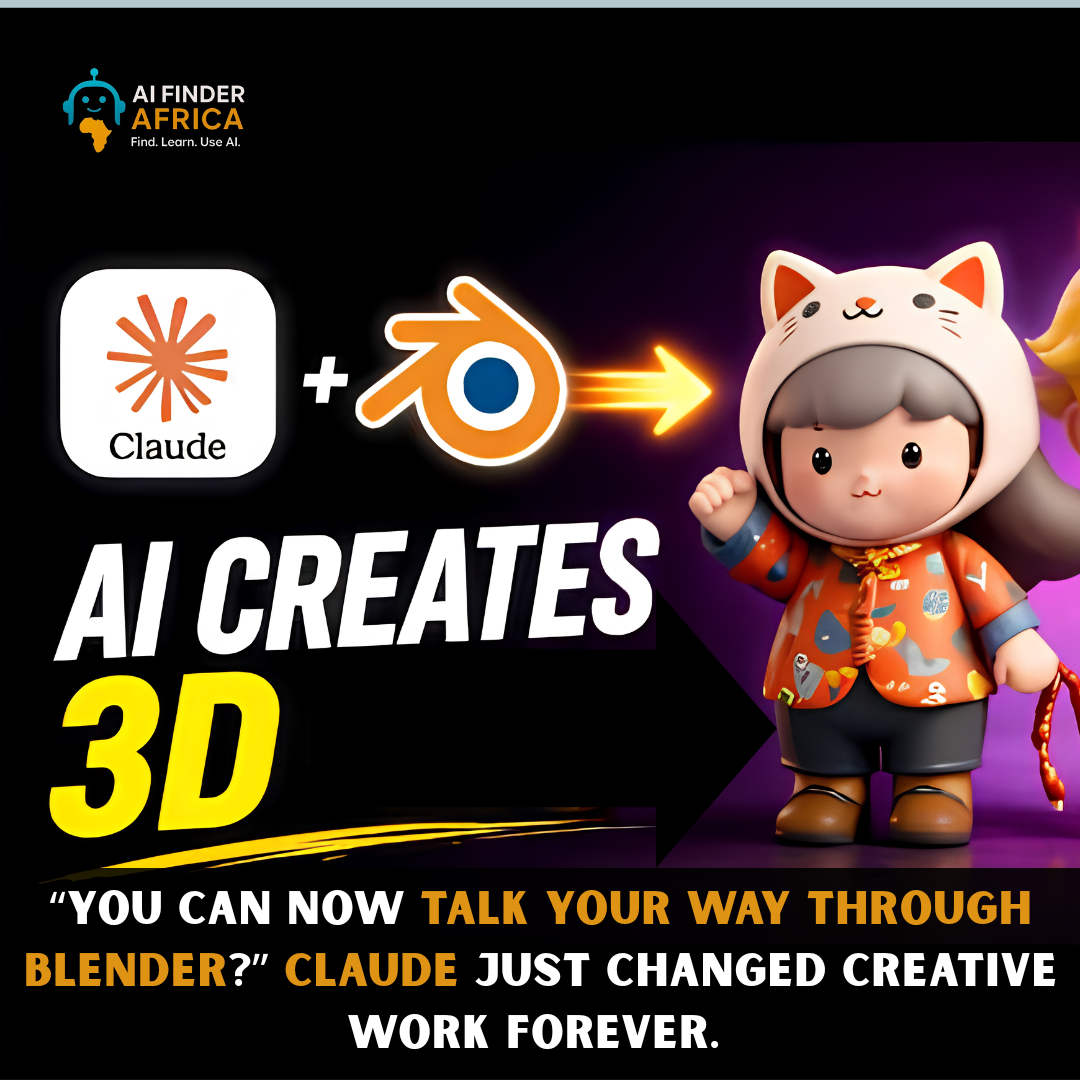
“You Can Now Talk Your Way Through Blender?” Claude Just Changed Creative Work Forever.
It used to be simple. If you wanted to design a 3D scene, edit a video, or build something in Blender, you needed skill, time, and a lot of patience. Now?
Most AI tools today feel like assistants. You ask. They answer. Done. But what if an AI didn’t stop there?
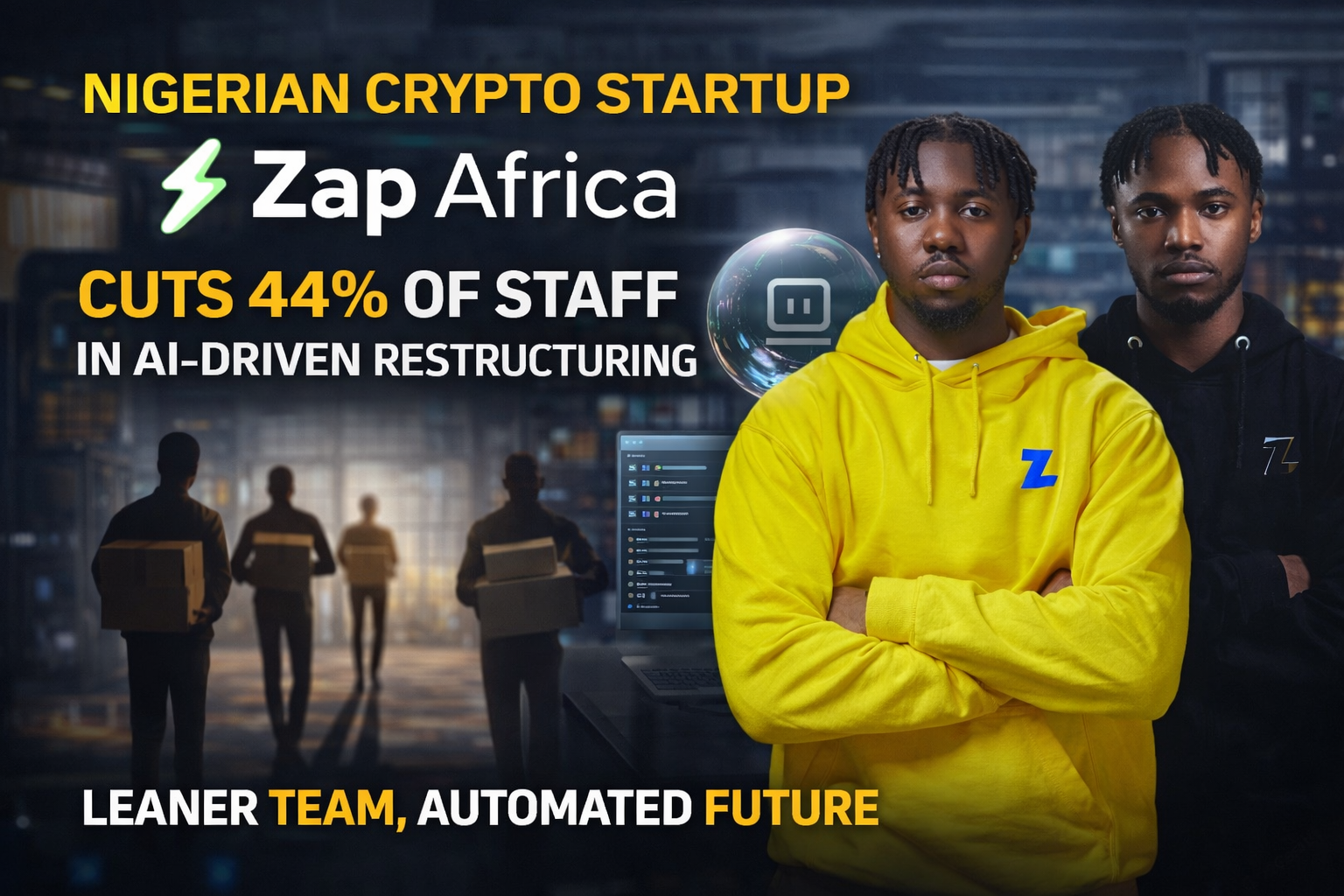
When a young startup slashes nearly half its workforce, it’s not just a staffing update; it is a statement. Nigerian cryptocurrency company Zap Africa has cut 44% of its staff, reducing its team from 18 employees to 10, as part of what it describes as an AI-led restructuring. The message from leadership is clear: automation isn’t coming; it is already here.
For years, working online has followed the same exhausting ritual: Open a tab → Search for something → Open another tab → Copy information → Paste it somewhere else → Summarise it manually → Switch tools → Repeat Now imagine if your browser didn’t just show you information but could actually complete the task for you.
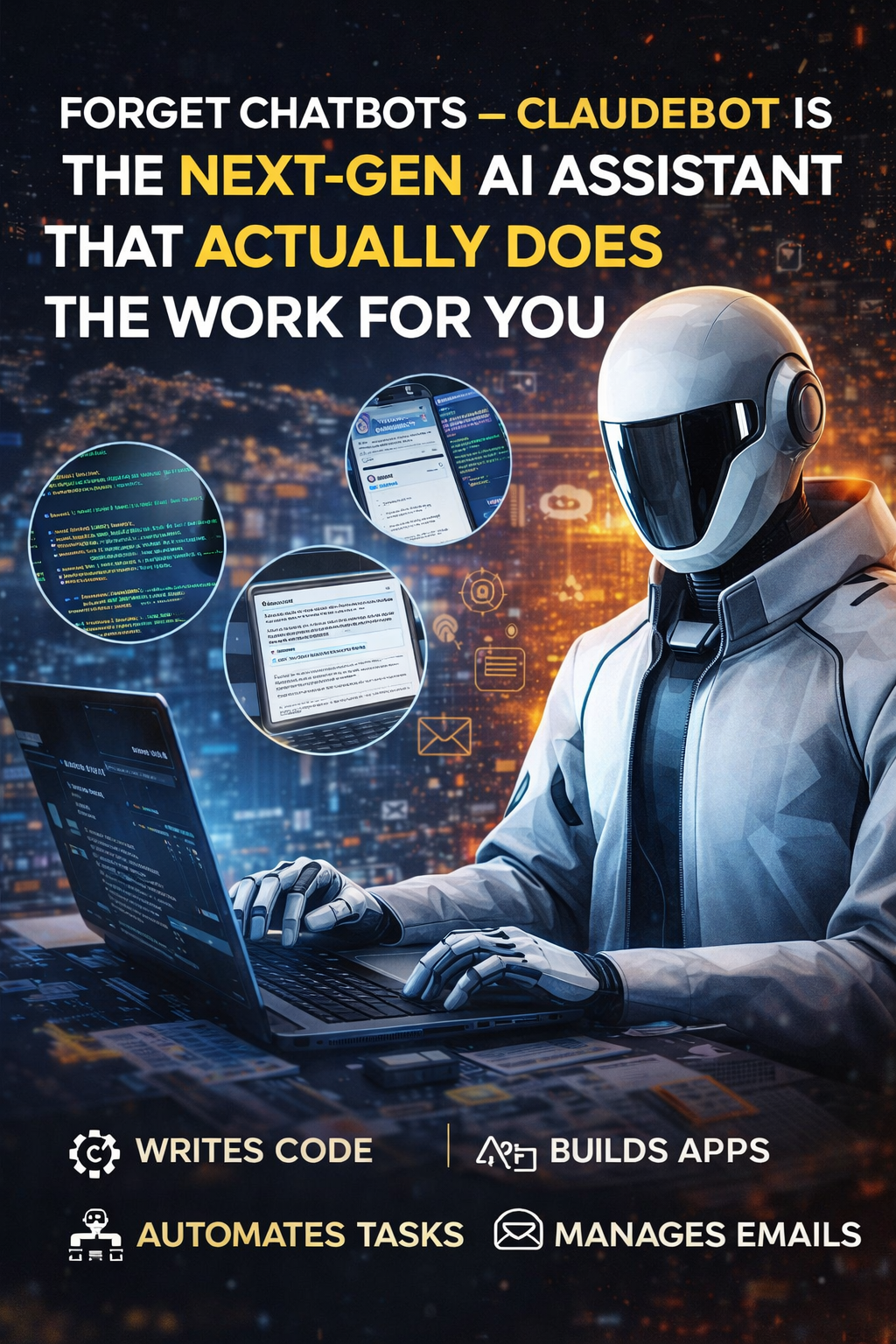
We have all used AI that answers questions. Helpful, interesting but still reactive. You ask, it replies. That era is over. In 2026, something much bigger quietly arrived: autonomous AI assistants digital workers that don’t just chat, they execute. The most talked-about among them? Claudebot, formerly known as Openclaw and it’s turning heads across the tech world.
Imagine telling your computer, “Organize these files, create a spreadsheet, and draft a report from these notes,” and instead of waiting for a reply, you come back later and it’s done — like a real human teammate. That’s the promise behind Claude Cowork, Anthropic’s latest AI breakthrough that’s shifting what we think AI assistants can do.