


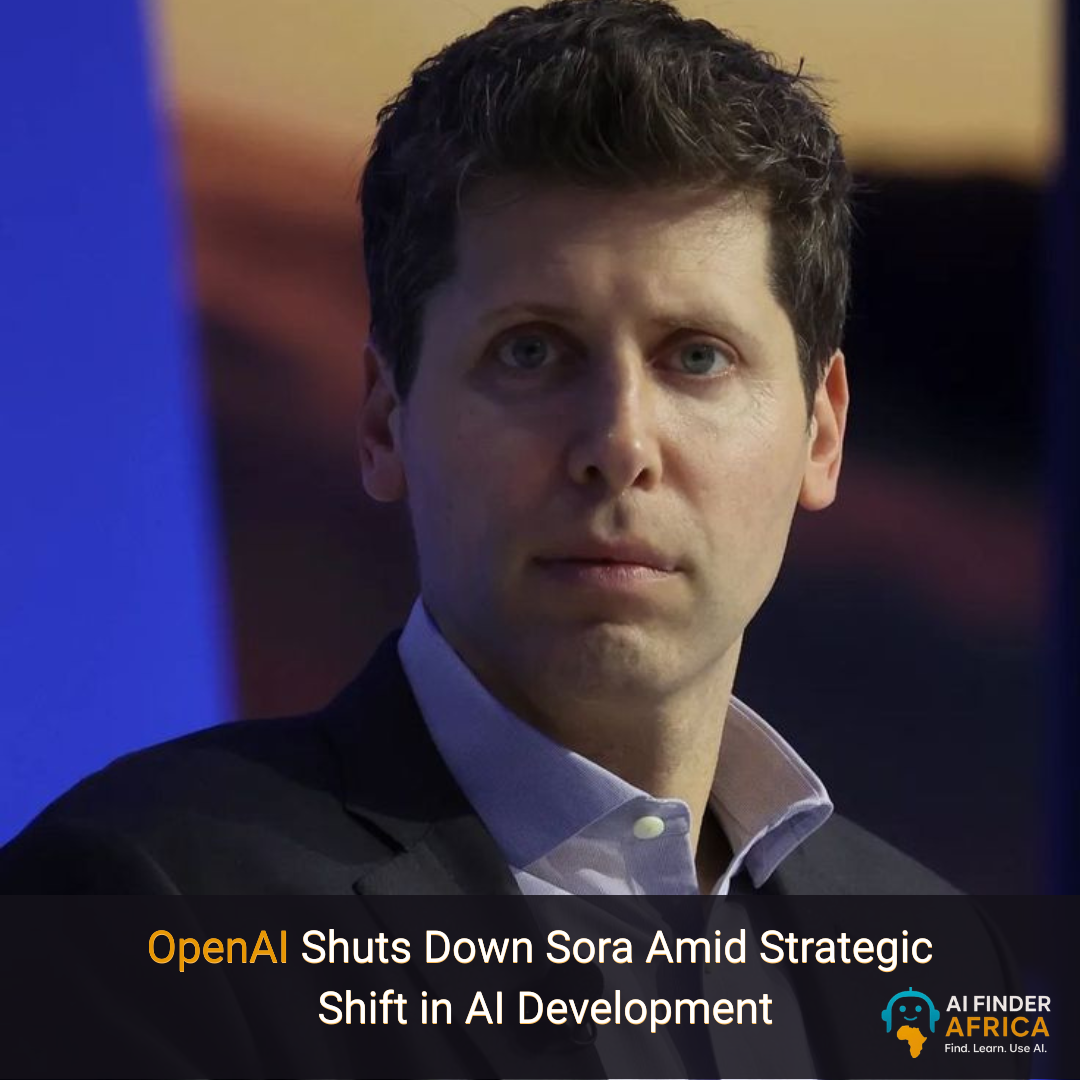
Did Sam Altman Fail? The Real Story Behind Sora Being Shut Down
Scroll through social media right now and you’ll see bold claims:
“Sora was shut down.”
“OpenAI failed.”
“The hype is over.”
It sounds dramatic. Almost like the fall of a giant.
But if you look closer, this isn’t a story about failure.
It’s a story about how fast AI is evolving and how quickly strategies change at the top.
The Hype That Changed Everything
When Sora was first introduced, it didn’t just make noise, it stopped people in their tracks.
For the first time, users could:
● Turn simple text into realistic, cinematic videos
● Generate scenes that looked like movie productions
● Create content in seconds that once took entire teams
It wasn’t just a tool.
It felt like a glimpse into the future of filmmaking, marketing, and storytelling.
So Why Did the Narrative Suddenly Change?
Fast forward, and the tone shifted.
Instead of excitement, people started asking questions:
● Is Sora sustainable?
● Is it ready for mass use?
● What are the risks?
And then came the headlines suggesting it was being “shut down.”
But here’s where clarity matters.
What Actually Happened
Sora wasn’t “killed” in the way people think.
What’s happening is more strategic:
1. A Shift in Focus
Companies like OpenAI don’t stand still. They experiment fast and pivot even faster.
Rather than scaling Sora as a standalone consumer product, the focus appears to be shifting
toward:
● Larger AI systems
● Multimodal intelligence
● Long-term infrastructure
2. The Cost of Innovation
AI video generation is powerful but also extremely expensive.
Running tools like Sora requires:
● Massive computing resources
● Advanced hardware
● Continuous optimization
At scale, that becomes a serious business decision not just a technical one.
3. Legal and Ethical Pressure
Sora’s ability to generate hyper-realistic content raised concerns around:
● Copyright
● Misinformation
● Content ownership
These aren’t small issues.
They’re the kind that shape how and if a product can scale globally.
So… Was This a Failure?
Short answer: No.
Calling this a failure misses the bigger picture.
What Sora Actually Achieved:
● Proved AI video generation is real and viable
● Set a new standard for creative tools
● Sparked global conversation about AI in mediaThat’s not failure.
That’s market validation at scale.
The Strategy Behind the Scenes
In tech, especially at the highest level, success isn’t about sticking to one product.
It’s about: Testing fast
Learning quickly
Redirecting resources where they matter most
This is how leading companies stay ahead.
And this is exactly what we’re seeing here.
What This Means for the Future
This moment tells us something bigger than just one tool:
AI is moving from:
● Experimental features
to
● Core infrastructure shaping industries
We’re entering a phase where:
● Tools will become more integrated
● Systems will become more intelligent
● And user experiences will become more seamless
Final Take
The image you saw is designed to provoke a reaction:
“Did he fail?”
“Is this the end?”
But the reality is far more strategic.
Sora didn’t collapse.
It served its purpose and opened the door to something bigger.
Because in AI, the real story isn’t about what stops…
It’s about what comes next.




 Explore