


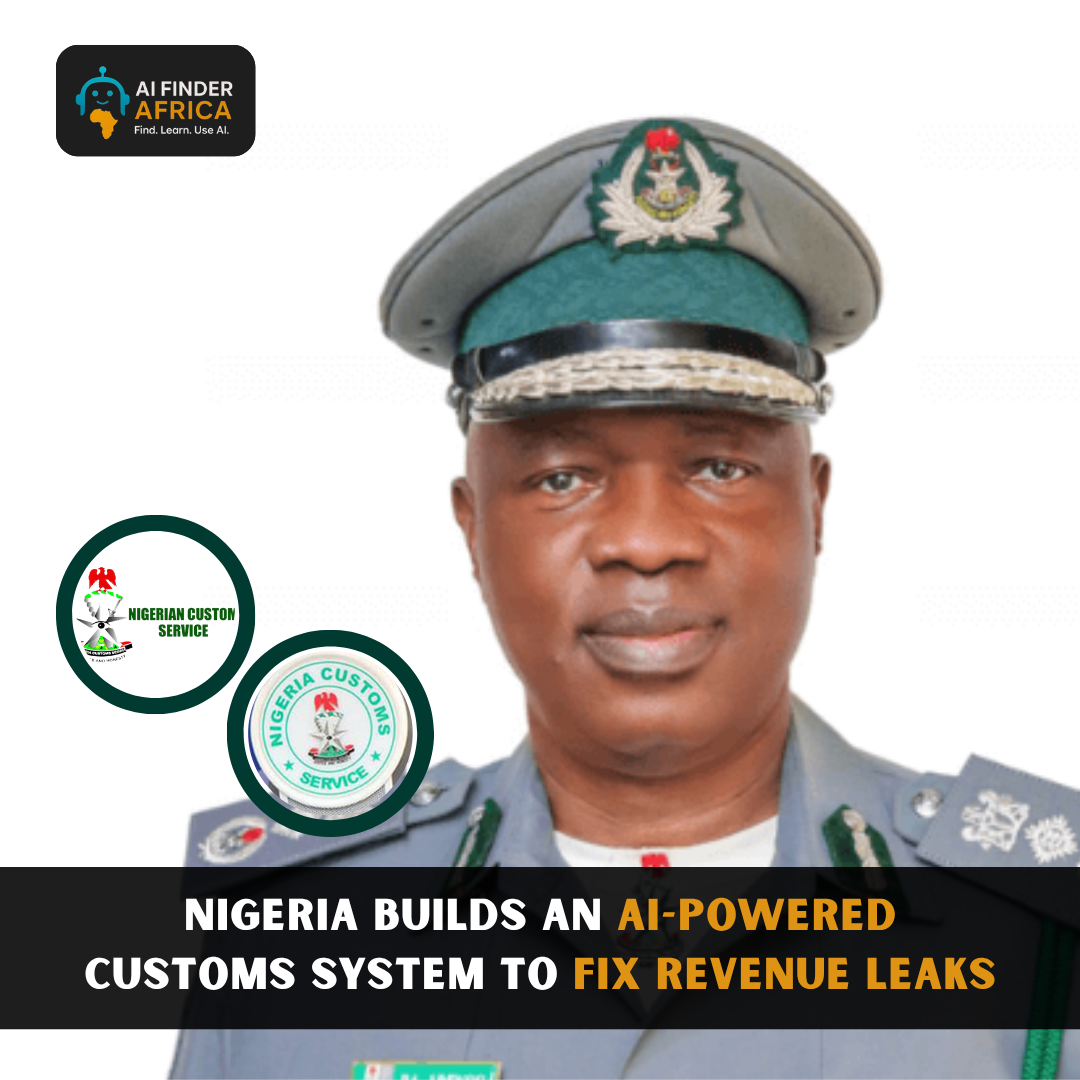
Nigeria Builds an AI-Powered Customs System to Fix Revenue Leaks
Something interesting is happening behind the scenes of Nigeria’s public finance system, and it involves Artificial Intelligence stepping into one of the country’s most critical institutions.
The Nigeria Customs Service (NCS) isn’t just talking about innovation anymore. It’s actively building toward an AI-powered future, one that could change how revenue is tracked, managed, and protected across the country.
So, what exactly is happening?
In Abuja, the NCS recently kicked off a high-level training program focused on AI-driven revenue generation, remittances, and reconciliation. But this isn’t just another government workshop.
It’s part of a bigger move: using AI to plug revenue leaks, improve transparency, and make financial systems smarter.
And here’s what makes it more interesting: this initiative isn’t happening in isolation.
Senior Customs officers, tech experts, and even members of the National Assembly are all in the same room. That kind of collaboration signals something bigger than training. It points to a coordinated push to modernise how Nigeria handles public money.
Why AI, and why now?
Globally, governments are turning to AI to fix long-standing inefficiencies, especially in areas like tax collection, fraud detection, and trade monitoring.
For Nigeria, the timing makes sense.
Customs operations sit at the centre of international trade, where massive volumes of goods and money move daily. Tracking all of that manually? Nearly impossible.
That’s where AI comes in.
With the ability to analyse patterns in trade data, detect inconsistencies, and automate reconciliation processes, AI can help Customs:
- Identify suspicious transactions faster
- Reduce human error in financial reporting
- Improve accuracy in revenue collection
- Strengthen accountability across the system
According to Comptroller-General Adewale Adeniyi, technology is already helping the Service better understand global trade patterns. AI simply takes that a step further.
Beyond the buzzwords
What’s refreshing here is the tone from leadership.
There’s no “AI is the future” cliché being thrown around casually. Instead, officials like Deputy Comptroller-General Kikelomo Adeola are clear: AI is already here, and Nigeria needs to start using it now.
That mindset shift matters.
Because the real challenge isn’t just adopting AI tools, it is building the capacity to actually use them effectively. That is exactly what this training aims to solve.
The bigger picture
This move by the NCS fits into a broader trend across Africa, where governments are slowly embracing digital transformation to improve governance.
From fintech innovations to digital identity systems, AI is becoming part of the toolkit for solving systemic problems.
If executed well, this Customs initiative could:
- Boost government revenue
- Reduce corruption risks
- Increase trust in public financial systems
And more importantly, it could set a precedent for other agencies to follow.
Final thought
This isn’t just about training officials or experimenting with new tech.
It is about rethinking how a country manages one of its most important assets, its revenue.
And if AI can help Nigeria do that more transparently and efficiently, this might just be one of the most important (and underrated) tech moves happening in the country right now.

 Explore