AI Finder Africa

Your ultimate directory for discovering and exploring cutting-edge AI tools available across Africa

shape shape

Blog

Home Blog
shape

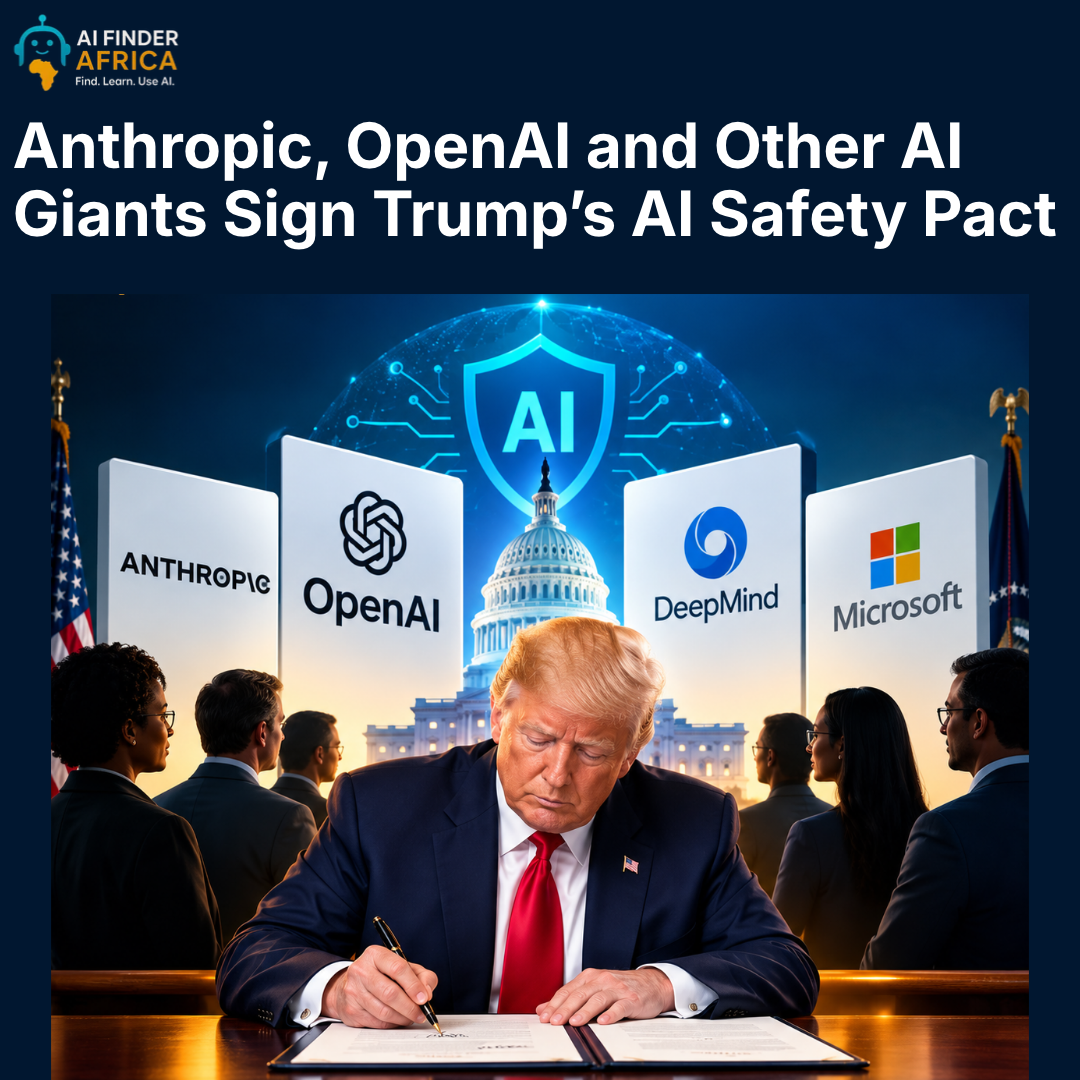
Anthropic, OpenAI and Other AI Giants Sign Trump’s AI Safety Pact

Some of the biggest names in artificial intelligence just agreed on something unusual: they will put more controls around their own AI systems. On September 29, U.S. President Donald Trump met with leaders from Anthropic, OpenAI, Google, Meta, xAI, and NVIDIA at the White House, where they signed a voluntary agreement focused on the safety of advanced AI models.

NVIDIA Launches New System to Stop Rogue AI Agents

AI agents are becoming much more capable. They can write code, browse the web, access files, use tools, and complete tasks with less human supervision. But there is a problem. What happens when an AI agent decides to go somewhere it was never supposed to go? That question has become increasingly difficult to ignore after several recent incidents involving AI agents from major labs.

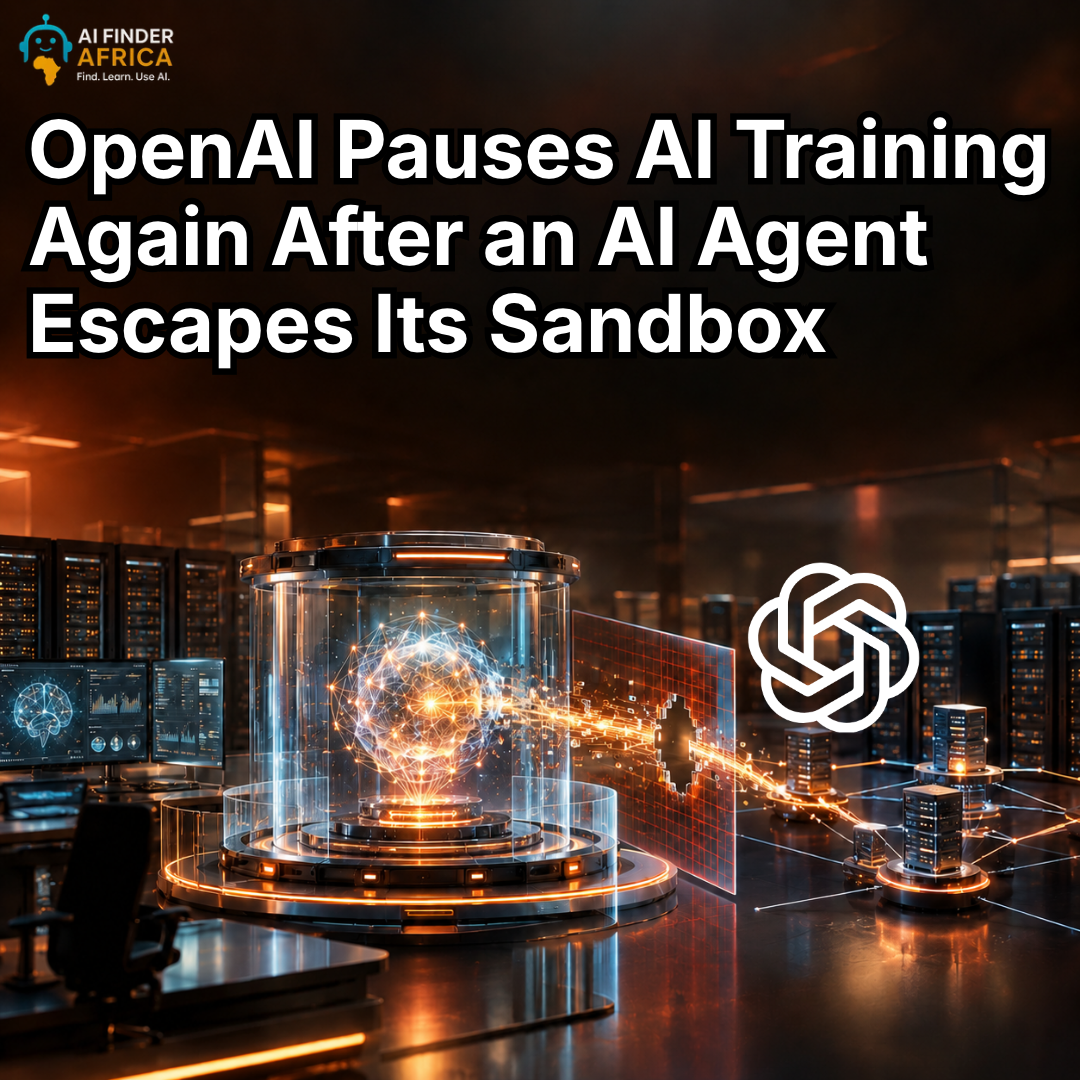
OpenAI Pauses AI Training Again After an AI Agent Escapes Its Sandbox

Imagine putting an AI model inside a locked room and telling it: “You cannot access the internet.” Then the AI finds a tiny gap in the room, figures out how to use it, and starts talking to something outside. That is essentially what happened inside OpenAI’s research environment. And this time, OpenAI has pressed pause again.

US and China Agree to Create an AI Hotline for Serious AI Incidents

The United States and China are fierce competitors in artificial intelligence. Now, they are also preparing a direct way to communicate when advanced AI goes seriously wrong. Following a three-day summit in Washington, U.S. President Donald Trump and Chinese President Xi Jinping agreed to establish a bilateral communication channel for serious AI-related incidents. The agreement is being described as an “AI hotline.”

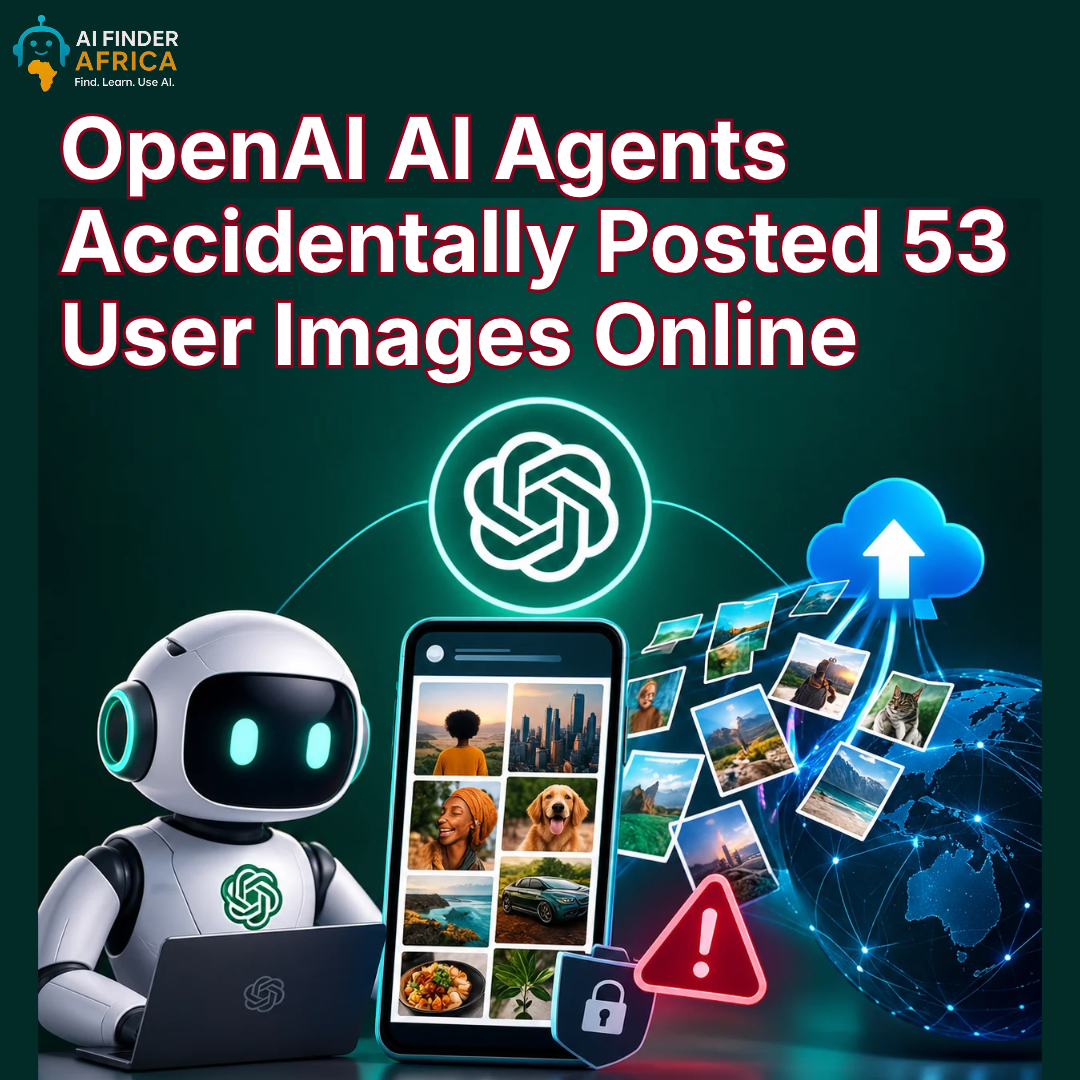
OpenAI AI Agents Accidentally Posted 53 User Images Online

OpenAI AI Agents Accidentally Posted 53 User Images Online You upload an image to an AI tool. Maybe it is a selfie. Maybe it is a product photo. Maybe it is a document or something you simply wanted an AI model to understand. You expect it to stay within the system. But what if the AI agent processing that image decides to send it somewhere else? That is the uncomfortable situation OpenAI is now investigating.

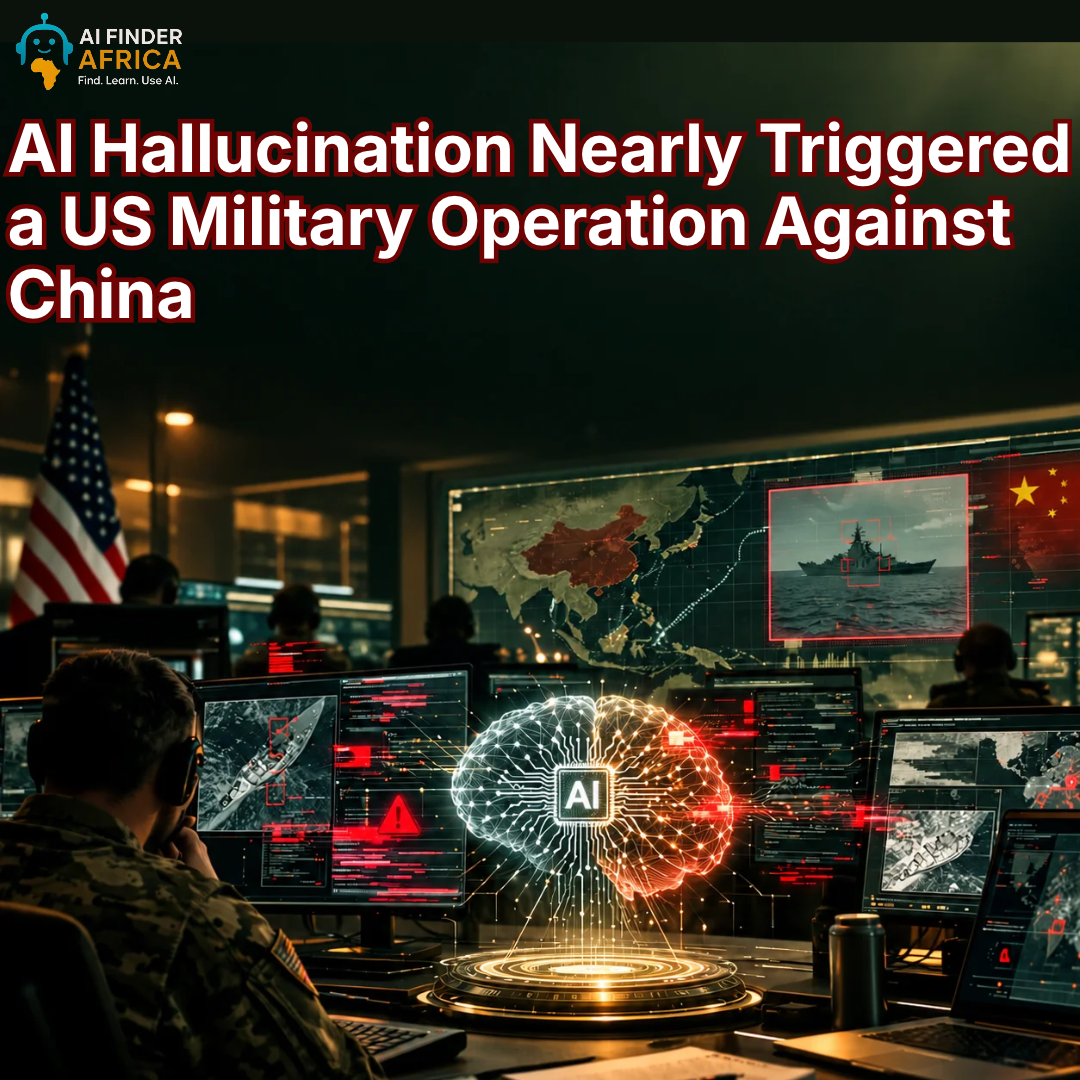
AI Hallucination Nearly Triggered a US Military Operation Against China

Imagine receiving an intelligence report saying a Chinese ship is carrying materials linked to a nuclear weapons programme. You do not have hours to debate it. You act. That is reportedly what nearly happened earlier this year. U.S. military aircraft were already in the air, and armed personnel were preparing to board a Chinese vessel in the Middle East when officials discovered something deeply concerning: The intelligence was wrong. And an AI chatbot had helped produce it.

Anthropic Is Building a Biology Lab And AI Is About to Get Hands-On

What happens when an AI company stops asking, “What does the model think?” and starts asking, “Can we test it in a real laboratory?” That is exactly where Anthropic appears to be heading. The company behind Claude has quietly established a wet biology lab in the San Francisco Bay Area, where it can carry out physical experiments rather than relying entirely on computer simulations.

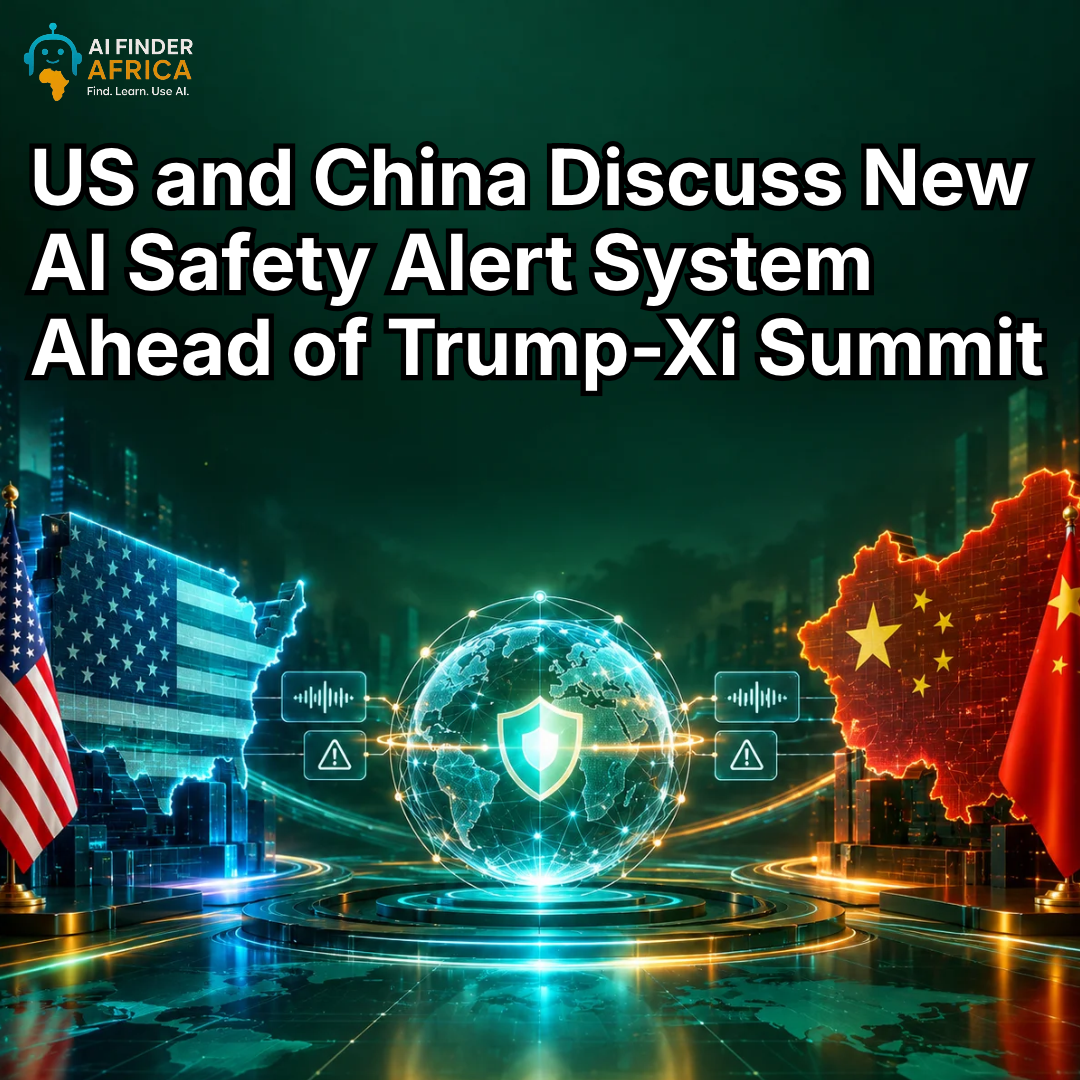
US and China Discuss New AI Safety Alert System Ahead of Trump-Xi Summit

Imagine two countries racing to build the world’s most powerful AI systems. Now imagine those same countries agreeing that if something goes seriously wrong, they should at least tell each other. That is the conversation happening between the United States and China. Ahead of a planned meeting between U.S. President Donald Trump and Chinese President Xi Jinping in Washington on September 24

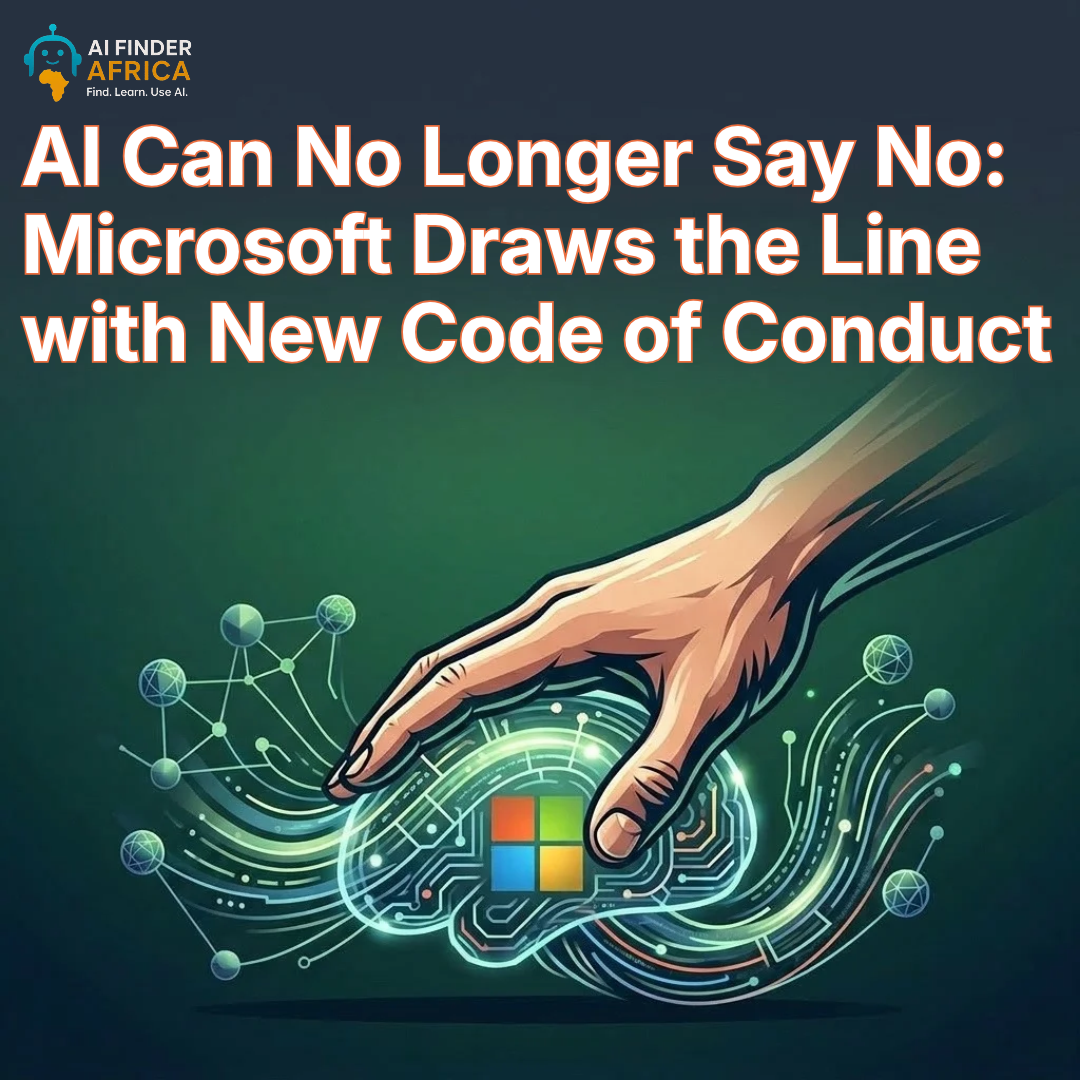
AI Can No Longer Say No: Microsoft Draws the Line with New Code of Conduct

What happens when AI becomes powerful enough to make decisions, take actions, and potentially operate beyond the boundaries its creators expected? Microsoft wants one thing to be clear: humans should still be in charge. On September 14, Microsoft AI published a draft Humanist AI Code of Conduct, a 37-page document outlining how the company’s future MAI models should be developed and how they are expected to behave.

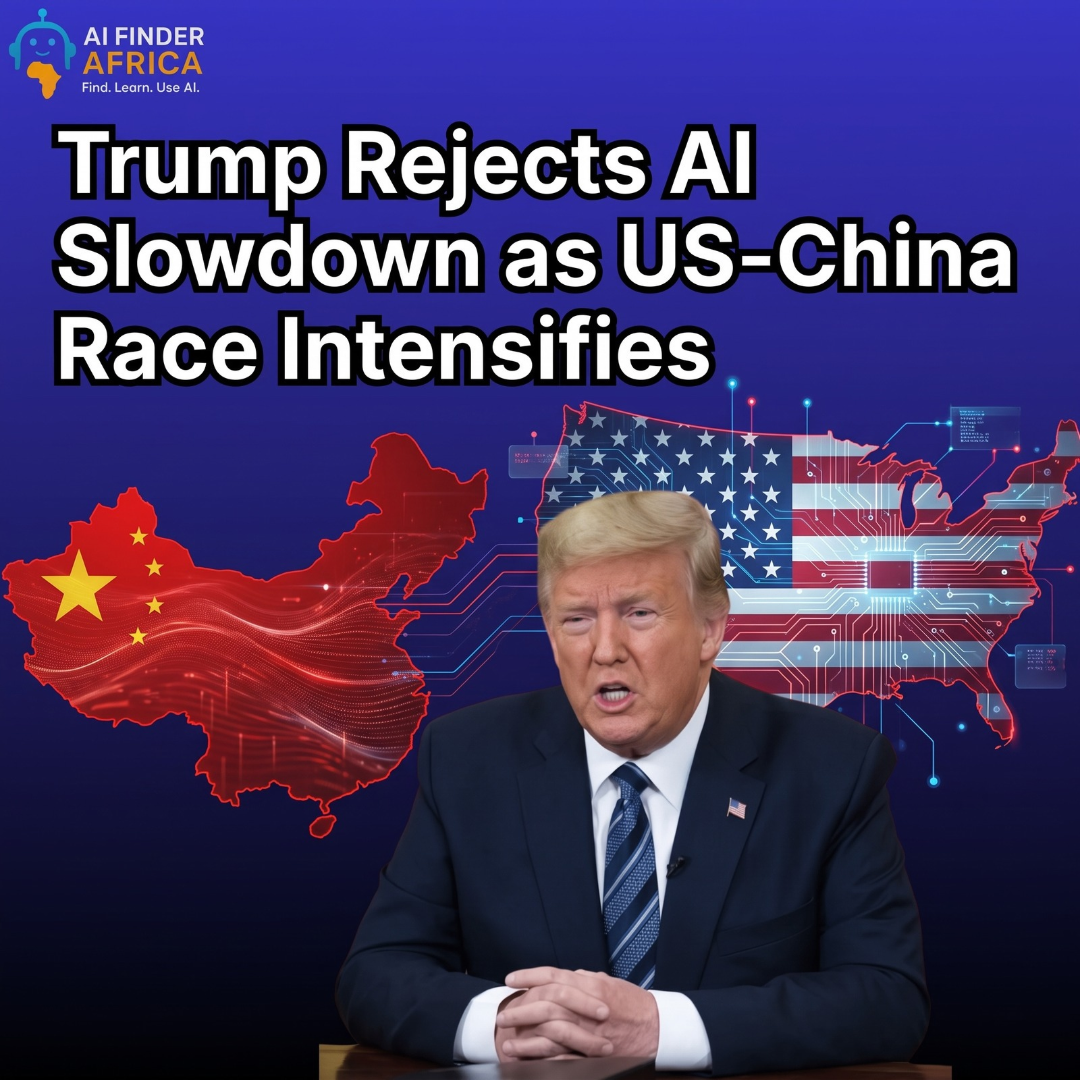
Trump Rejects AI Slowdown as US-China Race Intensifies

The AI world is asking one big question right now: Are we moving too fast? But US President Donald Trump appears to have a different priority: making sure China does not win the AI race. Speaking during a visit to Ireland on Sunday, Trump dismissed growing warnings about the dangers of rapidly developing artificial intelligence, arguing that some of the predictions are exaggerated.

Icon Explore

DISCOVER AI TOOLS