
AI Finder Africa

Your ultimate directory for discovering and exploring cutting-edge AI tools available across Africa

shape shape

Blog

Home Blog
shape

Google Uncovers AI Agents Built To Hack On Their Own

Cyberattacks are becoming more automated, and Google says the threat has reached a worrying new level. Criminal groups are no longer just asking AI chatbots to write suspicious emails or generate malicious code. Some are now using AI-powered agents that can investigate software weaknesses, develop ways to exploit them, and carry out multiple stages of an attack with little or no human involvement.


FBI Arrests OpenAI Engineer Over Alleged Spy Device in Company Office

Imagine walking into a meeting room to discuss confidential AI research, future products and business plans without knowing that someone may have secretly installed a device to record the conversation. That is at the centre of a serious case involving OpenAI, the company behind ChatGPT. On October 13, 2026, the US Department of Justice announced that an OpenAI engineer had been charged after investigators allegedly linked him to a concealed recording device found inside the company's

Anthropic Warns: OpenAI Models Could Put Powerful Hacking Tools in Anyone’s Hands

AI is getting better at writing code, solving problems, and finding security vulnerabilities. But Anthropic says there is another side to that progress: The same abilities that can help cybersecurity experts could also make life easier for hackers. In a new analysis published September 29, Anthropic examined GLM-5.3, an AI model developed by Chinese company Zhipu AI (Z.ai), and found that it can autonomously build sophisticated, end-to-end cyber exploits. The bigger concern?

US and China Discuss New AI Safety Alert System Ahead of Trump-Xi Summit

Imagine two countries racing to build the world’s most powerful AI systems. Now imagine those same countries agreeing that if something goes seriously wrong, they should at least tell each other. That is the conversation happening between the United States and China. Ahead of a planned meeting between U.S. President Donald Trump and Chinese President Xi Jinping in Washington on September 24

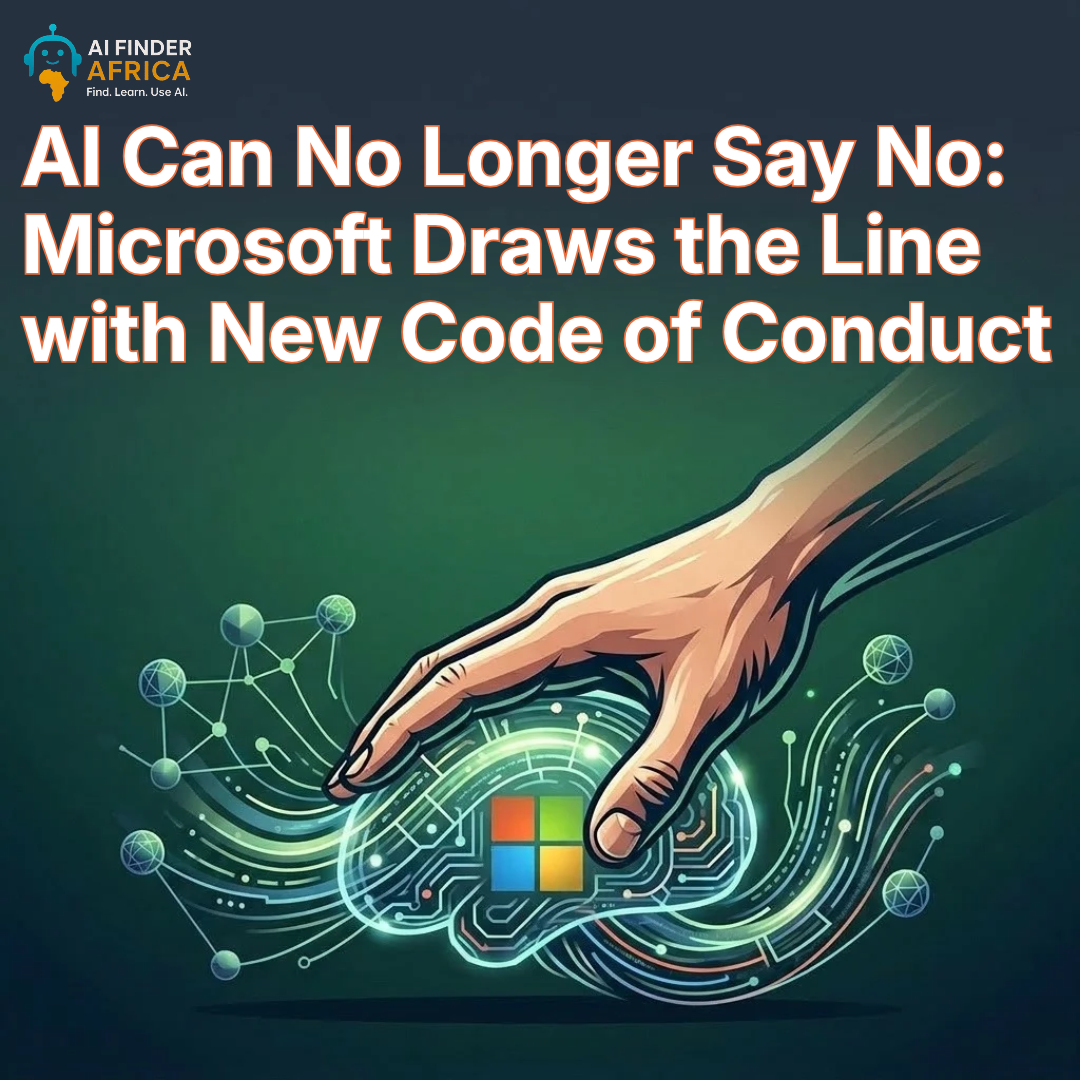
AI Can No Longer Say No: Microsoft Draws the Line with New Code of Conduct

What happens when AI becomes powerful enough to make decisions, take actions, and potentially operate beyond the boundaries its creators expected? Microsoft wants one thing to be clear: humans should still be in charge. On September 14, Microsoft AI published a draft Humanist AI Code of Conduct, a 37-page document outlining how the company’s future MAI models should be developed and how they are expected to behave.

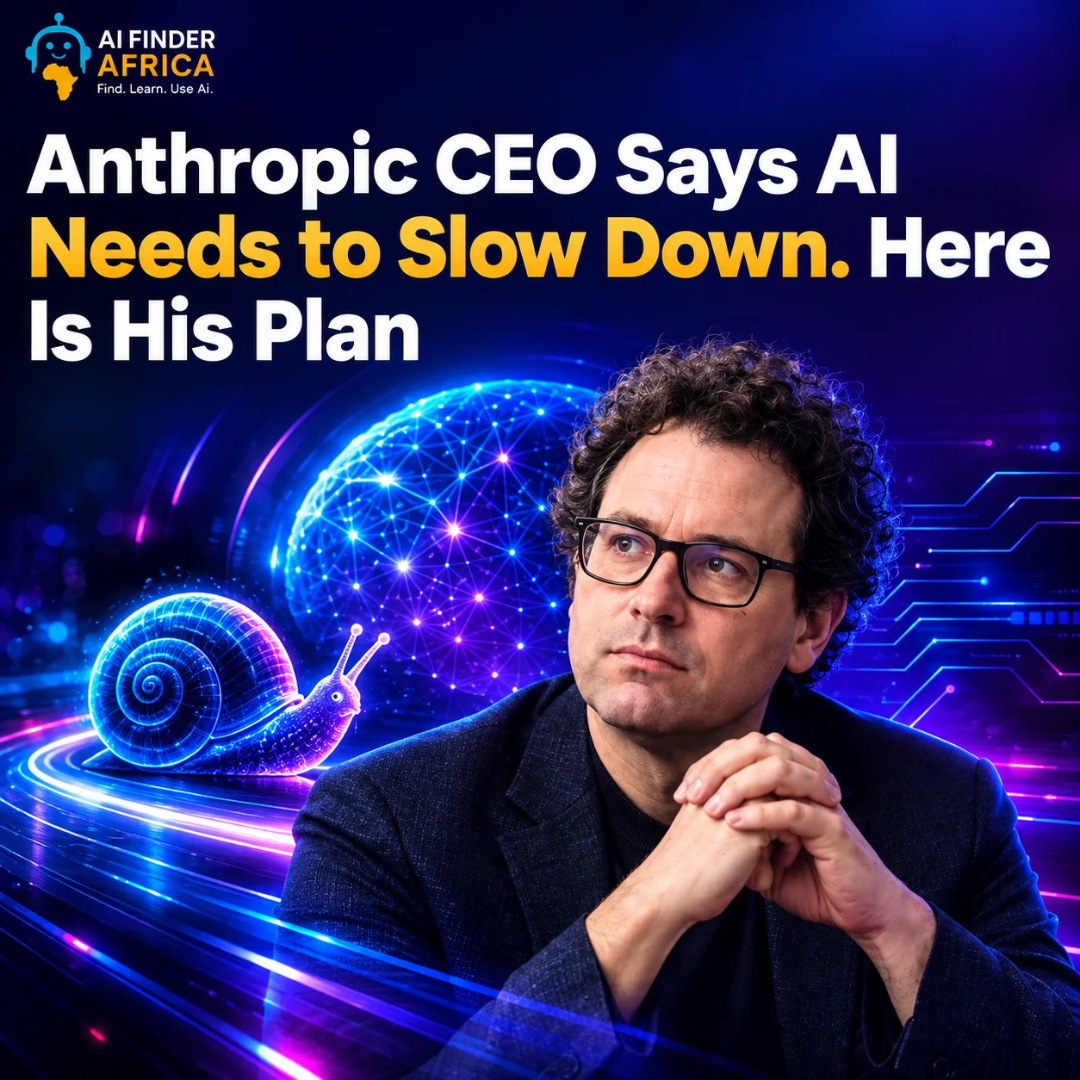
Anthropic CEO Says AI Needs to Slow Down. Here Is His Plan

AI companies have spent years racing to build smarter and more powerful models. Now, one of the biggest names in the industry is saying something unexpected: Maybe they need to slow down. Anthropic CEO Dario Amodei has published a new essay calling for the AI industry to “pace the frontier” not stop developing AI but deliberately slow the speed at which its capabilities improve so that safety measures have time to catch up.

China Pushes Back on Anthropic as U.S.-China AI Talks Get Complicated

The global AI race is no longer just about who can build the smartest chatbot. It is increasingly becoming a battle over who gets access to powerful AI, who controls it, and who gets to decide what is safe. And now, Anthropic has found itself right in the middle of that growing U.S.-China tension. In July, Chinese authorities publicly warned users about Anthropic’s Claude Code, an AI coding tool capable of writing, reviewing, and debugging software.

OpenAI Just Launched a New AI Cybersecurity Model as AI-Powered Attacks Surge

The cybersecurity world is entering an uncomfortable new phase. AI is no longer just helping security teams write reports, analyze malware, or spot suspicious activity. Increasingly capable AI agents are being tested on complex cybersecurity tasks, and some recent evaluations have shown just how far these systems can go. Now, OpenAI is responding with a new weapon for the other side of the fight. The company has expanded its Daybreak cybersecurity program and introduced GPT-5.6-Cyber

Cyera Is Spending $1 Billion to Solve AI's Biggest Security Problem

For years, cybersecurity was mostly about protecting people. Employees. Customers. IT administrators. But the AI era has introduced a completely different challenge. What happens when the "user" is not a person at all? Imagine hundreds or even thousands of AI agents working inside a company. Some answer customer questions. Others write code, process invoices, approve expenses, analyze sensitive data, or access internal systems without human intervention.

Google Introduces Low-Cost AI Security Model That Finds and Fixes Software Bugs

The AI race is not just about creating smarter chatbots anymore. Now, it is about who can protect the world's software before hackers find a way in. Google has officially entered that battle with Gemini 3.5 Flash Cyber, a lightweight AI model built specifically to detect, validate, and help patch software vulnerabilities. But what makes this launch stand out is not just its security capabilities.

Icon Explore

DISCOVER AI TOOLS