Kimi K2.6 Review: The Open-Source AI That’s Challenging GPT and Claude
Most AI tools today feel like assistants. You ask. They answer. Done. But what if an AI didn’t stop there?
Not long ago, running an AI assistant required powerful computers, cloud servers, and a lot of memory. Now imagine this instead. An AI agent running on a tiny device smaller than your palm, one that costs about $10.
Okechukwu Nwaozor built an AI system. He was 17, just out of secondary school, and entirely self-taught. When he shared his plans on Facebook, the comments ranged from disbelief to outright mockery. Yet here he is today, leading a project that has captured the attention of developers across Africa and beyond.
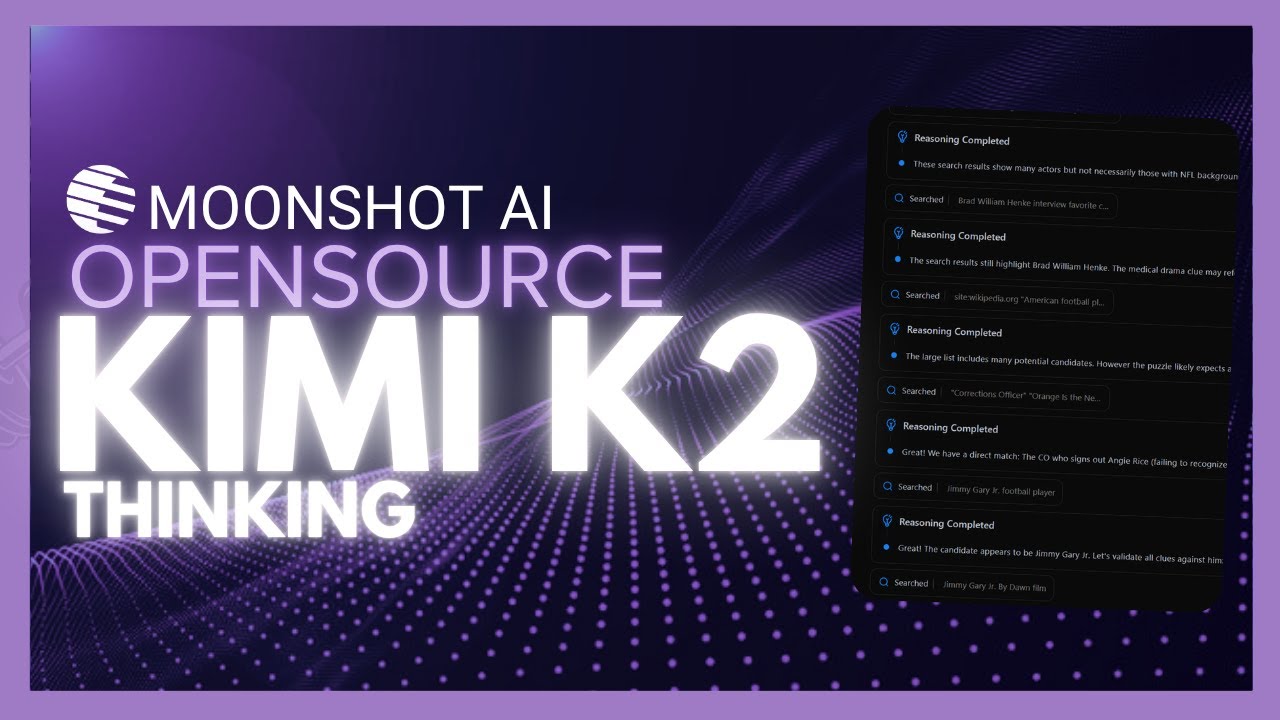
This week, a Chinese startup called Moonshot AI released a new model Kimi K2 Thinking and quietly flipped the leaderboard. In independent benchmarks that test reasoning, coding, and autonomous tool use, this free, open-source model didn’t just compete with OpenAI’s GPT-5. It beat it.
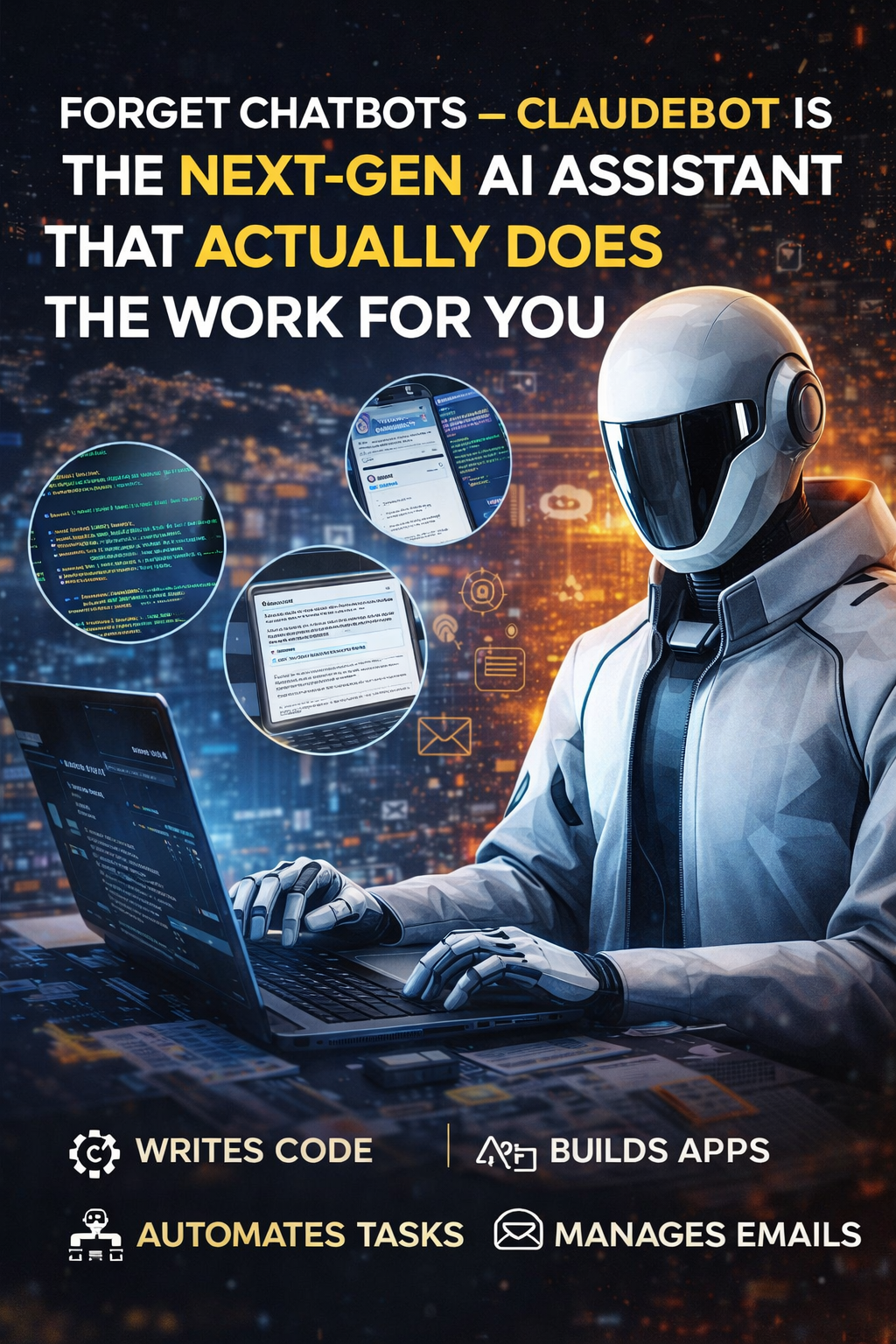
We have all used AI that answers questions. Helpful, interesting but still reactive. You ask, it replies. That era is over. In 2026, something much bigger quietly arrived: autonomous AI assistants digital workers that don’t just chat, they execute. The most talked-about among them? Claudebot, formerly known as Openclaw and it’s turning heads across the tech world.