“Would You Talk to Someone You Lost?" The Chinese AI That’s Bringing Memories Back to Life
It starts like something out of a sci-fi movie… but it’s real. Imagine holding a small device in your hand. Inside it?
Stop guessing which AI tool to use. Join AI Africa to discover tested AI tools, save your favourites, and use AI with a smile!
Free Account Ends Soon!
Access verified and curated tools
Bookmark tools for quick access
Get notified about new tools


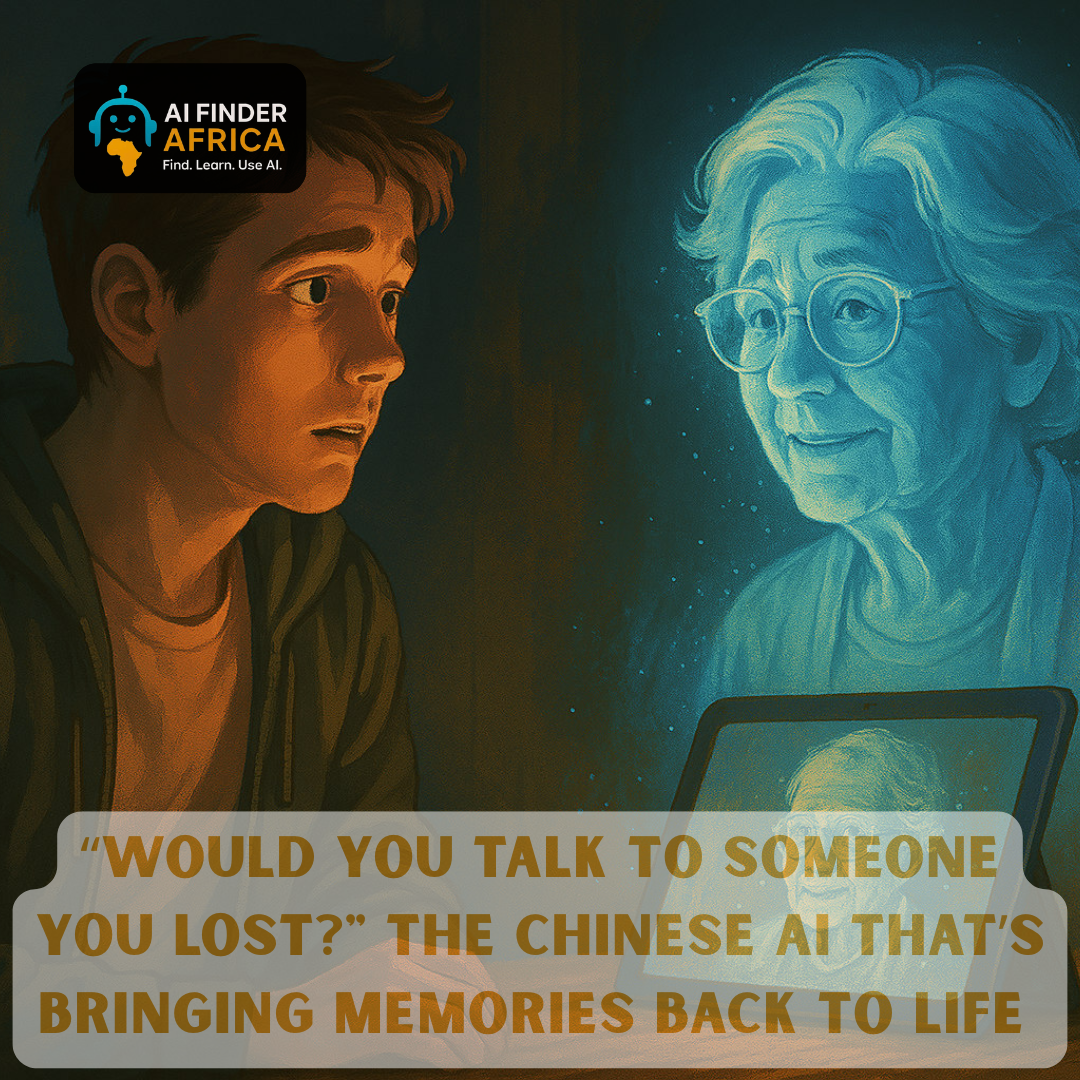
It starts like something out of a sci-fi movie… but it’s real. Imagine holding a small device in your hand. Inside it?

Imagine running a news platform. Your stories are still relevant. People are still searching for information. The world hasn’t suddenly stopped caring about news. But your traffic?
Most AI tools today feel like assistants. You ask. They answer. Done. But what if an AI didn’t stop there?

While most people were busy using ChatGPT for writing and coding, something major just happened in the background. OpenAI has rolled out ChatGPT Images 2.0, a new and significantly improved image generation model that’s already being integrated across the platform.

At first, it looked like a win. Faster development. Smarter systems. Engineers shipping code at record speed. Then came the reality check.

Imagine logging into a simple AI tool to speed up your work… Now imagine that same tool becoming the backdoor into one of the biggest developer platforms in the world.

Let’s be honest, most AI tools help you work. This one? It feels like it’s trying to do the whole job with you. Anthropic just introduced something people are calling “Claude for designers”, and within hours, the internet was flooded with people turning plain text into real, interactive products.
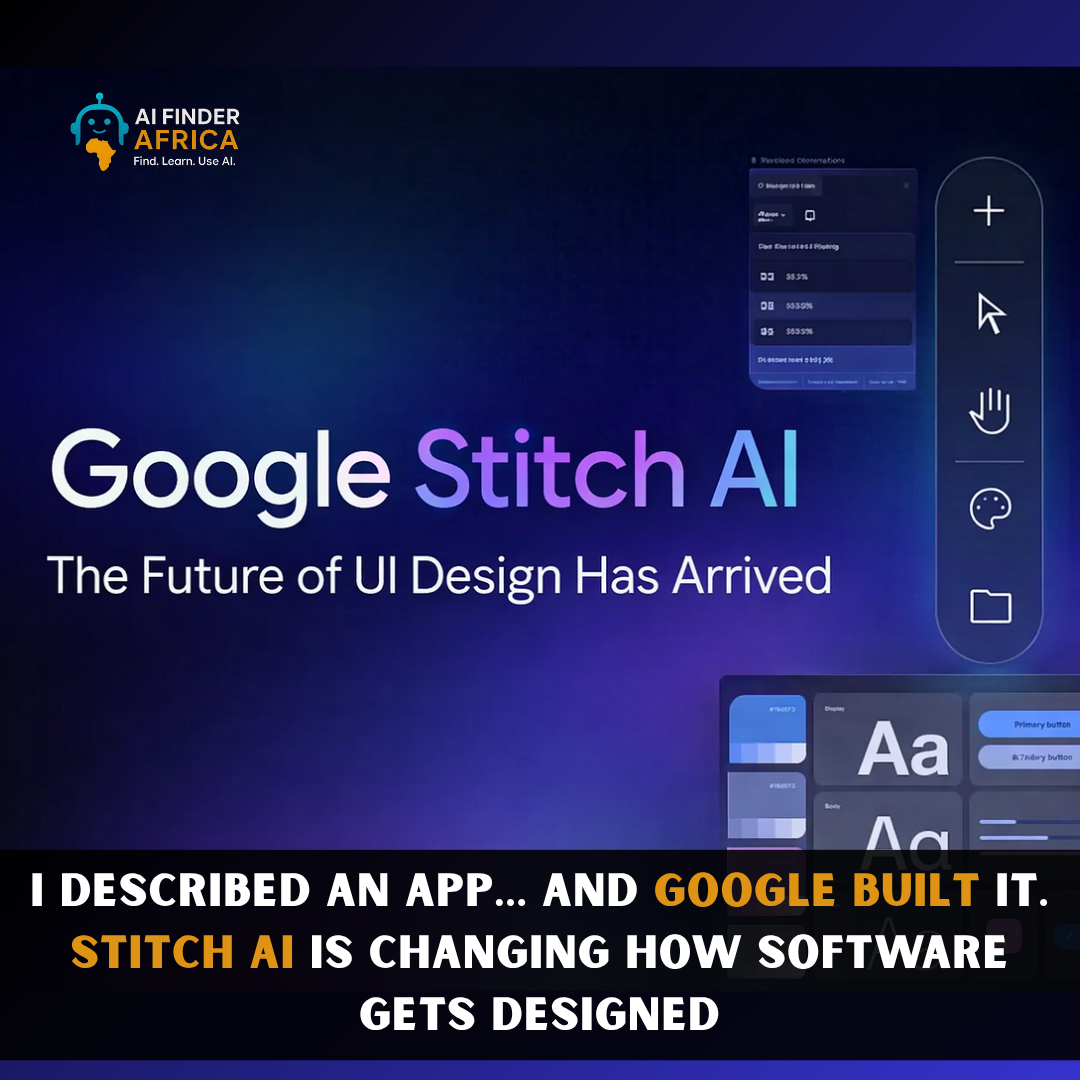
Imagine opening your laptop, typing: “Create a clean fintech app with dark mode and charts” …and within seconds, you’re staring at a fully designed interface, buttons, layout, screens, everything.
If you think the AI race is all about cool chatbots and funny poems, think again. Behind the scenes, a high-stakes standoff just went down between two of the world’s biggest tech titans: Apple and Elon Musk.

A few months ago, making a cinematic scene meant cameras, actors, lighting rigs, editors… and a lot of money. Now?
 Explore