Anthropic Hits $1 Trillion Valuation: The AI Race Just Got Wild
Imagine waking up to find that a company you barely heard about a year ago is now worth $1 trillion. That’s exactly what’s happening with Anthropic.
What if your bus could hear danger before anyone else does? Or a robotic system could help patients regain movement right here in Nigeria? Sounds futuristic… but it’s already happening.
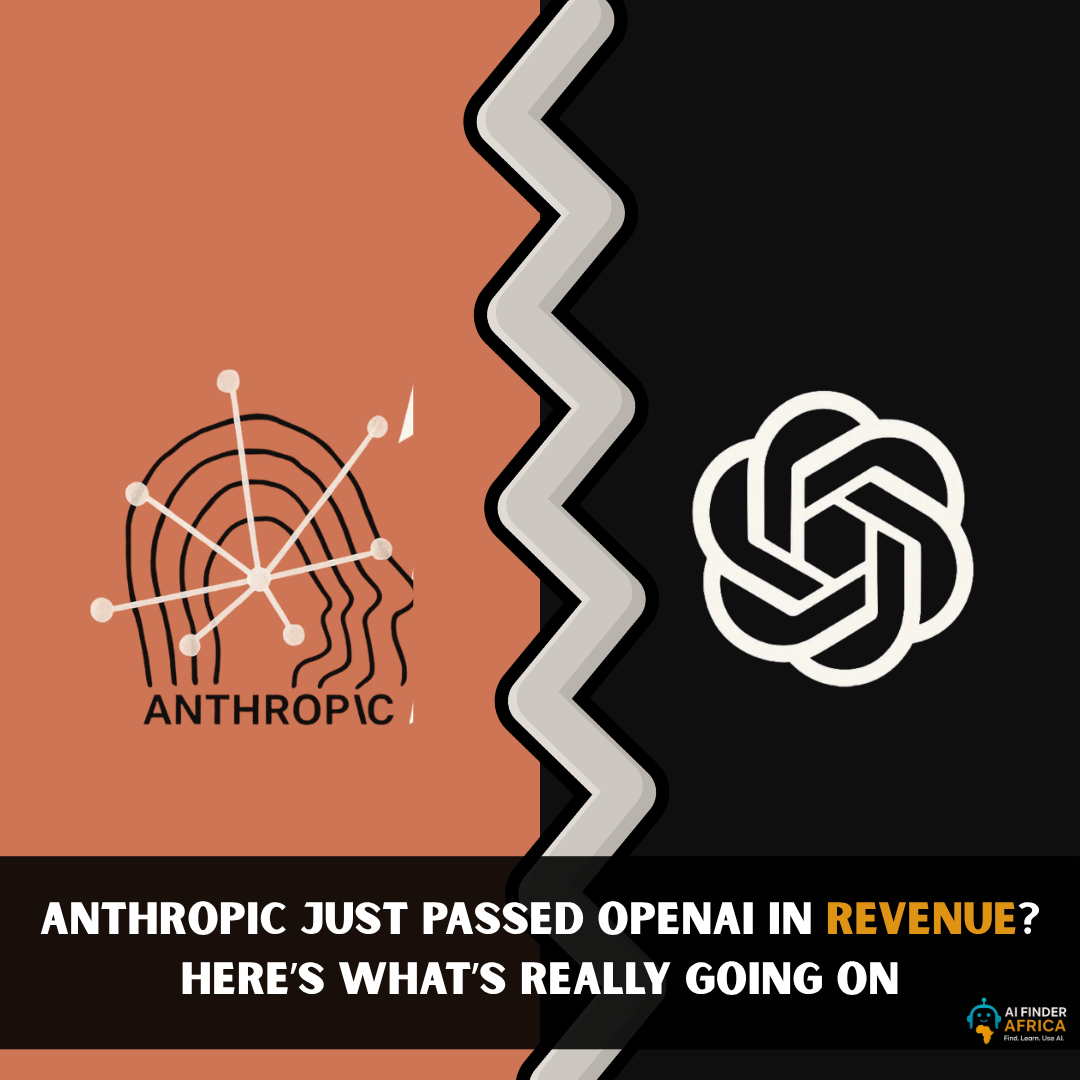
For the longest time, OpenAI has been the name everyone associates with the AI boom. From ChatGPT taking over conversations to partnerships with giants like Microsoft, it felt like no one was even close. But now? There’s a plot twist.
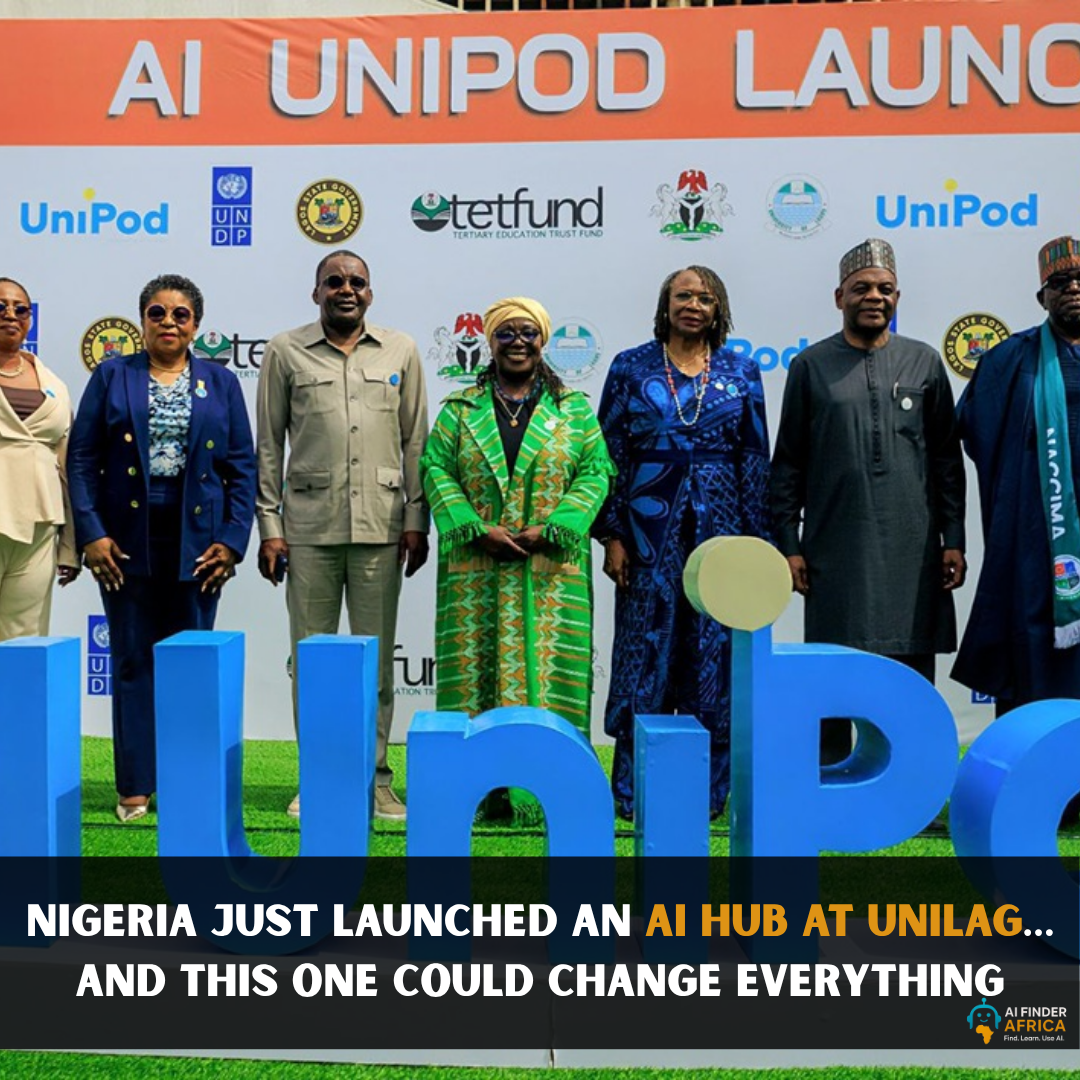
Something big just happened in Nigeria’s tech space, and it’s not just another announcement. This one feels… different. Yesterday, at the University of Lagos, the Nigerian government, alongside the United Nations Development Programme and Tertiary Education Trust Fund, officially launched something called the AI University Innovation Pod (UNIPOD).
Let’s be honest, most AI tools talk a lot. They suggest. They explain. They guide. But when it comes to spreadsheets? You’re still the one doing the hard work. That’s exactly the gap Decide AI is trying to close and why it’s suddenly on the global stage.
It was supposed to be a big win. A fast-rising AI startup. A multi-billion-dollar exit. And one of the biggest tech companies in the world, Meta writing the cheque. But now? The story has taken a sharp, almost cinematic turn.
There’s a pattern in today’s AI boom: big promises, flashy demos, and tools that feel… familiar. But somewhere in Lagos, a startup is taking a very different path. Grace AI Lab isn’t trying to be the loudest voice in the room. Instead, it’s focused on building something far more ambitious: autonomous digital workers. AI systems that don’t just respond to prompts but can actually carry out complex tasks, make decisions, and deliver real outcomes with minimal supervision.
In the world of artificial intelligence, new models and flashy product launches usually steal the spotlight. But sometimes, the biggest story isn’t a new AI tool; it is the people building them. That’s exactly what’s happening now.
Imagine trying to talk to a voice assistant in Yoruba. Or Swahili. Or Igbo. You ask a question… but the AI responds with confusion. It mishears your name, struggles with your accent, and completely fails when you switch between languages mid-sentence. For millions of Africans, that experience is still common. Most voice technologies were built using American or European speech data, which means they often struggle with African accents, names, and languages.
Okechukwu Nwaozor built an AI system. He was 17, just out of secondary school, and entirely self-taught. When he shared his plans on Facebook, the comments ranged from disbelief to outright mockery. Yet here he is today, leading a project that has captured the attention of developers across Africa and beyond.