


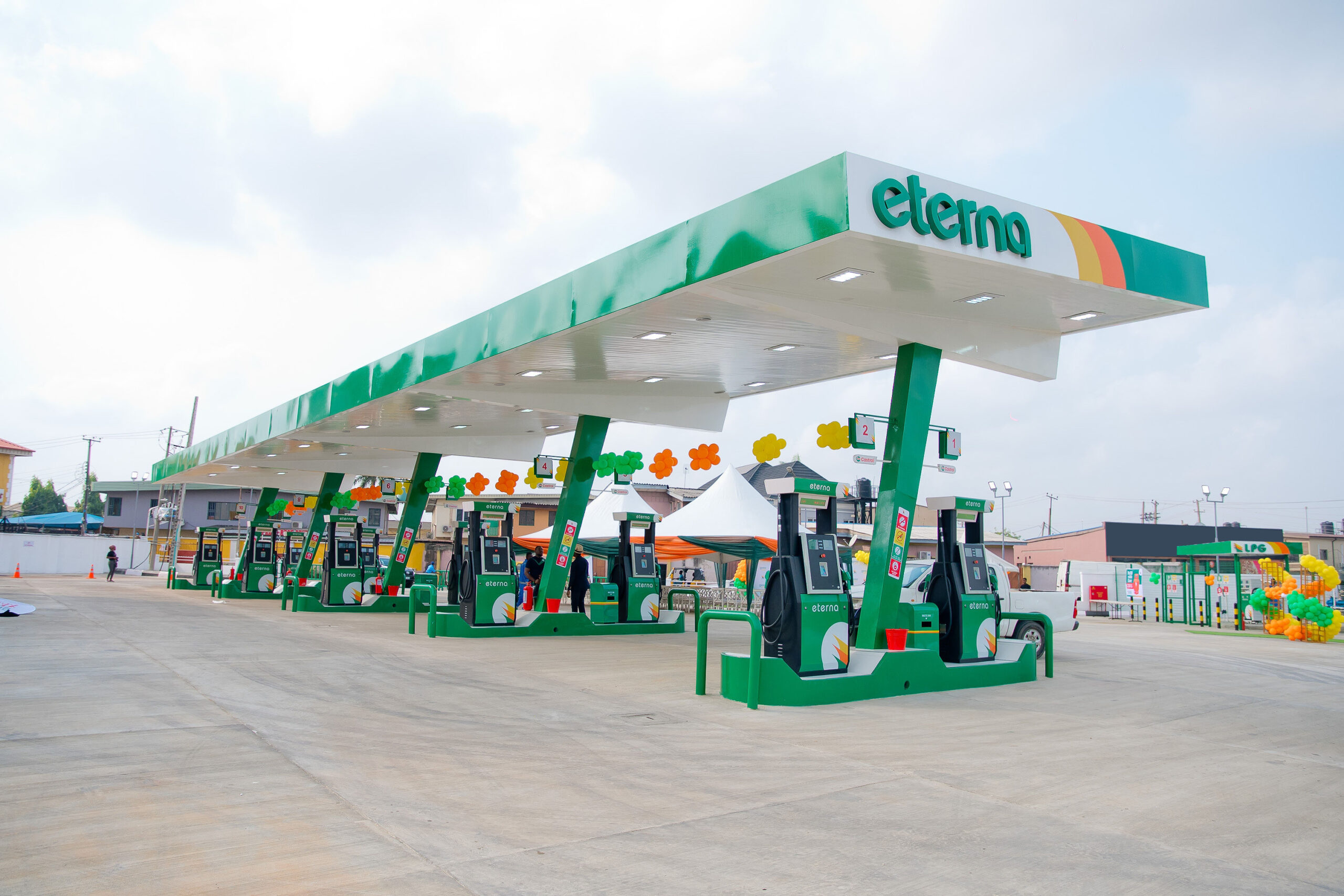
No Attendant? No Problem: Nigeria’s First Self-Service Fuel Stations Are Changing How You Buy Petrol
For decades, buying fuel has followed the same routine across Nigeria — drive in, wait your turn, speak to an attendant, make a transfer (or bring out cash), and hope there’s no delay or mix-up before you leave.
Now, that routine may be on its way out.
Fuel stations are beginning to test something new: self-service fuelling. And at the centre of this shift is Eterna Plc, which has started rolling out automated fuel terminals across its retail network using technology developed by Fuelmetrics Limited.
Instead of relying on an attendant, these smart terminals allow motorists to authorise, pay for, and dispense fuel themselves.
No middleman. No manual calculation. No back-and-forth.
Just tap, confirm, and fuel.
So… What Exactly Is a Self-Service Fuel Terminal?
Think of it as an ATM but for petrol.
At these upgraded stations, drivers can:
- Insert or tap their debit card
- Use prepaid digital fuel vouchers
- Authorise the exact fuel amount they want
- Dispense fuel directly into their vehicle
All without handing over cash or initiating a bank transfer on the spot.
Once the payment is approved, the pump activates automatically. The system tracks the volume dispensed in real time, ensuring that what you pay for is exactly what you get.
And because the transaction is digitally recorded, disputes over payments or fuel quantity, a common issue in manual fuelling environments, are significantly reduced.
Why Self-Service Matters More Than You Think
This isn’t just about convenience. It’s about solving everyday operational headaches that both motorists and station operators deal with.
Across many fuel stations, long queues are often caused not by demand but by manual payment confirmation delays, network issues during transfers, cash handling and reconciliation, human error during transaction entry and communication gaps between attendants and customers.
Self-service terminals remove these friction points by automating the entire purchase process.
With fewer manual steps involved.
The Rise of Contactless Fueling
As digital payments become more common across Nigeria’s retail ecosystem, expectations are shifting.
Consumers increasingly want:
- Contactless transactions
- Faster service
- Reduced dependence on cash
- Verified digital records of purchases
Self-service fuelling aligns with these expectations by introducing a checkout-free experience similar to what’s already happening in sectors like banking and retail.
With the rollout by Eterna Plc, fuel stations are gradually moving toward an automated model, where technology handles authorisation, dispensing, and record-keeping in the background.
What This Could Mean for Everyday Drivers
If adopted widely, self-service fuelling could reshape how motorists interact with fuel stations by reducing waiting time during peak hours, improving payment transparency, minimising fuelling errors, and providing instant digital transaction logs.
It’s a small change in process, but one that could have a noticeable impact on everyday commuting experiences.
Because in the near future, fuelling your car might feel less like standing in a queue…
and more like tapping your card at checkout.
Only this time, you’re checking out petrol.


 Explore