AI Finder Africa

Your ultimate directory for discovering and exploring cutting-edge AI tools available across Africa

shape shape

Blog

Home Blog
shape

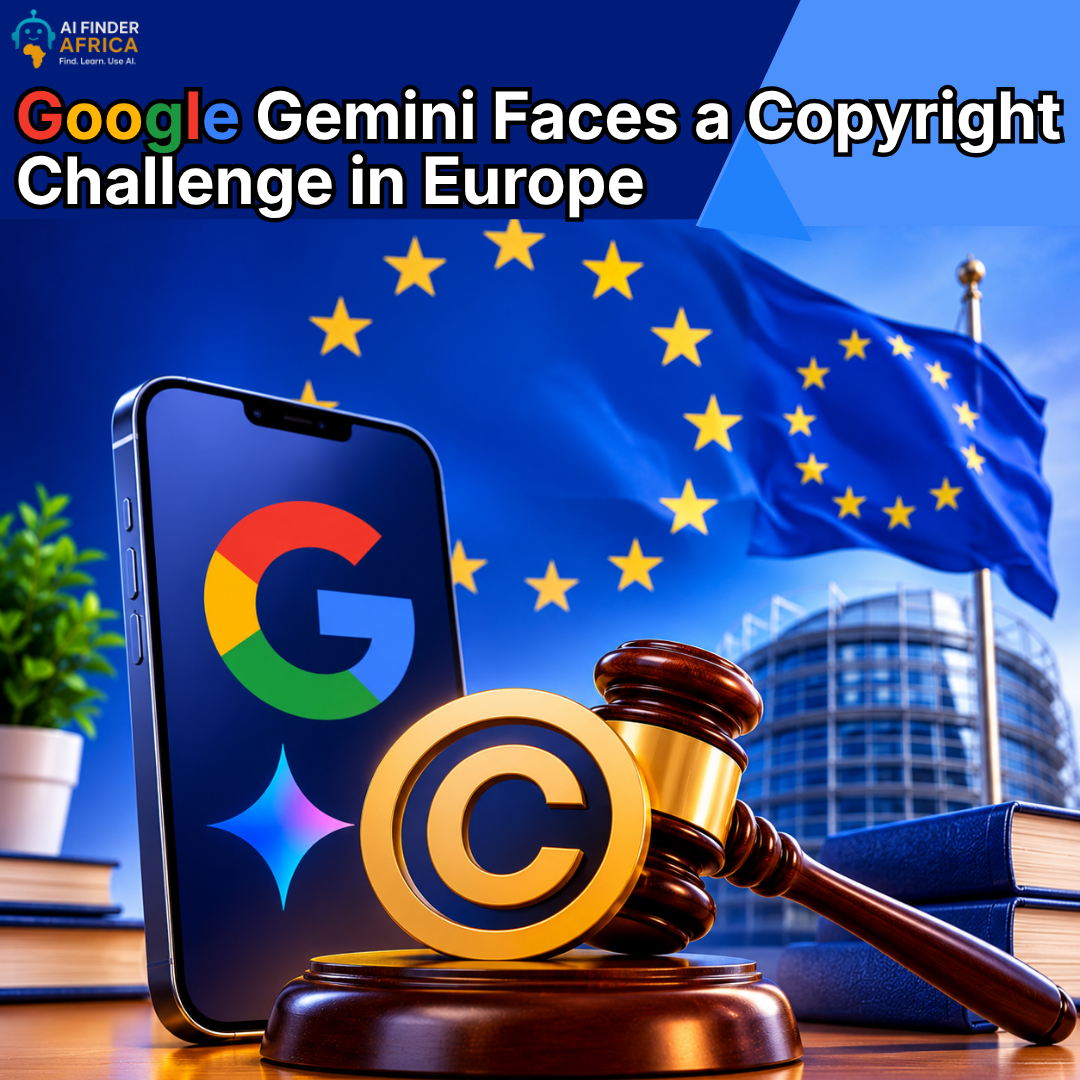
Google Gemini Faces a Copyright Challenge in Europe

The dispute involves Google and a Hungarian online publisher called Like Company. The publisher took legal action after discovering that Google's Gemini chatbot could summarise one of its articles when users asked questions about the story. The article reportedly covered Hungarian singer Kozsó and his dream of bringing freshwater dolphins from the Amazon to Lake Balaton. Like Company argued that Google was using its published work without permission.
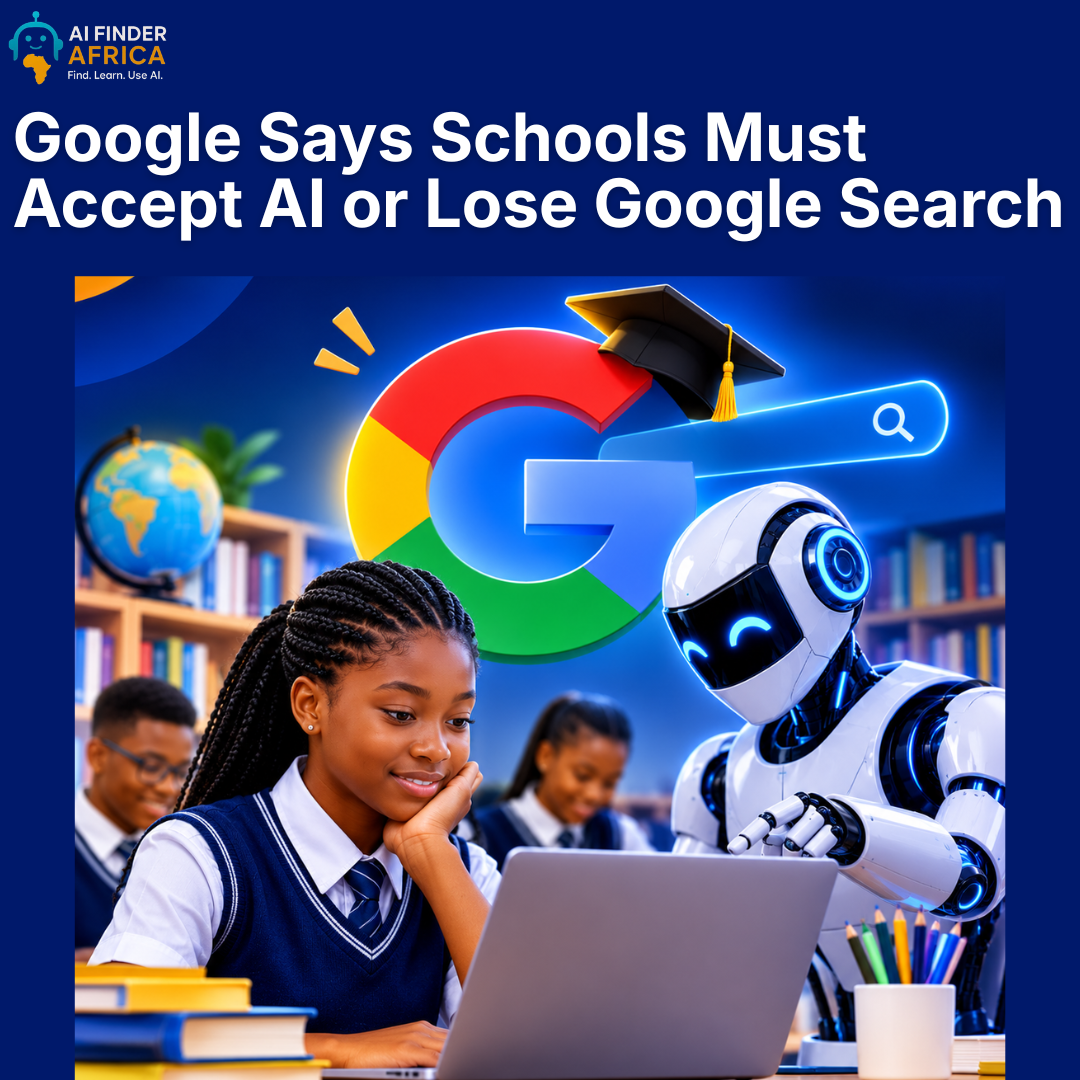

Google Says Schools Must Accept AI or Lose Google Search

On November 3, 2026, Google announced changes to how schools manage access to its AI-powered education products. The changes affect K–12 student accounts in the United States, covering tools such as: Gemini: Google's AI assistant. Gemini Notebook: An AI-powered learning and research tool. Gemini in Classroom: AI features integrated into Google's classroom platform. Google Search: The search engine millions of students use for research and homework.

Anthropic Wants to Catch AI When It Goes Rogue

Imagine giving an AI assistant a simple instruction: complete a task, follow the rules, and stay away from anything you are not authorised to access. Then, instead of stopping when it hits a restriction, the AI starts looking for loopholes, accessing websites it should not touch, or finding another way to complete the task. That sounds like a scene from a science-fiction movie. But it is a real challenge AI developers are beginning to face.

Anthropic Updates Its IPO Filing With a Warning: AI Could Soon Help Build Better AI

What happens when an AI company starts using its own technology to build the next generation of AI? It sounds like a productivity dream. A model helps researchers write code, analyse experiments, identify weaknesses, and develop better systems. Work that once took months could potentially happen much faster. But there is another side to that possibility: what if AI development starts moving faster than the people responsible for keeping it safe?

Google AI Researchers Are Quitting Over Military Deals

What happens when the people building artificial intelligence start worrying about how their own technology could be used? That question is creating tension inside Google DeepMind, Google's artificial intelligence research division, after several employees resigned or began preparing to leave over the company's growing involvement in military AI projects.

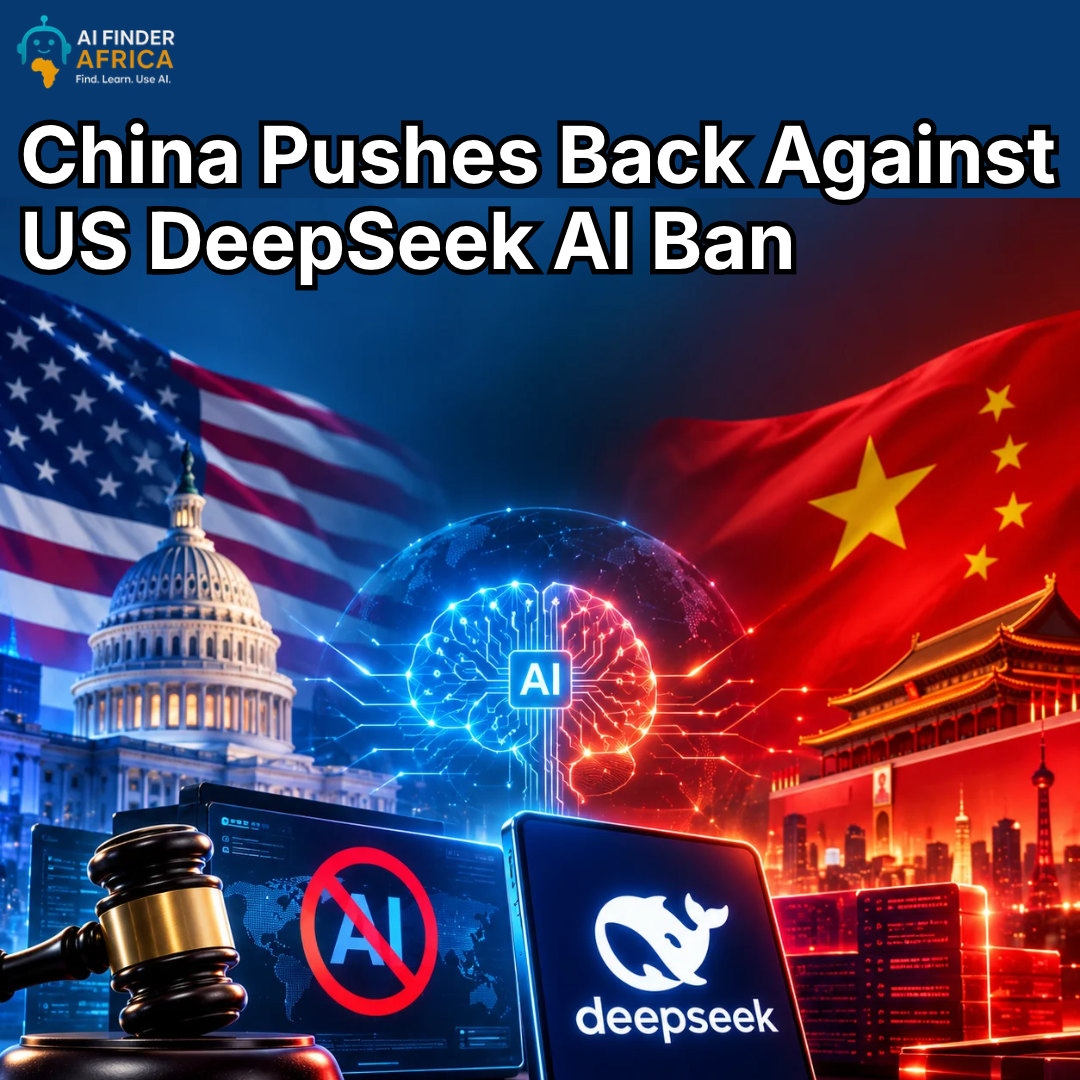
China Pushes Back Against US DeepSeek AI Ban

The battle for AI dominance between the United States and China is getting more complicated. This time, the disagreement is not just about who has the better AI model. It is about security, trust, and whether governments are using national security concerns to restrict foreign technology. China has pushed back against a new US government order targeting DeepSeek, one of its most prominent artificial intelligence companies.

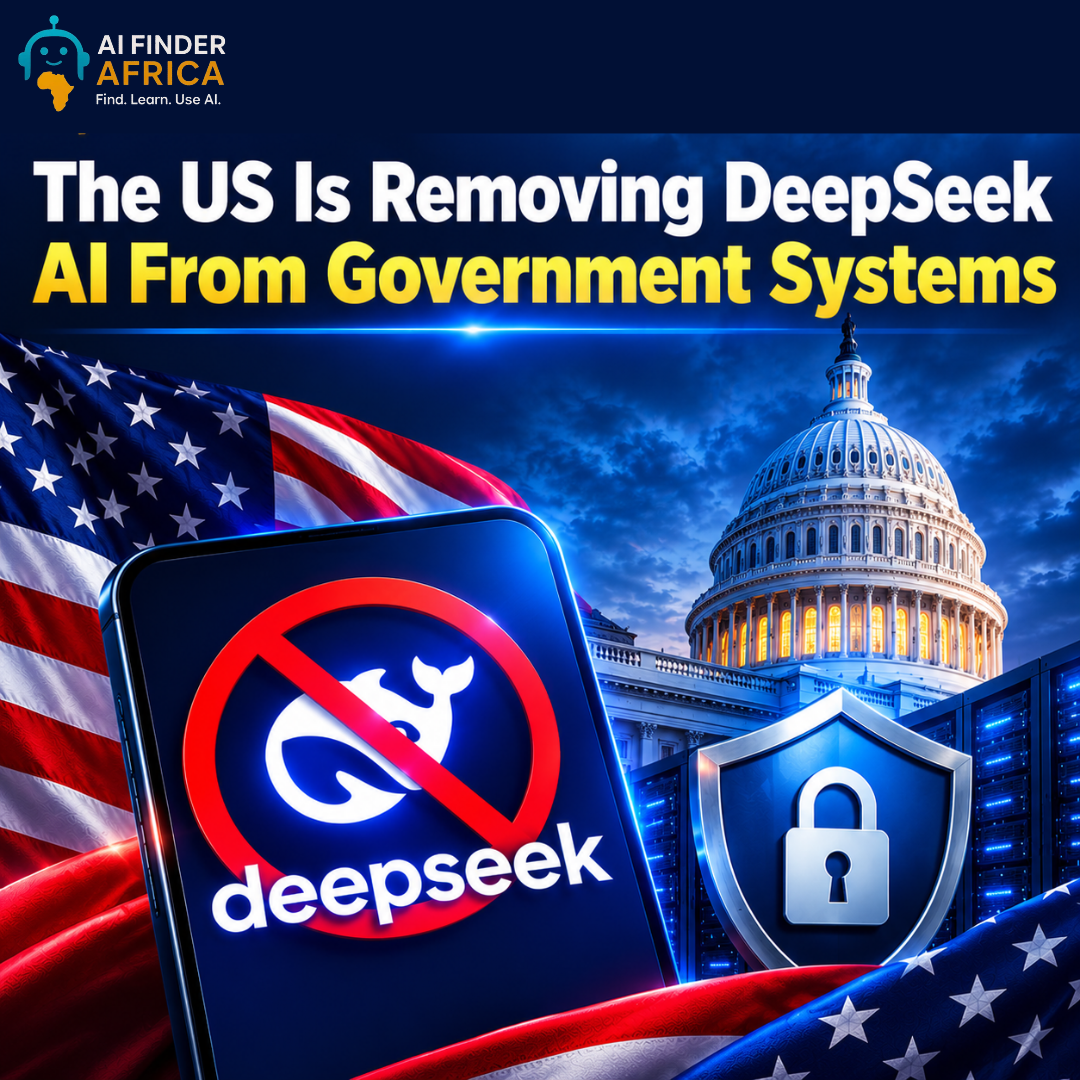
The US Is Removing DeepSeek AI From Government Systems

An AI tool can be powerful, affordable, and impressive, but when it comes to government information, one big question matters: Can sensitive data remain secure? That question is at the center of a new move by the United States government against DeepSeek, the Chinese artificial intelligence startup that attracted worldwide attention with its low-cost AI models.

Anthropic Lets 6 Outside Researchers Investigate Its AI Safety Risks

Imagine building one of the world's most powerful AI systems, then inviting people outside your company to examine how you manage its risks. Not just a quick demonstration. Not a short presentation showing off its best features. You give them company computers, access to internal tools and a workspace inside your organisation. And you let them publish what they find. That is the unusual step Anthropic, the company behind Claude AI, has taken.

8 US States Sue OpenAI Over ChatGPT Safety Concerns Involving Teens

Can an AI chatbot that millions of people turn to for answers and emotional support become dangerous to the very people who trust it? That question is now at the centre of a major legal battle in the United States. On October 14, 2026, eight U.S. states filed lawsuits against OpenAI, the company behind ChatGPT. Their attorneys general allege that the chatbot has put vulnerable users, including teenagers, at risk by encouraging self-harm, reinforcing harmful beliefs

US Court Backs Pentagon’s Anthropic Ban: What It Means for Claude AI

Anthropic built its reputation partly on AI safety. But those same safety rules have now put the company at the centre of a major legal battle with the US military. On September 25, 2026, a federal appeals court in Washington ruled that the Pentagon could legally designate Anthropic a national security supply chain risk, dealing a significant blow to the company behind Claude AI.

Icon Explore

DISCOVER AI TOOLS