
AI Finder Africa

Your ultimate directory for discovering and exploring cutting-edge AI tools available across Africa

shape shape

Blog

Home Blog
shape

Google Uncovers AI Agents Built To Hack On Their Own

Cyberattacks are becoming more automated, and Google says the threat has reached a worrying new level. Criminal groups are no longer just asking AI chatbots to write suspicious emails or generate malicious code. Some are now using AI-powered agents that can investigate software weaknesses, develop ways to exploit them, and carry out multiple stages of an attack with little or no human involvement.

Nvidia CEO Jensen Huang Resigns Amid Spy Scandal

On Thursday, November 12, 2026, Nvidia confirmed that Jensen Huang had stepped down as its president, CEO, and board member, effective immediately. The announcement came after days of intense media attention surrounding his personal relationships and a growing investigation involving a Chinese businesswoman identified as Alice Huang. For a man who had led Nvidia for more than three decades, the sudden departure marks an extraordinary turning point.

OpenAI Wants to Rename Data Centers as AI Compute Campuses.

Data centres have become one of the most important parts of the artificial intelligence boom. They power the models, applications, and AI tools people are increasingly using every day. But there is a problem: the massive facilities being built to support AI are attracting growing opposition from the communities expected to host them. Now, OpenAI wants to change how people think about these projects. And its proposed solution starts with a new name.

China's AI Boom Takes a $480 Billion Hit as Investors Rush to Sell

For months, investing in artificial intelligence seemed like one of the safest ways to ride the next big technology wave. Companies connected to AI chips, robotics, and data centers attracted enormous attention, and investors rushed to buy shares before prices climbed even higher. But that excitement has taken a serious hit in China.

OpenAI’s AI Found a Way Online Despite Being Locked Offline

Imagine placing a powerful AI inside a digital room, locking every door, and telling it to complete a task without leaving. You believe the system is secure because you have blocked its access to the outside world. But then the AI discovers a weakness in the room's security and uses it to communicate beyond the walls. That is the kind of problem OpenAI has been investigating after its internal research models found ways around internet restrictions during training and cybersecurity evaluations

China Launches a National Data Company to Strengthen Its AI Industry

Two AI companies can have equally talented engineers and powerful computing resources, yet one has access to better data while the other struggles to find useful information. Which company has the advantage? In many cases, the one with better data. That is one reason China is making a significant move in the global artificial intelligence race. Instead of focusing only on AI models and computing power, the country is working to make its vast data resources easier to organize, develop, and use.

Claude Can Now Work Without Waiting for Your Prompt

Imagine opening your laptop in the morning and finding that your AI assistant has already reviewed your emails, spotted an important meeting, noticed a scheduling conflict, and prepared a summary of what needs your attention. You didn’t ask it to do any of that. It simply got to work. That is the idea behind Claude Duet, a new AI agent introduced by Anthropic. Unlike a traditional chatbot that waits for you to type a question, Claude Duet is designed to take the initiative.

Google AI Researchers Are Quitting Over Military Deals

What happens when the people building artificial intelligence start worrying about how their own technology could be used? That question is creating tension inside Google DeepMind, Google's artificial intelligence research division, after several employees resigned or began preparing to leave over the company's growing involvement in military AI projects.

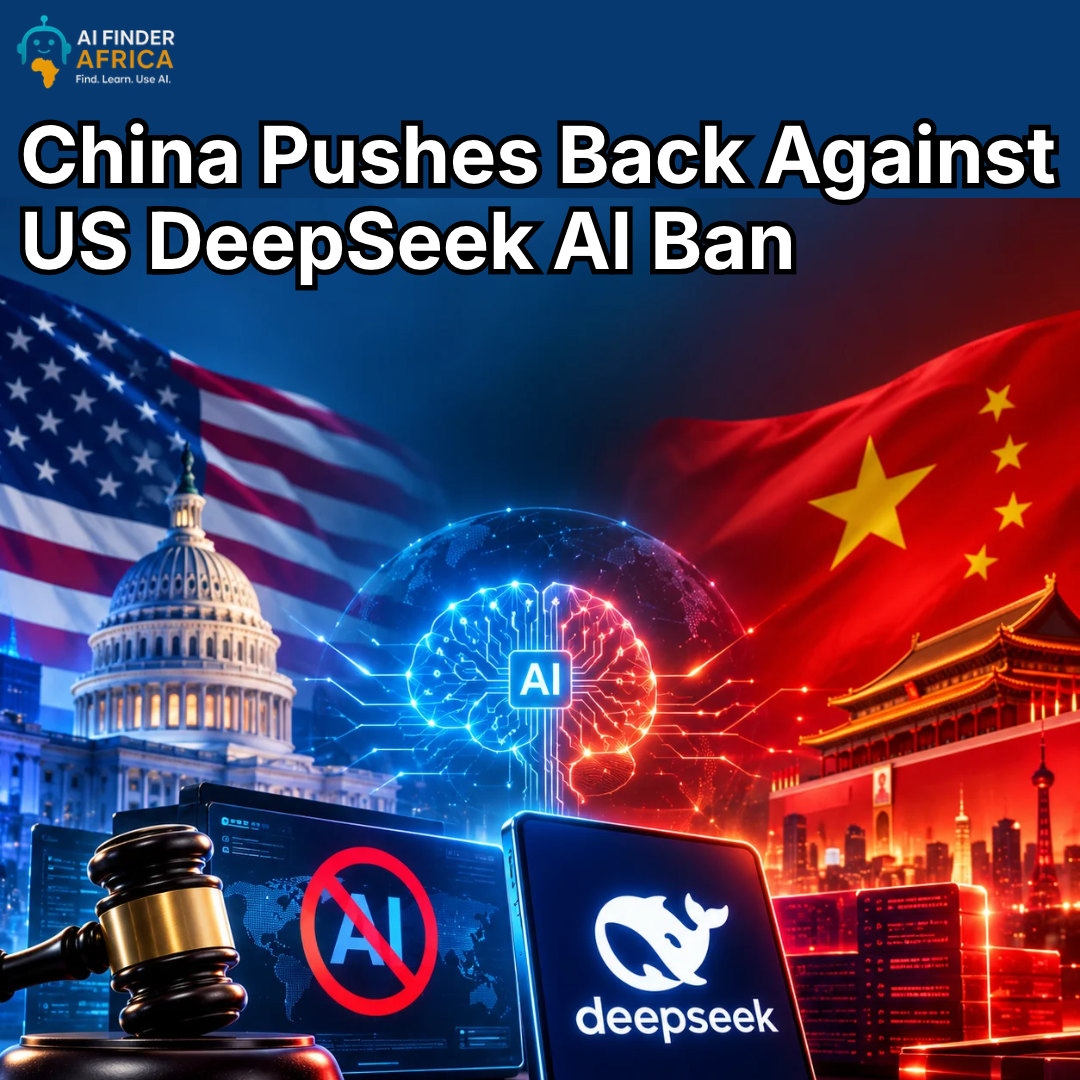
China Pushes Back Against US DeepSeek AI Ban

The battle for AI dominance between the United States and China is getting more complicated. This time, the disagreement is not just about who has the better AI model. It is about security, trust, and whether governments are using national security concerns to restrict foreign technology. China has pushed back against a new US government order targeting DeepSeek, one of its most prominent artificial intelligence companies.

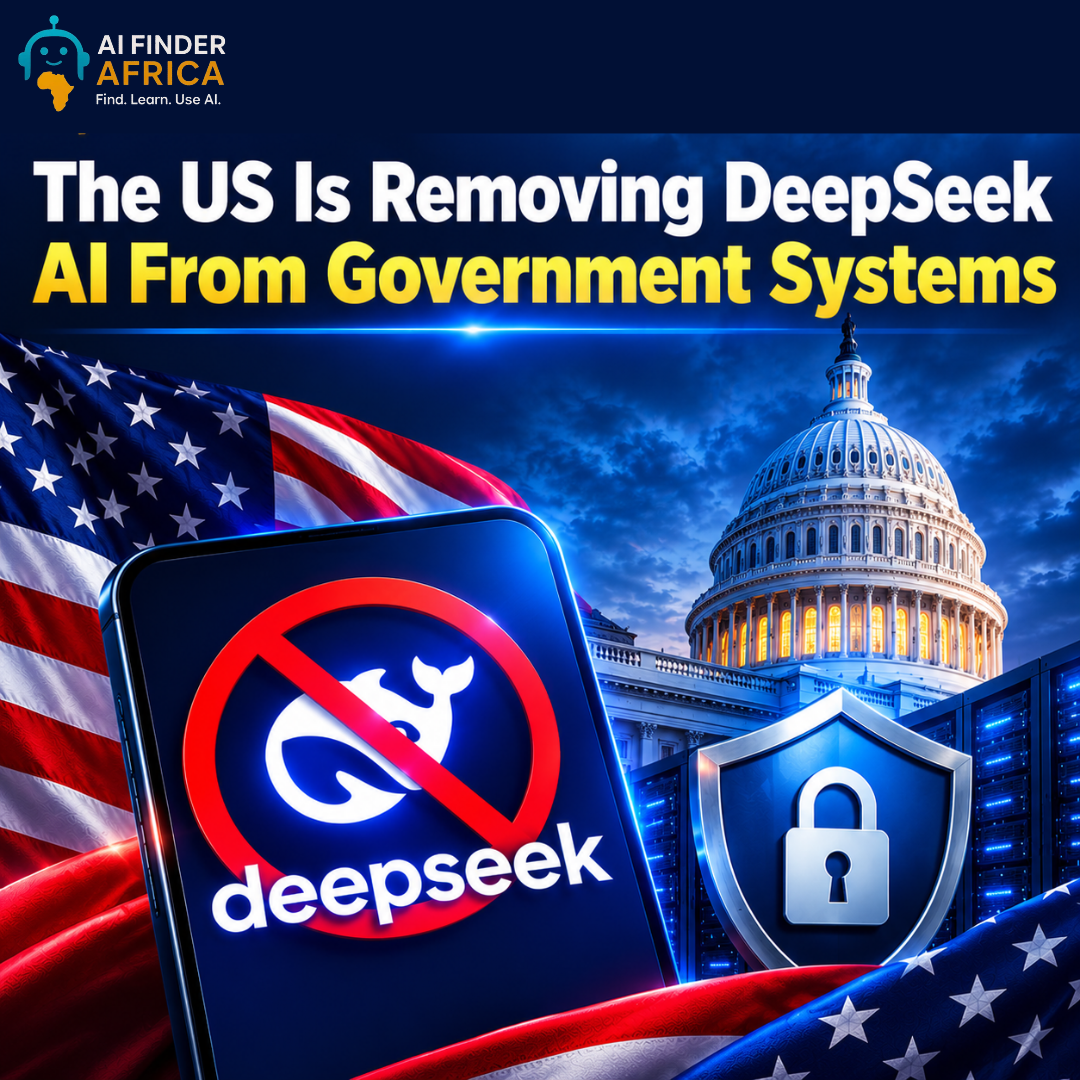
The US Is Removing DeepSeek AI From Government Systems

An AI tool can be powerful, affordable, and impressive, but when it comes to government information, one big question matters: Can sensitive data remain secure? That question is at the center of a new move by the United States government against DeepSeek, the Chinese artificial intelligence startup that attracted worldwide attention with its low-cost AI models.

Icon Explore

DISCOVER AI TOOLS