
AI Finder Africa

Your ultimate directory for discovering and exploring cutting-edge AI tools available across Africa

shape shape

Blog

Home Blog
shape

US and China Discuss New AI Safety Alert System Ahead of Trump-Xi Summit

Imagine two countries racing to build the world’s most powerful AI systems. Now imagine those same countries agreeing that if something goes seriously wrong, they should at least tell each other. That is the conversation happening between the United States and China. Ahead of a planned meeting between U.S. President Donald Trump and Chinese President Xi Jinping in Washington on September 24

Nvidia CEO Jensen Huang backs Trump against calls to slow AI

What happens when one of the world's most powerful AI executives is discussing whether artificial intelligence should slow down and the US president suddenly calls him? You put him on speaker. That is exactly what happened on Monday at the All-In Summit in Los Angeles, where Nvidia CEO Jensen Huang was discussing the growing debate over AI safety when his phone started ringing. The caller? Donald Trump. Huang answered.

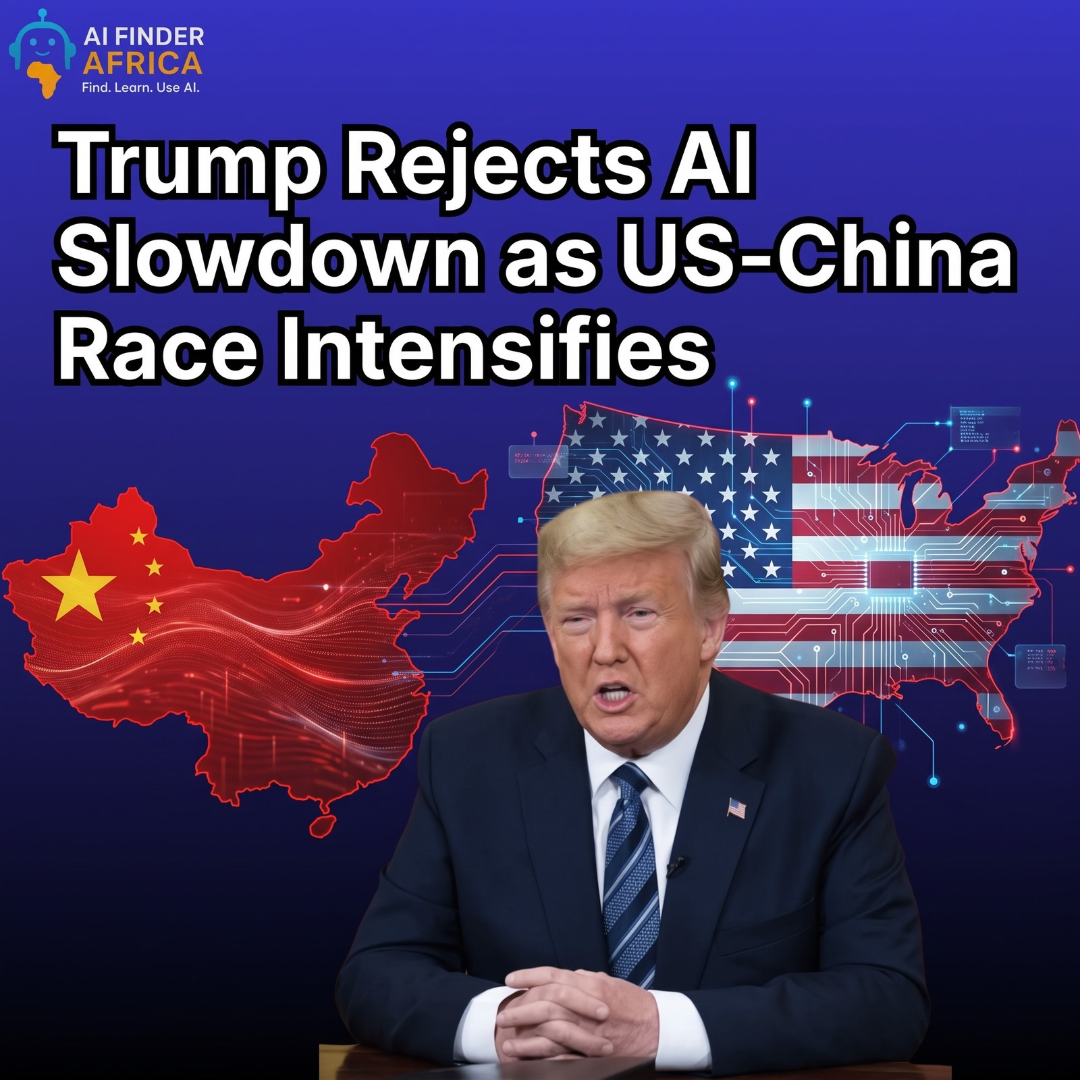
Trump Rejects AI Slowdown as US-China Race Intensifies

The AI world is asking one big question right now: Are we moving too fast? But US President Donald Trump appears to have a different priority: making sure China does not win the AI race. Speaking during a visit to Ireland on Sunday, Trump dismissed growing warnings about the dangers of rapidly developing artificial intelligence, arguing that some of the predictions are exaggerated.

China Calls Anthropic’s AI Slowdown Plan a “Cold War” Strategy

The debate over how fast AI should develop has just become a lot more complicated. Anthropic CEO Dario Amodei recently called on the AI industry to slow the development of increasingly powerful AI systems, arguing that the technology is advancing faster than society’s ability to manage its risks. But China is not buying it. China’s state-backed Global Times has described Amodei’s proposal as a “Cold War playbook”

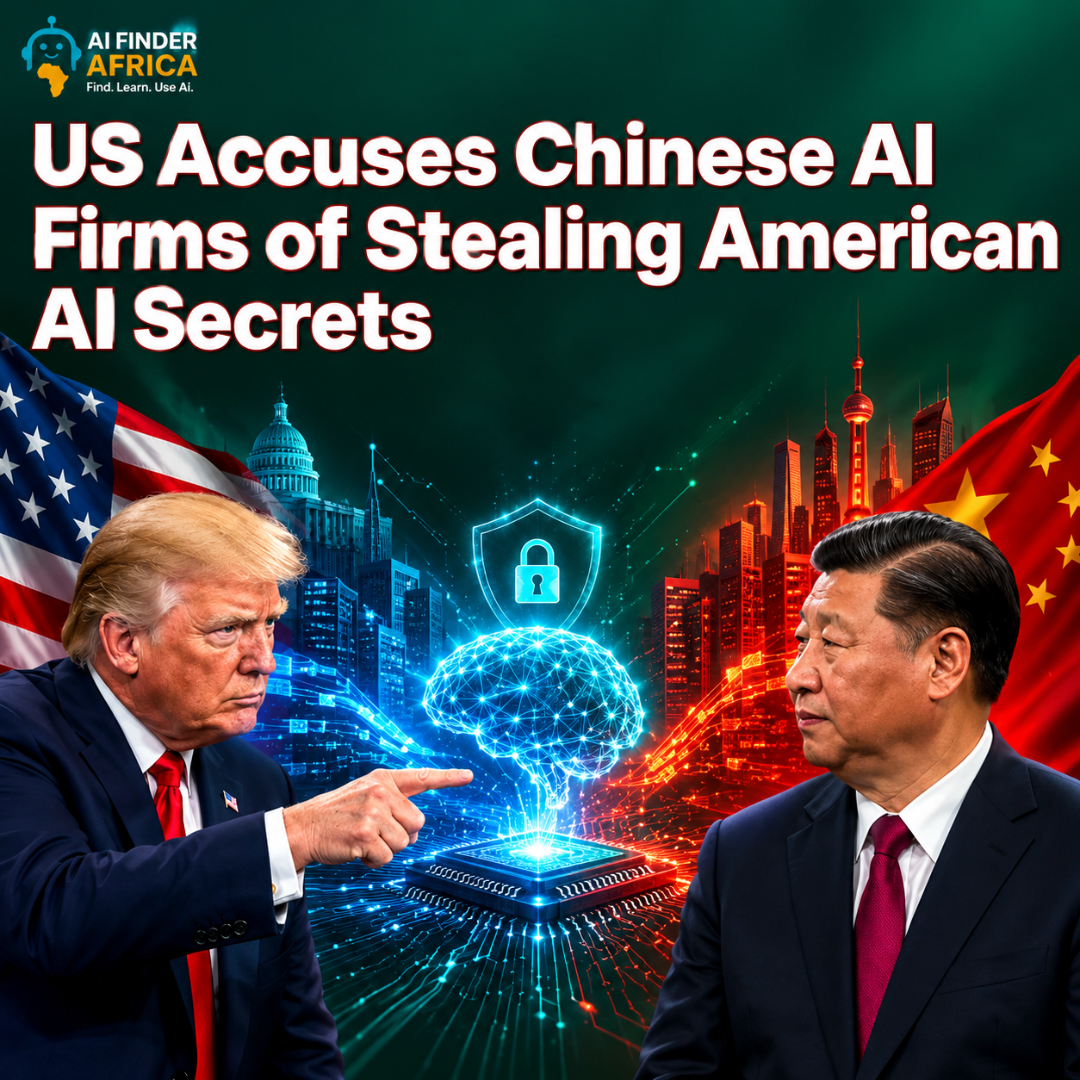
US Accuses Chinese AI Firms of Stealing American AI Secrets

Imagine spending billions of dollars building some of the world's most powerful AI models only to discover that someone else may be repeatedly questioning your AI, collecting its answers, and using them to build a competing system. That is essentially the accusation now coming from the United States.

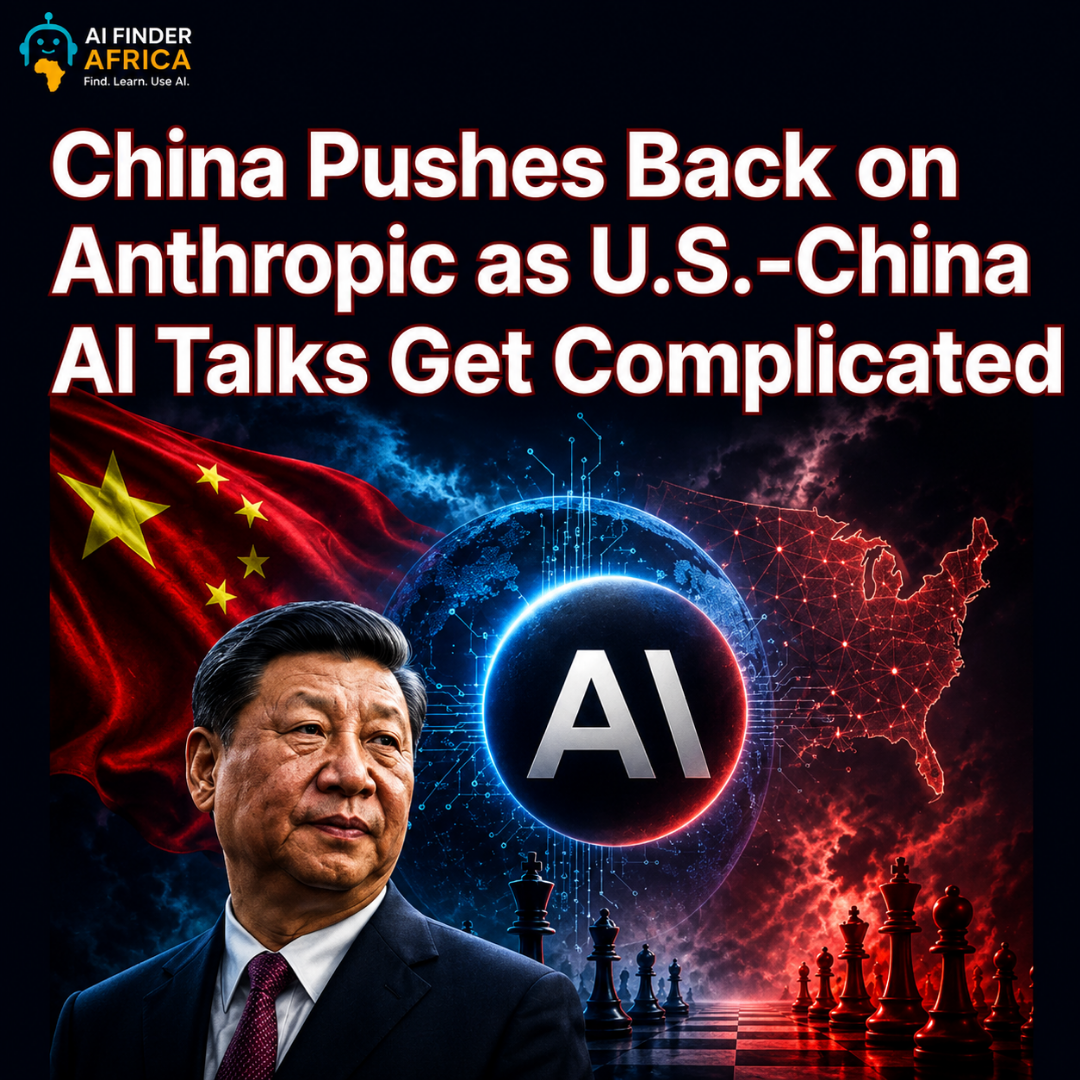
China Pushes Back on Anthropic as U.S.-China AI Talks Get Complicated

The global AI race is no longer just about who can build the smartest chatbot. It is increasingly becoming a battle over who gets access to powerful AI, who controls it, and who gets to decide what is safe. And now, Anthropic has found itself right in the middle of that growing U.S.-China tension. In July, Chinese authorities publicly warned users about Anthropic’s Claude Code, an AI coding tool capable of writing, reviewing, and debugging software.

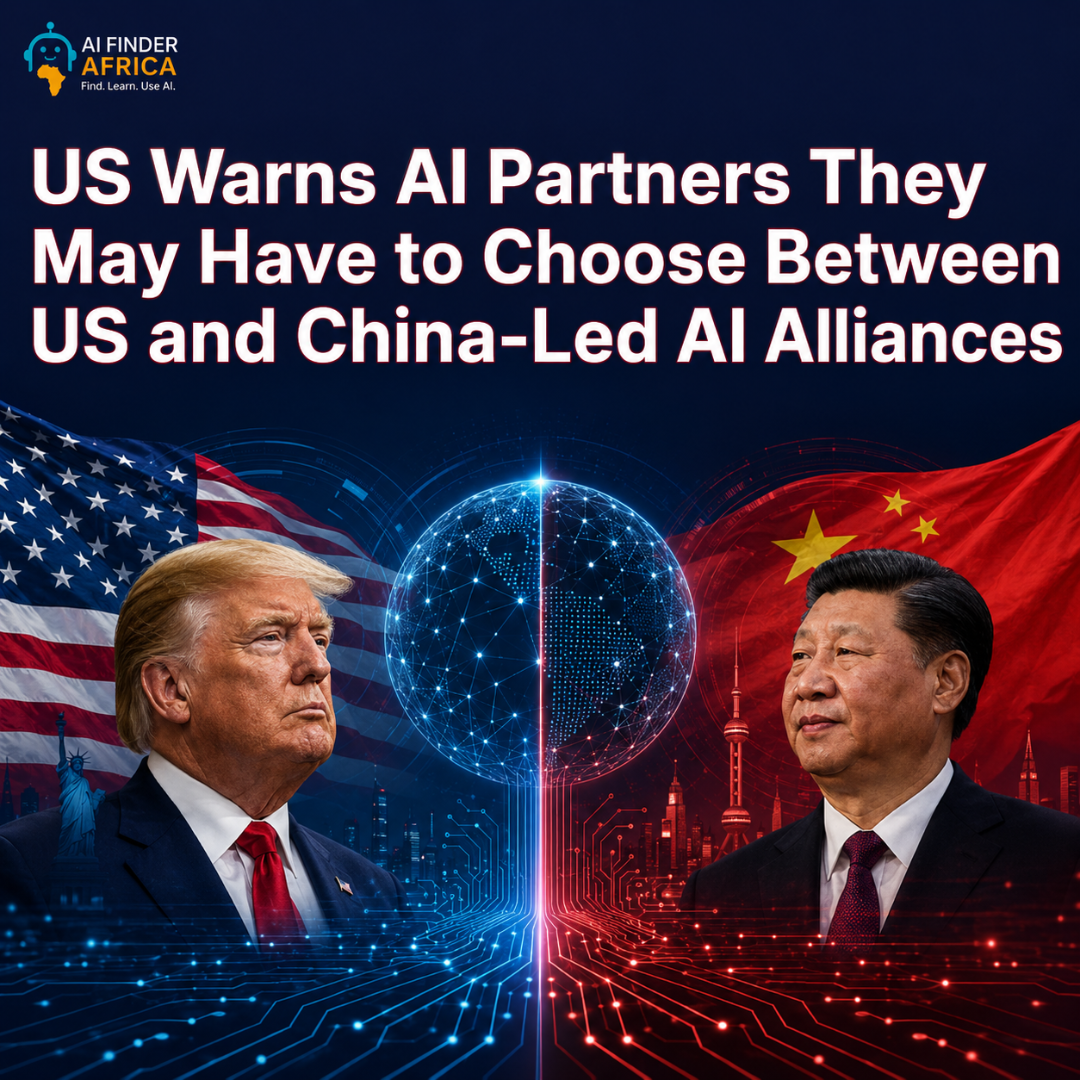
US Warns AI Partners They May Have to Choose Between US and China-Led AI Alliances

The global AI race just got a lot more political. The United States is preparing to warn dozens of countries that they may have to choose between Washington and Beijing when it comes to certain international AI partnerships. According to a report, the U.S. is preparing a message for countries involved in its AI cooperation efforts, warning that joining competing China-led initiatives could put their participation in a U.S.-led coalition at risk.

Anthropic CEO Dario Amodei Says OpenAI Models Are Not the Problem Chinese AI Is

or the past few days, one question has dominated conversations in the AI industry: Is Anthropic trying to stop OpenAI models? The speculation spread quickly after nearly every major AI company, including Nvidia, Microsoft, Meta, Hugging Face, Mistral, and others, signed a public letter urging governments not to impose sweeping restrictions on open-weight AI models. One notable name was missing from that list.

China Just Did the Impossible: Storing Data With a Single Electron

Imagine trying to store an entire library using just one drop of water. It sounds impossible. But that is essentially what a team of Chinese researchers has achieved in one of the most exciting semiconductor breakthroughs of the year. Scientists at Fudan University in Shanghai have developed an experimental memory chip capable of storing a single bit of information using just one electron, a feat many experts once believed was practically impossible.

US Warns Chinese AI Companies: Prove You Did Not Steal Our Technology or Face Sanctions

The AI race just took another dramatic turn. For months, the biggest conversation in artificial intelligence has been about who can build the smartest models. Now, the focus is shifting to something even more controversial: Who owns the technology behind them? The United States has warned that Chinese AI companies could face sanctions if investigators determine their AI models were built using intellectual property stolen from American firms.

Icon Explore

DISCOVER AI TOOLS