“You Can Now Talk Your Way Through Blender?” Claude Just Changed Creative Work Forever.
It used to be simple. If you wanted to design a 3D scene, edit a video, or build something in Blender, you needed skill, time, and a lot of patience. Now?
There’s a quiet shift happening in Nigeria’s business space, and if you blink, you might miss it. For years, companies have been testing artificial intelligence. Running small pilots. Trying out tools. Watching from the sidelines.
What if the future of healthcare isn’t just about better hospitals… but better predictions? That’s the question Abdulazeez Alabi, a Nigerian biostatistician, is helping the world answer, and the results are turning heads in global health circles.
It starts like something out of a sci-fi movie… but it’s real. Imagine holding a small device in your hand. Inside it?
Imagine running a news platform. Your stories are still relevant. People are still searching for information. The world hasn’t suddenly stopped caring about news. But your traffic?
Most AI tools today feel like assistants. You ask. They answer. Done. But what if an AI didn’t stop there?
While most people were busy using ChatGPT for writing and coding, something major just happened in the background. OpenAI has rolled out ChatGPT Images 2.0, a new and significantly improved image generation model that’s already being integrated across the platform.
At first, it looked like a win. Faster development. Smarter systems. Engineers shipping code at record speed. Then came the reality check.
Imagine logging into a simple AI tool to speed up your work… Now imagine that same tool becoming the backdoor into one of the biggest developer platforms in the world.
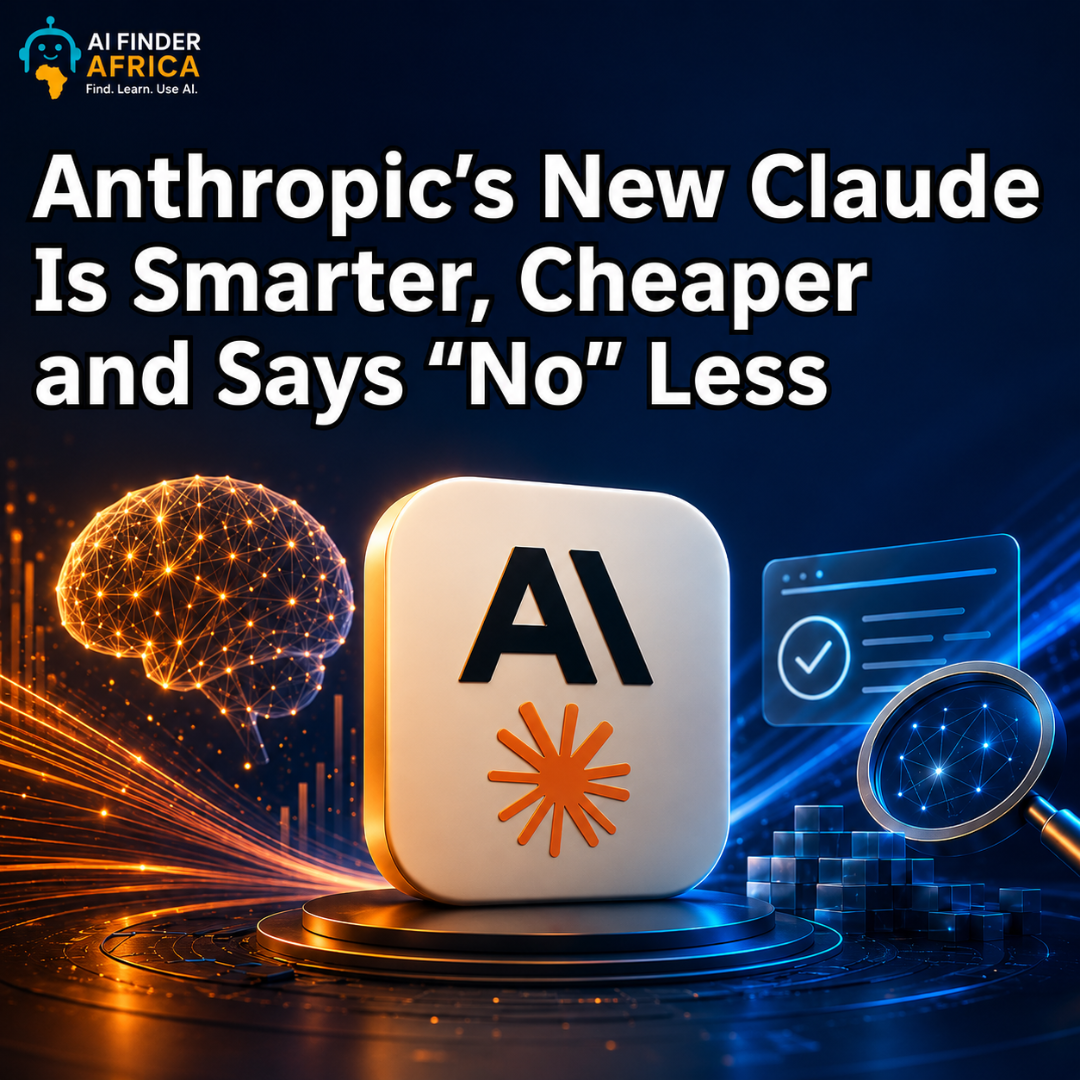
Let’s be honest, most AI tools help you work. This one? It feels like it’s trying to do the whole job with you. Anthropic just introduced something people are calling “Claude for designers”, and within hours, the internet was flooded with people turning plain text into real, interactive products.