Apple Is Upgrading Siri—And It Might End ChatGPT’s Reign on iPhones
For a company known for control, Apple Inc. is about to do something unexpected. It’s loosening its grip. And it’s all happening with Siri.

Stop guessing which AI tool to use. Join AI Africa to discover tested AI tools, save your favourites, and use AI with a smile!
Free Account Ends Soon!
Access verified and curated tools
Bookmark tools for quick access
Get notified about new tools


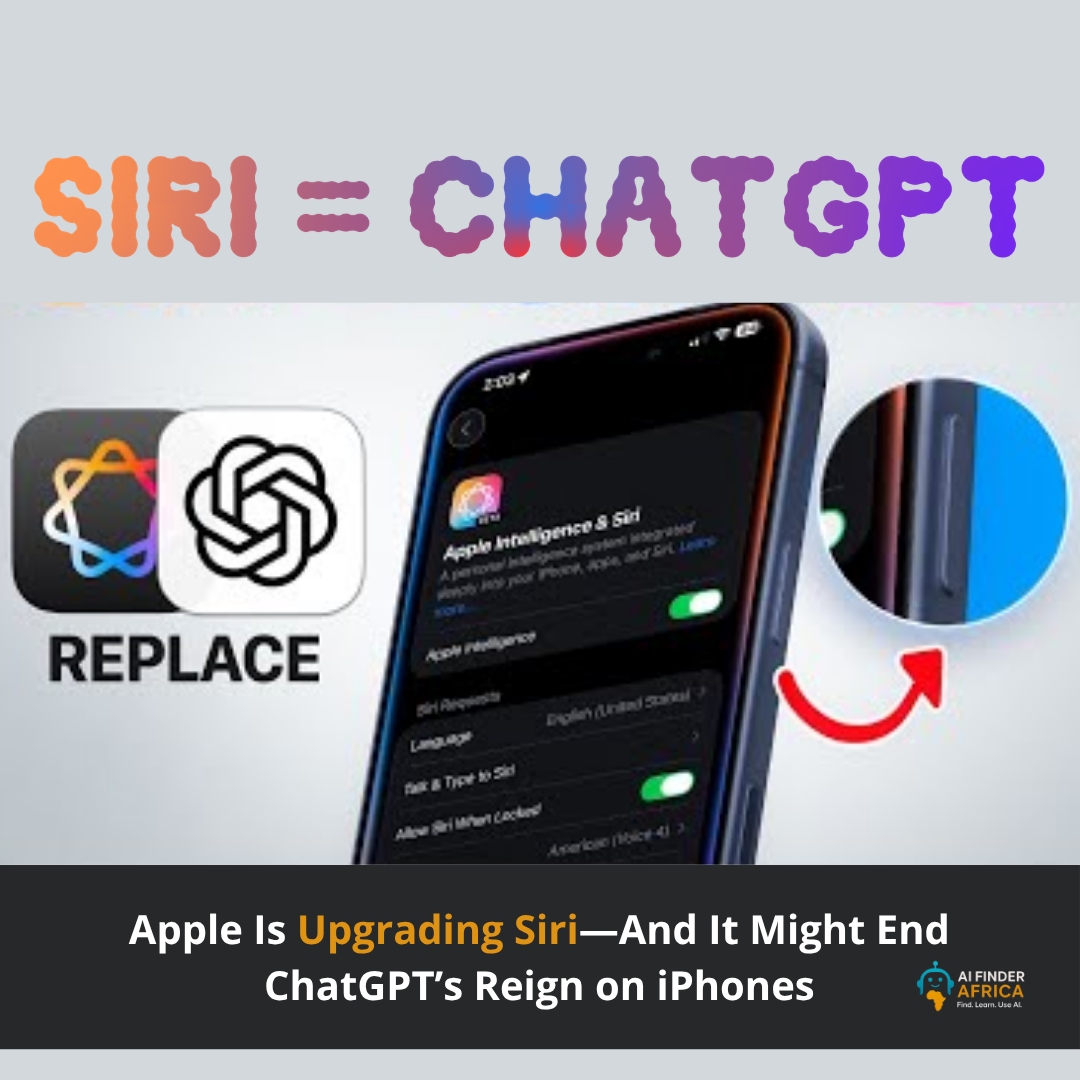
For a company known for control, Apple Inc. is about to do something unexpected. It’s loosening its grip. And it’s all happening with Siri.

It was supposed to be a big win. A fast-rising AI startup. A multi-billion-dollar exit. And one of the biggest tech companies in the world, Meta writing the cheque. But now? The story has taken a sharp, almost cinematic turn.

There’s a pattern in today’s AI boom: big promises, flashy demos, and tools that feel… familiar. But somewhere in Lagos, a startup is taking a very different path. Grace AI Lab isn’t trying to be the loudest voice in the room. Instead, it’s focused on building something far more ambitious: autonomous digital workers. AI systems that don’t just respond to prompts but can actually carry out complex tasks, make decisions, and deliver real outcomes with minimal supervision.
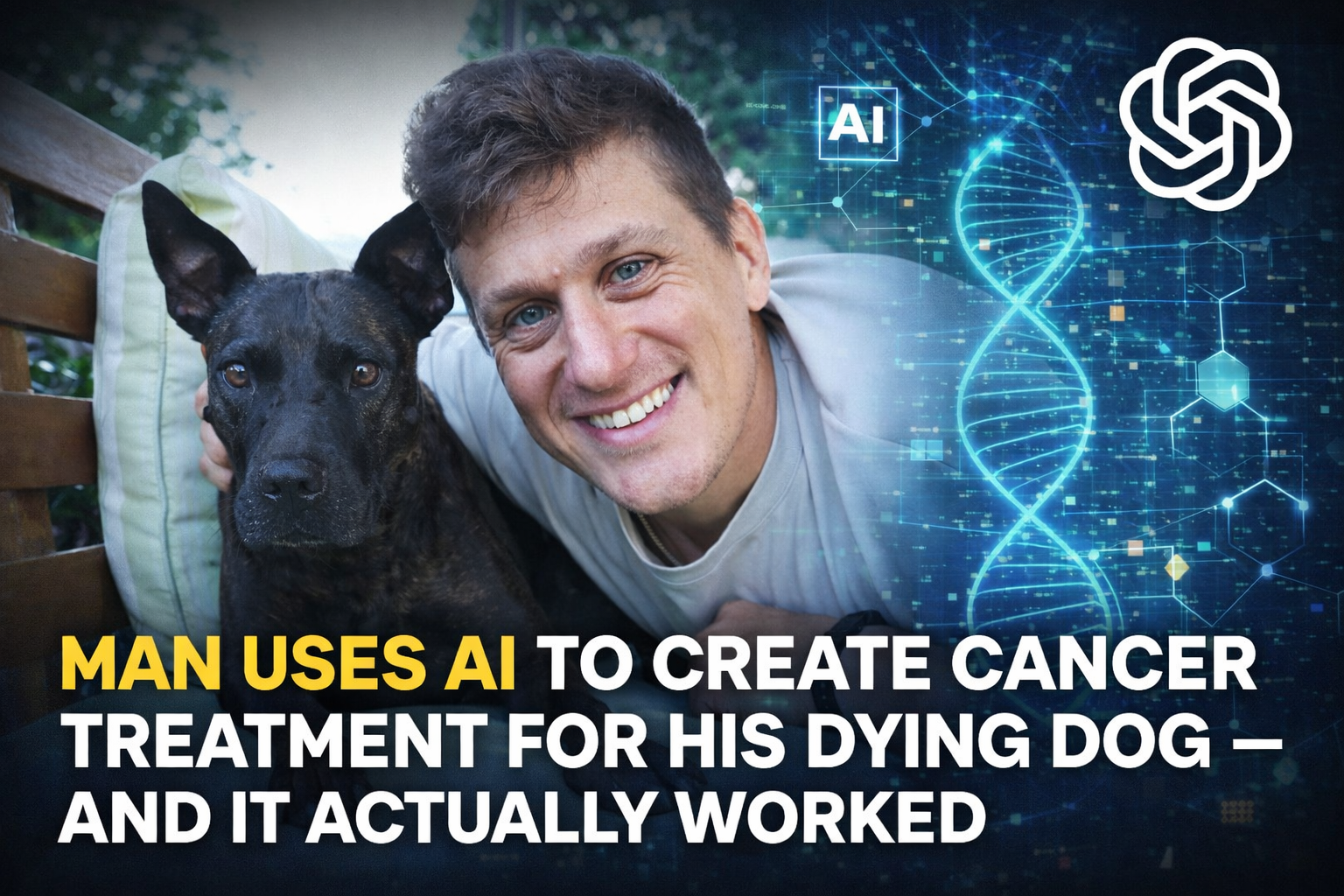
It sounds like something straight out of a movie. A man. His dying dog. And an unexpected partner: AI. But this story is real, and it’s quietly becoming one of the most talked-about examples of what artificial intelligence can actually do in the real world.

Nigeria’s next presidential election is scheduled for January 16, 2027. But according to tech and democracy experts, the real campaign may have already begun, and it’s happening online. Not at rallies. Not on billboards. But inside algorithms, data systems, and artificial intelligence tools are quietly shaping what millions of Nigerians see on the internet every day.

Something big is changing inside Nigeria’s financial system. For years, banks and fintech companies have relied heavily on manual processes and basic monitoring tools to track suspicious financial activity. But as digital banking, instant payments, and fintech platforms continue to grow, financial crime has also become faster, smarter, and harder to detect.
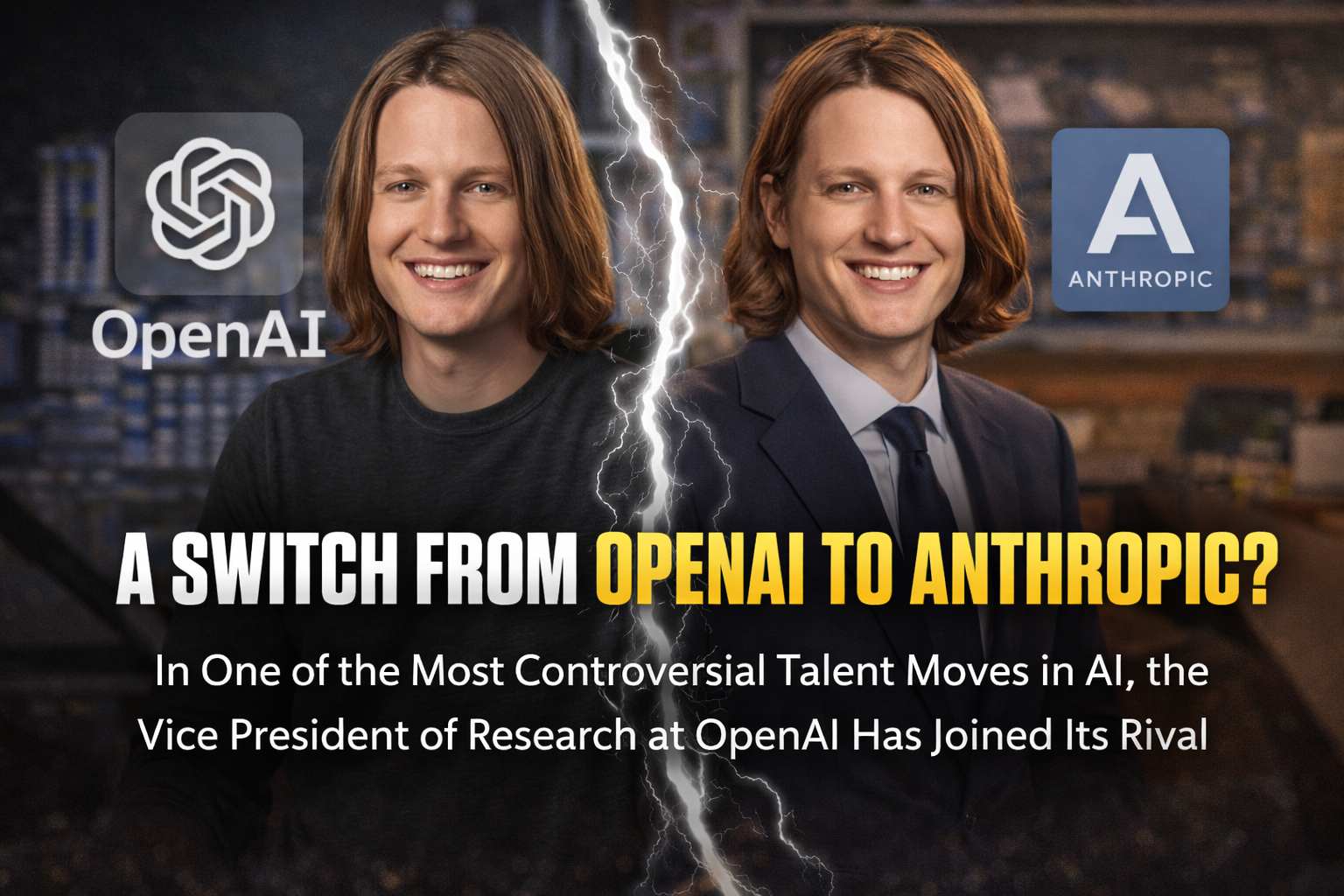
In the world of artificial intelligence, new models and flashy product launches usually steal the spotlight. But sometimes, the biggest story isn’t a new AI tool; it is the people building them. That’s exactly what’s happening now.

Imagine building one of the most powerful artificial intelligence systems in the world, only to find yourself in a courtroom battle with the U.S. government. That’s exactly what’s happening right now with Anthropic, the fast-rising AI company behind the chatbot Claude.
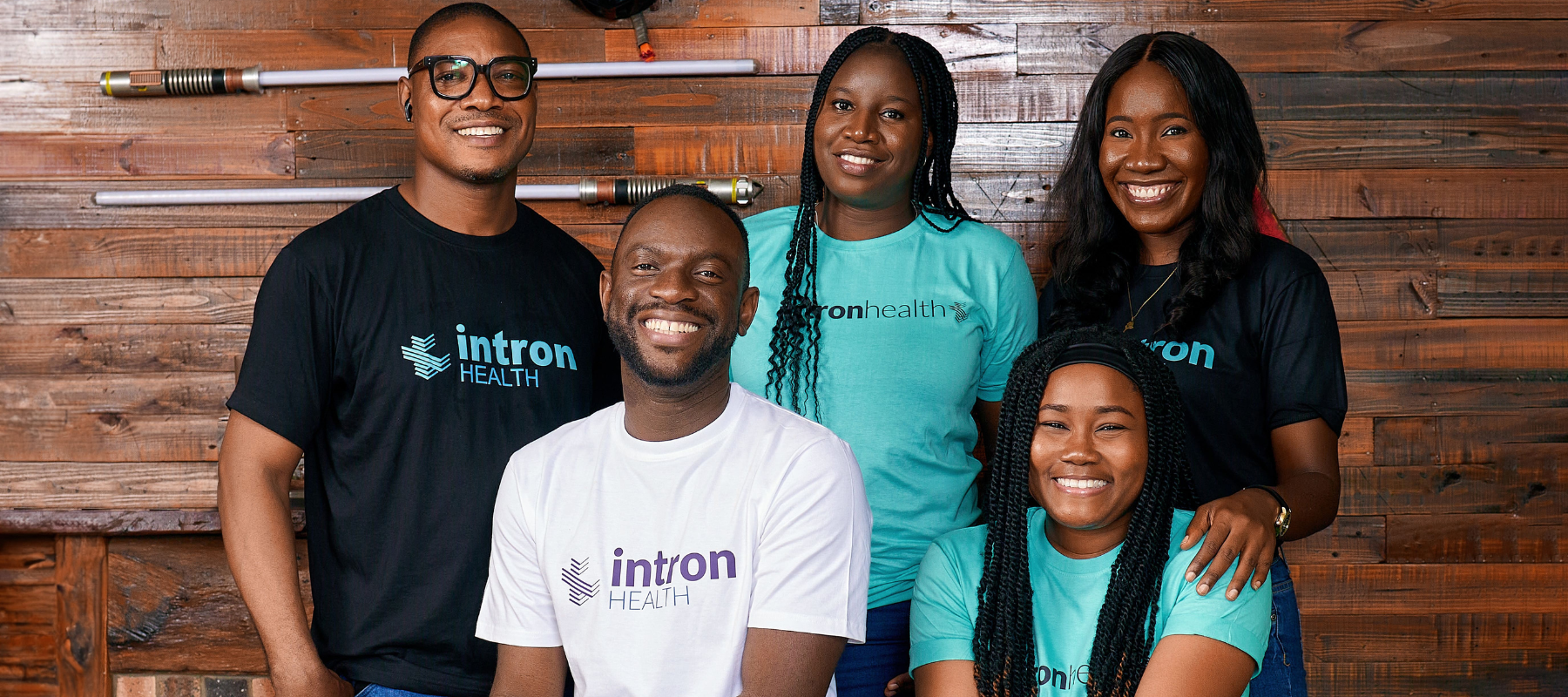
Imagine trying to talk to a voice assistant in Yoruba. Or Swahili. Or Igbo. You ask a question… but the AI responds with confusion. It mishears your name, struggles with your accent, and completely fails when you switch between languages mid-sentence. For millions of Africans, that experience is still common. Most voice technologies were built using American or European speech data, which means they often struggle with African accents, names, and languages.

Imagine wearing a pair of futuristic smart glasses. You tap the frame, record a quick video, ask the glasses to describe what’s in front of you, or translate a sign in another language. Everything feels seamless, like the artificial intelligence inside the device understands the world instantly.
 Explore